Affordable Sneakers vs Premium Brands: What You Actually Need
Affordable sneakers cost Ksh 2,500-5,000 while premium brands like Nike, Adidas, and Timberland range Ksh 10,000-12,000+. Premium shoes offer superior materials, durability lasting 18+ months versus 3-5 months, and better comfort, but budget options suit occasional wear. Cost-per-wear analysis often favors quality footwear for daily users in Nairobi and beyond.
See everything Jojo Shoes can do for you.
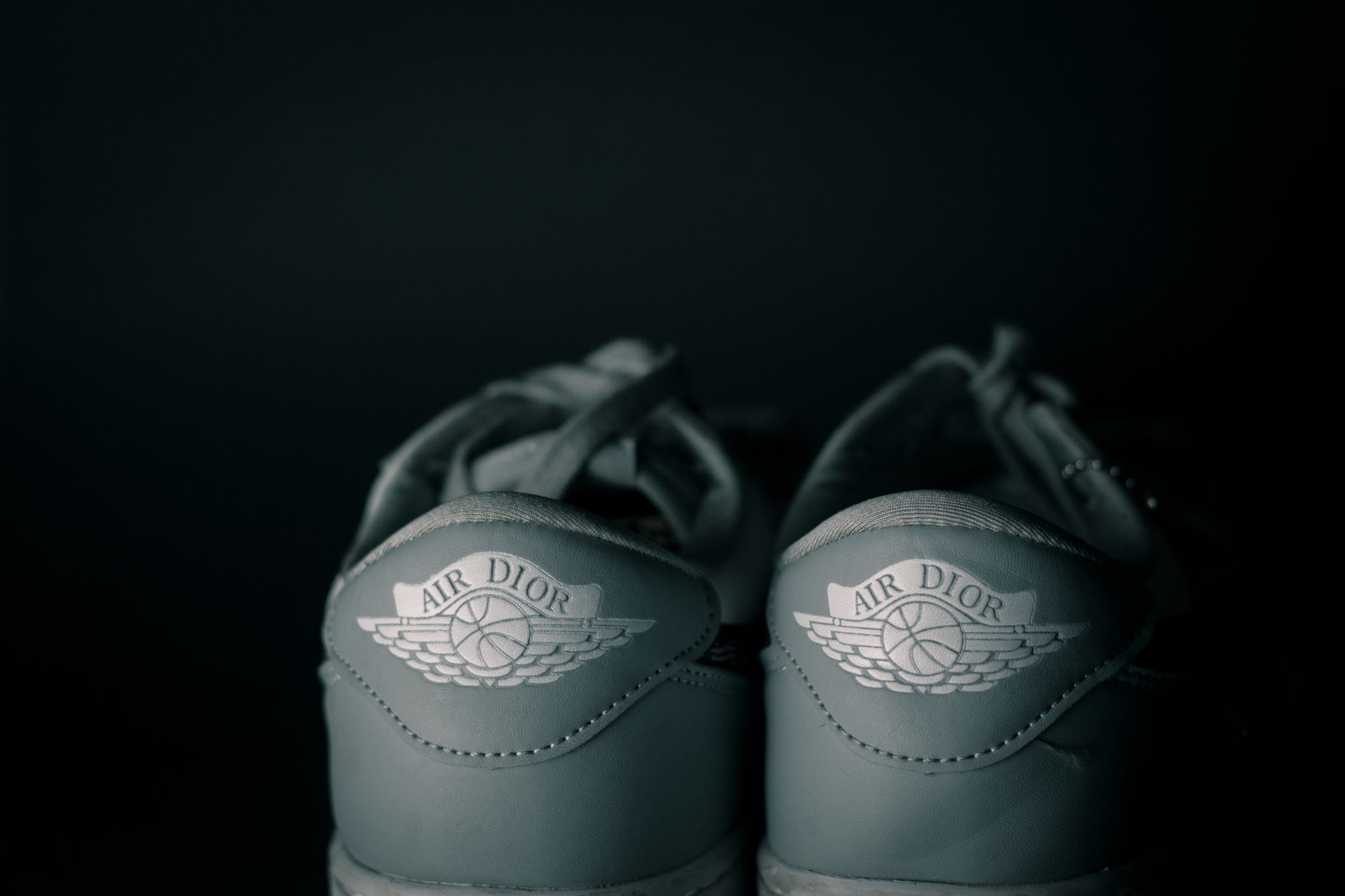
If you've ever stood between two pairs of shoes and genuinely wondered whether the expensive one is worth it, you're asking exactly the right question. One pair sits at Ksh 2,500 and the other at Ksh 12,000, and that gap is real money for most Kenyan households. The honest answer is that it depends entirely on what you're buying the shoe for, how often you'll wear it, and what your feet actually need. This post breaks down the real differences so you can spend your money where it counts and save it where it doesn't.
Why Kenyans Often Choose Between Budget and Premium
In Kenya, the gap between a budget sneaker and a premium brand pair can be anywhere from Ksh 3,000 to over Ksh 15,000 depending on the model and where you buy. That's not a small difference for most households, and it means the decision carries real weight. A pair of Nike Air Jordans or Timberland boots sits at a very different price point from a local market sneaker, and the question of whether that gap is justified comes up constantly. Many shoppers make the call based on gut feeling rather than a clear understanding of what's actually driving that price. Understanding what goes into a premium shoe helps you shop with confidence rather than guessing. Once you know what you're paying for, the decision becomes much easier.
Your daily lifestyle is one of the most reliable guides to which tier makes sense for you. Someone commuting from Roysambu to the CBD on foot every weekday has completely different shoe needs compared to someone who drives and wears sneakers mainly over the weekend. If you're on your feet for eight or more hours a day, the shoe you choose is doing serious work, and that changes the value calculation significantly. The midsole, the outsole grip, and the upper material all absorb more stress when a shoe is worn intensively. A casual wearer can get away with a lot more flexibility in what they spend. Your lifestyle is the first filter to apply before you even look at a price tag.
A common misconception is that premium prices are mostly about the logo. In reality, brands like Nike, Adidas, and New Balance invest heavily in materials research, sole engineering, and fit testing that genuinely affects how the shoe performs and lasts. That said, you are also partly paying for the brand story, the design, and in some cases exclusivity. The mix of functional quality and brand value varies depending on the model and the category. Knowing which part of that premium you actually value helps you decide when to invest and when to step back. A running shoe and a fashion sneaker from the same brand can represent very different value propositions.
Build Quality: Where the Real Difference Lies
The most immediate place where affordable and premium shoes separate themselves is in the materials used. Budget sneakers frequently use synthetic uppers that crack or peel after a few months of regular wear, along with thinner foam midsoles that compress and lose their bounce quickly. Premium pairs from brands like Adidas or New Balance tend to use higher-grade mesh, leather, or engineered knit that breathes better and holds its shape longer. The outsole rubber also varies significantly, with cheaper pairs wearing down unevenly after just a few months of pavement use. Stitching quality, eyelet reinforcement, and heel counter rigidity are other details that separate a well-built shoe from one that starts falling apart under daily stress. These differences are not always visible in a product photo, which is why knowing the brand's material standards matters.
When it comes to durability expectations, the rule of thumb is roughly this: a Ksh 2,500 sneaker worn daily is likely to look worn out within three to five months, while a Ksh 10,000 pair worn the same way can last 18 months or longer with basic care. That's a meaningful difference in how often you're replacing footwear, which adds up over time. Many people buy budget shoes and end up spending more annually than they would have with one well-built pair. The replacement cycle also means more trips to find your size, more time spent deciding, and more packaging waste. Thinking about total cost over a year rather than upfront price changes the calculation entirely. This longer view is one of the most useful shifts you can make when shopping for shoes.
There is a practical way to think about this called cost per month of wear. If a Ksh 2,500 shoe lasts four months of daily use, you're spending about Ksh 625 per month. A Ksh 10,000 shoe lasting 18 months works out to roughly Ksh 555 per month. Premium shoes often win that calculation for everyday footwear, which is the exact opposite of what most people assume when they see the price tag upfront. The math only holds, though, when you're actually wearing the shoe often enough to spread that cost across many months. For occasional use, the budget shoe can still be the smarter financial choice.
Comfort and Fit: Not Always About the Price Tag
Arch support and cushioning do tend to improve with price, but the relationship is not perfectly linear. A Ksh 8,000 pair of New Balance running shoes will almost certainly offer better underfoot cushioning than a Ksh 1,500 flat-soled sneaker, but a well-designed mid-range shoe can beat a poorly designed premium one for your specific foot type. The key factors to look for are the thickness and type of midsole foam, whether the insole has any contouring, and how the heel cup is structured. These are the elements that protect you from foot fatigue during long days, regardless of what the brand label says. Paying premium for a shoe that doesn't suit your foot mechanics is money wasted, while a well-matched budget shoe can feel genuinely comfortable. The fit question matters more than the brand question for most people.
Your foot shape actually matters more than many people realise when choosing comfort. Someone with wide feet may find that Converse or New Balance fits them significantly better than a narrower-cut Nike silhouette, regardless of which costs more. People with high arches need shoes that accommodate that arch rather than compressing it. A premium shoe designed for a foot shape that doesn't match yours will be less comfortable than a budget shoe that happens to fit well. This is why reading size and fit notes carefully, and checking reviews from buyers with similar foot shapes, is so valuable. Knowing your foot type before you shop saves you from a lot of regrettable purchases.
Testing fit is genuinely harder when buying online, but there are practical steps you can take to avoid regret. Read the size notes carefully, especially for brands like Adidas and Nike where sizing can differ by half a size between silhouettes. Check whether the store has a clear return or exchange process before you order. Look at customer feedback from buyers with similar fit needs, since their experience will be far more relevant than the general product description. If a shoe runs narrow or short, regular buyers will say so clearly in their reviews. Taking ten minutes to read through that feedback before ordering can save you a round trip and a lot of frustration.
Which Shoes Earn Their Premium Price
Running and sports shoes are probably the clearest category where paying more genuinely improves your experience. Nike and Adidas invest in proprietary foam technology, like React foam or Boost cushioning, that measurably reduces impact on your joints during runs. If you're running three or more times a week, that technology protects your knees and heels over hundreds of kilometres in a way that a budget sneaker simply cannot replicate. The difference becomes more noticeable the longer your runs get and the more frequently you train. For serious runners or athletes, this is not a luxury spend because it is a functional one that protects your body. When footwear directly affects your physical health, that is exactly where a quality investment makes sense.
Work shoes and shoes worn during long shifts on your feet also justify a premium investment. A well-built Timberland boot or a structured leather shoe with a solid shank can prevent the kind of foot pain that compounds over months of daily wear. Cheap work shoes that flatten out or rub incorrectly lead to blisters, plantar fasciitis, and posture issues that cost far more to address than the shoe upgrade would have. The discomfort also affects your energy and focus throughout the day in ways that are easy to underestimate. When footwear is part of your working day, it's worth treating it as a professional tool rather than an afterthought. The cost of a bad shoe in this context is measured in aching feet and medical visits, not just money.
Fashion sneakers are a different kind of value proposition. An Air Jordan colourway or a limited Adidas release is partly a design object and partly a cultural statement, and there's nothing wrong with that if it's what you're after. The premium you pay in this category covers design, exclusivity, and the satisfaction of wearing something you love looking at. If that matters to you and your budget allows it, the value is real even if it isn't technical. What to avoid is convincing yourself you're buying for performance reasons when you're really buying for style, because that confusion tends to lead to disappointment. Be honest about why you want the shoe and you'll feel good about the decision either way.
Where Budget Sneakers Work Just Fine
Casual weekend shoes that you wear a few times a month are a completely reasonable place to save money. If a pair of clean, simple sneakers is going to sit in your wardrobe and come out for Sunday errands or a casual meetup, there's no need to put Ksh 12,000 toward it. A neat affordable option at Ksh 2,500 to Ksh 4,500 will do exactly what you need it to do and still look good for the light use it's getting. Seasonal shoes fall into this same logic: sandals for the rains or holiday slippers don't need engineering-grade soles. The key is that the shoe genuinely sees limited use, so the lower durability ceiling doesn't become a problem. Light-use shoes are where budget options deliver honest value without compromise.
Backup pairs and activity-specific shoes are another smart place to spend less. A dedicated pair of gym shoes that you only use indoors on a treadmill or weight floor won't face the same wear as a street shoe. A pair of knock-around shoes you wear to the car wash, the market, or the farm doesn't need to last three years. Having a budget pair for these situations means your premium pairs stay cleaner and last longer, which is actually the smarter overall strategy. You protect your investment by rotating it correctly rather than putting all the wear on one expensive pair. Budget shoes used intentionally in the right context are a genuinely smart choice.
Kids' shoes deserve their own mention because the economics are completely different. A child can outgrow a shoe size in as little as three to six months, especially between ages four and ten. Spending heavily on a child's shoe that they'll outgrow before it wears out rarely makes sense unless there's a specific medical or support reason. Durable but affordable options that fit well and support the foot adequately are the practical choice for most families. The exception is if a child has a structural foot issue that a podiatrist has flagged, in which case the right support matters more than the price. For healthy feet in fast-growing kids, a well-fitting affordable shoe is exactly what the situation calls for.
Your Smart Shopping Strategy at Jojo Shoes
The most effective approach is to mix premium and budget rather than committing to one philosophy across the board. Identify the two or three pairs you wear most often because those are the ones where investing in quality pays back in comfort, durability, and cost per month of wear. Your weekend casual pair, your gym backup, and your kids' school shoes are where you pull back and keep it sensible. This split approach gives you quality where it matters and savings where it doesn't. Most people who adopt this strategy find they spend about the same overall but feel significantly better shod day to day. It's a framework worth applying every time you're considering a new purchase.
Before you confirm any order, take a moment to check customer reviews for the specific style you're looking at. Fit feedback from real buyers who've worn the shoe is invaluable, especially for brands where sizing isn't completely consistent across models. Knowing the store's exchange process before you buy means you're not surprised if you need to swap a size. At Jojo Shoes, we want you to end up with a pair that actually fits, so checking these details upfront saves everyone time. You can also browse our full sneaker catalogue to compare options across price points before making a decision. A few minutes of research before checkout is almost always worth it.
One final consideration that changes the actual cost of shopping online is delivery. Free delivery within Nairobi means you can order a pair to try on at home without factoring shipping into the price, which brings the total closer to what you'd pay walking into a physical store. For customers outside Nairobi, countrywide shipping is available and worth factoring into your budget when comparing options. When you add up the convenience, the variety, and the real delivered price, online shopping at Jojo Shoes often comes out well ahead. Knowing your delivered price upfront also helps you make a fairer comparison between a budget pair and a premium one. Transparency in pricing is something we take seriously because it helps you make a genuinely informed choice.
The best shoe isn't always the most expensive one, and it isn't always the cheapest either. It's the one that fits your foot, suits your daily life, and gives you the most value over the time you'll actually wear it. Use this framework to guide your next purchase and you'll spend your money more confidently every time.
See everything Jojo Shoes can do for you.
Visit Jojo Shoes →