Best Nike Running Shoes for Kenyan Runners in 2024
Nike running shoes designed for Kenya's diverse terrain and climate offer breathable mesh, durable outsoles, and responsive cushioning for high-mileage training. Top models include the Pegasus 41 for daily training, Vaporfly Next% 2 for racing, and Structure 25 for overpronators. Quality footwear prevents injuries and handles Nairobi's mixed surfaces effectively.
See everything Jojo Shoes can do for you.
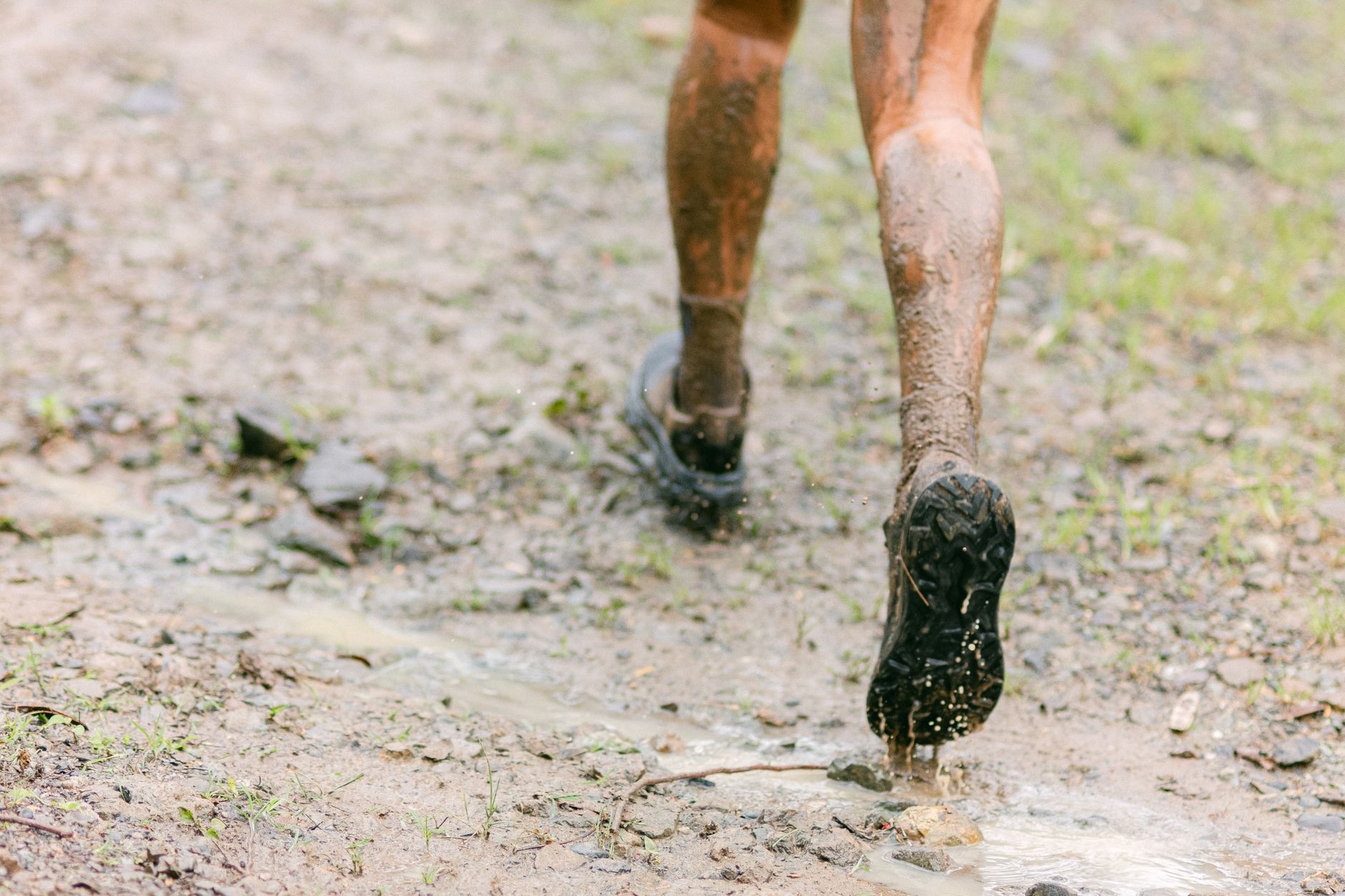
If you run regularly in Kenya, whether on Nairobi's tarmac, a red-soil path in Eldoret, or a mixed-terrain route anywhere in between, the shoes on your feet matter more than most people realise. Choosing the right pair means understanding both your body and your environment. This guide walks you through the best Nike running shoes Kenya has to offer right now, so you can train harder and race smarter in 2024.
This article is part of our complete guide: Trending Shoes for Men in Kenya.
Best Nike Running Shoes Kenya: What Makes Nike Running Shoes Right for Kenya
Kenya's climate shifts between hot, humid afternoons and cooler highland mornings, and a shoe that traps heat quickly becomes uncomfortable. Nike's breathable mesh uppers and moisture-wicking linings move sweat away from the foot, keeping you cooler during those midday training sessions in Nairobi or Thika. That breathability is not just a comfort feature; it actively reduces blisters and hotspots that build up on long runs. When you are logging 15 kilometres or more, foot temperature genuinely affects your performance. A shoe built for airflow is one of the smartest investments a Kenyan runner can make.
The terrain variation in Kenya is remarkable, covering city pavements, murram roads, and everything in between. Nike designs its outsoles with multi-directional lugs and durable rubber compounds that grip across these mixed surfaces without wearing out quickly. This versatility is especially useful if your weekly schedule moves you from a Nairobi road run on Monday to a trail route on Saturday. You do not need a separate road shoe and trail shoe for most of your training; one well-chosen Nike model can handle both. That adaptability saves money and simplifies your gear setup considerably.
Cushioning is a topic that Kenyan runners often underestimate until an injury forces the conversation. Kenya's running culture, particularly among distance runners, involves high weekly mileage, sometimes exceeding 100 kilometres for serious athletes. That volume puts enormous repetitive stress on joints, and a well-cushioned midsole absorbs impact that would otherwise travel up through the knees and hips. Nike's foam technologies, including React and ZoomX, are engineered specifically to return energy while softening each landing. Over a full training cycle, that difference adds up in a very meaningful way.
Durability ties everything else together, because a shoe that breaks down after 300 kilometres is simply not built for how Kenyan runners train. Red soil is abrasive, and Nairobi's potholes and uneven curbs stress outsoles in ways that smooth European roads do not. Nike's upper stitching and rubber compound placement are designed with high-mileage runners in mind, giving most performance models a lifespan of 600 to 800 kilometres before they need replacing. Buying a durable shoe is genuinely more economical in the long run than replacing a cheaper pair every few months. It also means your shoe performs consistently throughout its life, not just in the first few weeks.
Nike Running Shoes for Long Distance Training
The Nike Pegasus 41 is arguably the most popular daily trainer in Nike's lineup, and for good reason. It is lightweight enough that you do not feel dragged down on easy recovery runs, yet it has enough React foam cushioning to carry you through a 25-kilometre long run without complaint. The engineered mesh upper fits snugly without feeling restrictive, which matters on warmer days in Nairobi when your feet swell slightly as the kilometres increase. Most runners find the Pegasus works well on both road and packed dirt, making it a genuine all-rounder. If you are only buying one training shoe, this is the model to start with.
For runners chasing marathon personal bests or incorporating serious speed work, the Nike Vaporfly Next% 2 sits in a different category entirely. It uses a ZoomX foam midsole and a full-length carbon fibre plate that creates a propulsive, forward-rolling sensation with every stride. This shoe was built for performance on race day and structured tempo sessions, not casual daily training. Athletes who have raced in it report noticeable time improvements, particularly over the second half of a marathon when fatigue typically slows pace. It is an investment, but for a competitive runner targeting a road race, it is one of the most capable tools available.
The Nike Structure 25 is the choice for runners who overpronate, meaning the foot rolls inward excessively during the gait cycle. It provides medial post support and a firmer inner midsole that guides the foot into a more neutral position with each step. This kind of structured support reduces the risk of knee pain and shin splints, which are common injuries for runners who ignore their foot strike pattern. The Structure 25 also handles daily training mileage comfortably, making it a practical option rather than just a corrective one. If a physio or running analysis has flagged your pronation, this model deserves serious consideration.
Comparing these three models side by side helps clarify which one belongs in your kit bag. The Pegasus 41 handles up to 800 kilometres and suits mixed road and light trail terrain. The Vaporfly Next% 2 is best reserved for race days and sessions under 20 kilometres, where its aggressive energy return is most beneficial. The Structure 25 is a daily workhorse for overpronators, comfortable over medium to high mileage on road and firm surfaces. Knowing where each shoe fits in your training week prevents you from using a race shoe too frequently or relying on a daily trainer when you need structured support.
Nike Models Best for Kenya's Running Conditions
The Nike Revolution 7 is the most accessible option in this entire list, sitting at a price point that makes quality Nike running footwear reachable for a wider range of Kenyan runners. It features a foam midsole and a rubber outsole with enough grip to handle both tarmac and light gravel paths without slipping. The upper is simple but breathable, which keeps it functional in warm conditions even if it lacks the premium feel of pricier models. For beginners building their first running routine or casual joggers who run two or three times a week, the Revolution 7 delivers reliable performance without overcomplicating the decision. It is a solid starting point that you can grow out of naturally as your training demands increase.
The Nike Zoom Fly 5 brings carbon plate technology to a slightly lower price tier than the Vaporfly, making fast running more accessible. It suits tempo runs, 10K races, and half-marathon distances where you want a responsive, fast-feeling shoe without committing to a full racing flat. The carbon plate provides that characteristic stiff-yet-springy sensation that encourages a faster cadence and a more efficient stride. On Nairobi's smoother road sections, this shoe genuinely rewards a runner who is working on pace development. It is not ideal for rough terrain, so reserve it for cleaner surfaces and structured sessions.
The Nike Infinity Run 4 is the model that handles the widest range of conditions, which makes it particularly well suited to Kenya's unpredictable running environment. Its React foam midsole offers plush cushioning that smooths out rough patches on both road and light trail, and the outsole transitions between surfaces without losing grip. Runners who move between Nairobi's streets and peri-urban paths during the same week find this shoe adapts without fuss. The upper wraps the foot securely, reducing the internal movement that causes blisters on longer outings. For a runner who values versatility above all else, the Infinity Run 4 is hard to beat as a primary training shoe.
Testing these models on Kenya's distinctive terrain reveals some clear patterns. The Revolution 7 handles murram and packed red soil confidently but shows wear faster on abrasive surfaces. The Zoom Fly 5's carbon plate can feel uncomfortable on highly uneven ground, so stick to tarmac when using it. The Infinity Run 4 proves the most durable across Nairobi's mixed urban surfaces and holds its cushioning properties longer than expected on red-soil routes outside the city. Understanding these real-world performance differences helps you match the right Nike shoes for long distance running to the routes you actually cover each week.
How to Choose the Right Nike Running Shoe for You
The first question to answer is how far you run and how fast you want to go. A runner doing 5-kilometre easy jogs three times a week has very different needs from someone training for a full marathon at a competitive pace. Distance and intensity determine whether you need a plush everyday trainer like the Infinity Run 4 or a performance-oriented shoe like the Vaporfly. Being honest about your current training level, not your aspirational level, helps you choose a shoe that serves you right now. You can always upgrade as your fitness and goals develop.
Understanding your foot strike pattern is the next essential step, and it is one many runners skip. If you land heavily on your heel, you need generous rear-foot cushioning. If you overpronate, you need a stability shoe like the Structure 25. If you have a neutral gait, the full Nike range is open to you. A simple way to check is to examine the wear pattern on your current shoes. Pronounced wear on the inner heel signals pronation, and addressing that with the right shoe prevents injuries before they start.
Your training surface should guide your outsole and traction choice more than any marketing description on the box. Road runners in Nairobi can prioritise responsive foam and a smooth outsole for maximum energy return on tarmac. Runners who regularly use dirt paths, trails outside the city, or Nairobi's rougher side streets need a more aggressive grip pattern and a durable rubber compound. Many Kenyan runners actually need a shoe that handles both, which is where the Infinity Run 4 and the Pegasus 41 prove their worth. Think about where 80 percent of your weekly kilometres happen, and let that surface drive your decision.
Kenya's weather adds one more layer to the decision that runners in cooler climates rarely think about. Heat and humidity cause the foot to swell over the course of a long run, and a shoe that fits perfectly in the morning can feel tight by kilometre 20. Prioritise uppers with open mesh construction and avoid heavily padded or waterproof linings that trap heat during warm-weather training. The breathability features in Nike's Flyknit and engineered mesh uppers are genuinely designed for this problem. Comfort in the heat is not a luxury consideration for Kenyan runners; it is a performance factor.
Sizing and Fit Tips When Ordering Online
Nike running shoes typically run about half a size smaller than Nike's casual sneakers and lifestyle footwear. If you normally wear a size 43 in Air Force 1s or classic Converse, start by trying a 43.5 or even a 44 in a running model. This difference exists because running shoes are cut closer to the foot for a secure, performance-oriented fit. Ordering without accounting for this difference is one of the most common sizing mistakes customers make when buying online. A little research before checkout saves you the hassle of an exchange.
Toe room is more important in a running shoe than most people realise, particularly for long-distance runs in Kenya's warm conditions. The general rule is to leave about a thumb's width of space between your longest toe and the end of the shoe. On longer runs, feet swell due to heat and impact, and a shoe that fits perfectly at rest can pinch uncomfortably by kilometre 15. Getting that extra space built in from the start prevents black toenails, blisters, and the kind of foot discomfort that forces you to cut a run short. It is a small detail with a significant impact on your training consistency.
Before you confirm your order at Jojo Shoes, take a moment to consult our size guide, which covers each Nike model specifically rather than offering generic measurements. Different Nike running lines have slightly different lasts, meaning the Shape of the shoe's interior varies from model to model. The Pegasus, for instance, has a slightly wider forefoot than the Vaporfly, which suits runners with broader feet. Having model-specific sizing information at your fingertips makes the online ordering process much more reliable. We update those guides regularly to reflect the current season's stock.
Our free countrywide delivery policy means that if your sizing is slightly off, exchanging or returning your pair is straightforward and does not cost you extra. We process exchanges efficiently so you are not left waiting weeks for your replacement pair to arrive. Most customers in Nairobi receive their orders within one to two business days, and regional deliveries across Kenya typically arrive within three to five days. That fast turnaround matters when you have a race or training block approaching and need your shoes quickly. We want you running in the right pair, not sitting at home waiting.
Where to Buy Nike Running Shoes in Kenya
Jojo Shoes stocks a current selection of Nike running models, updated regularly to reflect the latest releases from Nike's performance and lifestyle running lines. Our pricing is competitive and reflects the real cost of quality running footwear without unnecessary markups. You can browse the full catalogue on our online store, which is organised by running type, distance category, and specific features like stability, cushioning level, and terrain suitability. That filtering makes it easy to find the best Nike running shoes Kenya has available for your specific training needs without scrolling through dozens of unrelated products. We keep stock levels accurate so what you see is what we can ship.
Delivery within Nairobi is free, and we offer affordable shipping rates to all other counties across Kenya. Whether you are ordering from Mombasa, Kisumu, Nakuru, or a smaller town, we ship your shoes directly to your location through a reliable courier network. Nairobi customers often receive same-day or next-day delivery depending on when the order is placed. We know that runners plan their training schedules in advance, and getting your shoes on time is part of that plan. Our fulfilment process is built around making sure your order arrives when you need it.
Ordering through our online store is designed to be as simple and secure as possible, with multiple payment options available including M-Pesa, which most Kenyan customers prefer for its convenience and security. You can browse, select your size, pay, and track your delivery without needing an account, though creating one makes future orders faster. Our customer service team is reachable if you have any questions about a specific model, sizing, or availability before you commit to a purchase. We are based in Roysambu and know the Nairobi running scene well, so the advice we give is grounded in local knowledge rather than generic international guidance. We want your buying experience to be as smooth as your next training run.
Finding the right Nike running shoe transforms your training in ways that are immediately noticeable, from how your legs feel at the end of a long run to how confidently you handle Nairobi's unpredictable surfaces. The models covered here cover every type of Kenyan runner, from the beginner finding their stride to the experienced marathoner hunting a personal best. Browse our current Nike stock, use our size guides, and place your order with confidence knowing delivery is fast, affordable, and backed by our straightforward returns process.
See everything Jojo Shoes can do for you.
Visit Jojo Shoes →