Break In Formal Shoes Men: 7 Ways to Avoid Blisters Fast
New dress shoes hurt because the materials have not yet shaped themselves to your foot, but you can speed that process up without damaging the leather or your heels. This post walks you through seven methods that reduce friction and soften shoes from the first wear. If you are shopping for formal shoes that fit well from the start, knowing where to buy quality pairs makes all the difference.
See everything Jojo Shoes can do for you.
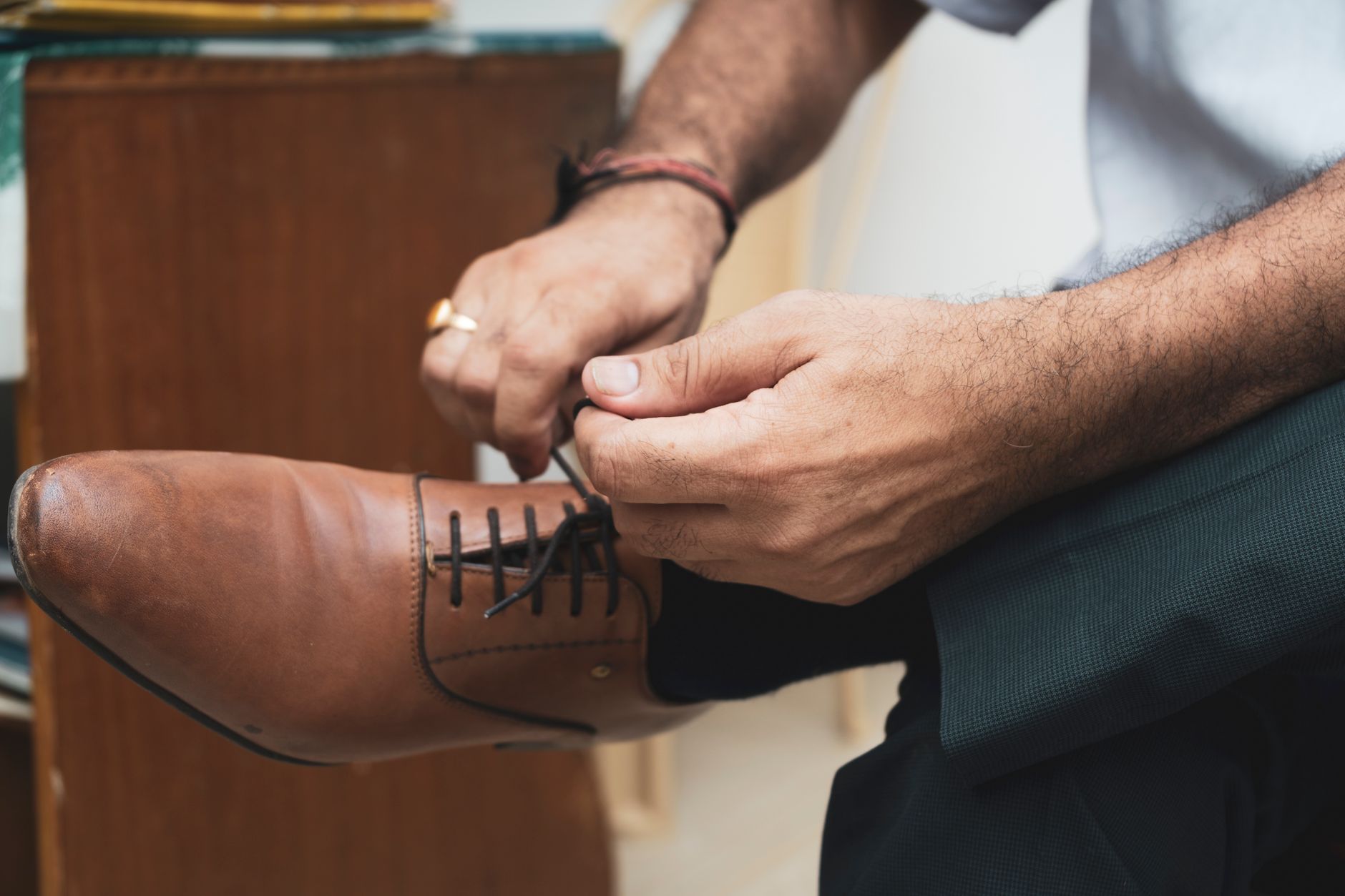
You bought a sharp pair of dress shoes, and the first day you wore them to the office your heels were wrecked by lunchtime. That experience is almost universal for men who invest in quality formal footwear, and it happens because new shoe materials have not yet had the chance to conform to the unique shape of your foot. Understanding how to break in formal shoes men is not complicated, but it does require a deliberate approach rather than hoping the pain will sort itself out by Friday. The good news is that several practical methods can accelerate the softening process without damaging your shoes or your feet. If you are exploring men official shoes kenya for the office, knowing how to properly break in a new pair is just as important as choosing the right style and brand in the first place. The few days of careful preparation you invest before walking into a boardroom or a long client meeting will save you from the kind of discomfort that is written all over your face.
Why New Dress Shoes Hurt and How to Prevent It
New leather and synthetic materials are stiff because they have not yet molded to your specific foot shape, and that rigidity creates friction and pressure points wherever the shoe meets your skin. The heel counter, the sides of the toe box, and the area across the ball of your foot are the three zones where most men feel that initial pain. Quality brands like Timberland and Adidas design their formal shoes with durability in mind, which means the materials are dense and need time to soften and flex. Blisters form when repetitive friction combines with moisture from sweat, so managing moisture is just as important as stretching the shoe physically. Wearing moisture-wicking socks during the break-in period reduces the sweating that makes friction worse. Starting the entire process at home, before you ever step into the office, keeps you from spending a workday limping between meetings.
Understanding the anatomy of where pain originates helps you target your break-in efforts more precisely. The heel counter is the stiffest structural part of any dress shoe because it is designed to hold its shape over years of wear. The toe box, particularly in Oxford and Derby styles, sits close to the toes and creates pressure across the smaller joints when the leather has not yet softened. The shank, which runs along the arch area, can also feel rigid underfoot during the first few wears, even though it rarely causes blisters directly. Knowing these three zones means you can apply conditioning products, protective pads, and heat treatment exactly where they are needed rather than treating the whole shoe uniformly. A targeted approach saves time and produces faster results.
Wear Your Shoes at Home First to Break In Formal Shoes Men
The simplest and safest way to break in formal shoes men is to put them on at home and wear them for one to two hours while doing quiet activities such as watching television, reading, or cooking. This low-pressure environment gives your feet time to push gently against the shoe material without the added stress of long walking distances or standing on hard office floors. After each indoor session, the leather or synthetic material retains a small memory of your foot shape, making the next session slightly more comfortable than the last. Repeat this routine every day for three to five days, adding fifteen to twenty minutes of wear time with each session so your feet adapt gradually. If at any point you feel a sharp, stabbing pain or notice a patch of redness forming on your skin, remove the shoes immediately and switch to a gentler softening method before continuing. This staged approach is boring but effective, and it is the foundation every other method builds on.
Once the shoes feel tolerably comfortable during quiet home activities, extend the trial to short outdoor walks around your neighborhood. A fifteen-minute walk on a pavement is a useful middle step between sitting at home and committing to a full workday. The harder surface applies more stress to the shoe structure and reveals pressure points that a carpeted living room would not expose. Keep a pair of comfortable trainers in a bag so you can switch out if the formal shoes begin to cause real pain before you return home. Tracking your progress day by day, even informally, helps you judge when the shoes are genuinely ready for the office rather than guessing. Most shoes reach a comfortable baseline within five to seven days of consistent home and neighborhood use.
Use Heat and Moisture to Soften Leather and Synthetic Materials
Wearing a pair of thick sports socks inside your new dress shoes and then applying low heat from a blow dryer is one of the fastest ways to soften stiff shoe material. The warmth makes the leather or synthetic fibers more pliable, and the thickness of the socks pushes the material outward at exactly the spots where your foot needs room. Keep the blow dryer at least six inches from the shoe surface and keep it moving constantly so you do not concentrate heat in one spot, which can crack leather or warp synthetic materials. Apply the heat in short fifteen to twenty second bursts, then flex and wiggle your foot inside the shoe so the material stretches while it is warm and receptive. Once you remove the shoes, keep the thick socks on and let the shoes cool completely in the shape your foot has created, since this is when the material sets. This method works best as part of your at-home wearing sessions and should be done before you take the shoes out into the world for a real day of wear.
For synthetic materials, the heat method still works but requires a slightly lower temperature setting because synthetic fibers can distort more easily than genuine leather. Hold the dryer further away and use even shorter bursts of around ten seconds at a time. Water-based shoe stretch sprays also work well on synthetic uppers because they soften the fibers without relying on heat alone. After applying the spray, put the shoes on immediately while the material is still damp and walk around at home for twenty minutes so the fibers stretch around your actual foot rather than drying back into their original position. The combination of moisture and foot-shaped pressure is more precise than a shoe stretcher tool, which cannot replicate the exact contours of your individual foot. Always allow synthetic shoes to dry fully before polishing or conditioning them.
Apply Leather Conditioner and Shoe Stretching Products
Leather conditioner does two jobs at once: it softens stiff material and adds the moisture that prevents cracking during the stretching process. Apply a small amount using a soft cloth and work it specifically into the heel counter and the toe box, because those are the areas that cause the most friction and resist softening the longest. Shoe stretching sprays formulated for leather and synthetic materials penetrate the fibers and loosen them without weakening the structural integrity of the shoe. Before applying any product to the full shoe, test it on a small hidden section such as the inside of the heel to confirm it will not stain or discolor the material. Allow the conditioner or spray to absorb fully before you put the shoes back on, since wearing them while wet can cause uneven stretching. A conditioned shoe breaks in faster, looks better, and lasts longer than one that has been forced through the process dry.
The frequency of conditioning matters as much as the product itself. During the active break-in period, applying a light coat of conditioner every two to three days keeps the leather supple between wearing sessions. Once the shoe has fully conformed to your foot, monthly conditioning is enough to maintain that softness and protect the surface from the dry Kenyan air and occasional exposure to dust or light rain. Beeswax-based conditioners offer both softening and water resistance, which makes them a practical choice for men commuting to Nairobi offices in mixed weather. Avoid silicone-based polishes during the break-in stage because they can seal the leather surface and slow down the absorption of stretching sprays applied afterward. Building a simple care routine from the first week of ownership protects your investment and keeps the shoes looking sharp season after season.
Invest in Proper Shoe Inserts and Blister Prevention Tools
A quality insole from a brand like Timberland adds a layer of cushioning that a standard factory insole simply does not provide, and that extra padding reduces pressure on the ball of the foot and the arch during those critical first weeks. Moleskin padding, which you can cut to any shape, creates a protective barrier between your skin and the areas of the shoe that are rubbing before they have had a chance to soften completely. Gel heel cups fit inside the back of the shoe and absorb the shock of each step, reducing the friction in the heel where most blisters develop. Blister prevention sticks, which work like a dry lubricant applied directly to your skin, are small enough to carry in a jacket pocket and can be reapplied during the day if you feel a hot spot forming. These products cost very little individually, and using two or three of them together often makes the difference between a manageable break-in and a painful week at the office. Treating these tools as a standard part of buying any new pair of dress shoes is a habit worth building.
Sock choice deserves more attention than most men give it during the break-in period. A thin dress sock offers almost no buffer between the shoe and your skin, which is fine once the shoe has fully softened but creates unnecessary friction in the early days. A slightly thicker cotton or bamboo blend sock absorbs more sweat and provides a small amount of physical padding without making the shoe feel noticeably tighter. Avoid wearing the same pair of socks two days in a row during heavy break-in sessions because damp sock fibers increase friction rather than reducing it. Carrying a spare pair of socks to the office during the first week is a simple precaution that many men overlook. Clean, dry socks make a measurable difference in how comfortable the shoe feels by the afternoon.
Rotate Your Shoes to Speed Up the Process
Wearing the same pair of new dress shoes every single day is actually slower than alternating them with a second pair. When you wear a shoe, the leather or synthetic material absorbs moisture from your foot and needs time to dry and reset into its new, slightly more flexible shape. Wearing the shoe again before it has fully dried keeps the fibers in a slightly weakened state, which is good for stretching but hard on the structural integrity of the shoe over the long term. Rotating between two pairs allows each shoe at least forty-eight hours to dry completely, which also prevents the odor and bacterial buildup that comes from daily wear without rest. Many men who invest in quality formal footwear own two or three pairs specifically to enable this rotation. The practice extends the life of every pair in your collection while also making each one more comfortable faster.
A cedar shoe tree, placed inside the shoe immediately after you remove it, helps the leather hold the stretched shape it gained during wear rather than contracting back as it dries. Cedar also draws out moisture and controls odor naturally, which is a useful side benefit during a period when your feet are working harder inside a stiff shoe. Plastic shoe trees do the job of maintaining shape but do not offer the moisture management of cedar. Investing in a pair of cedar shoe trees for each pair of formal shoes you own is a minor expense that pays back in both comfort and longevity. If you are breaking in two pairs simultaneously, rotating them on alternate days alongside shoe trees gives both pairs the best possible conditions for softening evenly. Good shoe care at the end of each day turns what could be a frustrating break-in period into a straightforward routine.
Know When to Size Up or Choose a Different Style
Sometimes a shoe simply does not fit, and no amount of conditioning or stretching will change that fundamental mismatch between the shoe shape and your foot. If a pair still feels tight across the toe box or pinches at the sides even after several days of softening, moving up half a size will serve you far better than forcing your foot into something that was never designed for your foot shape. Different brands are built on different lasts, which are the foot-shaped molds used during manufacturing, and a brand that fits one man perfectly can feel completely wrong for another man with a wider forefoot or a higher arch. Jojo Shoes stocks Nike, Adidas, New Balance, Timberland, and several other trusted brands, each of which carries slightly different fit characteristics across their formal and casual ranges. Trying more than one brand before committing is always worthwhile, because the brand that matches your natural foot shape requires far less aggressive breaking in to begin with. Taking the time to find genuinely correct sizing eliminates the majority of break-in pain and also protects your long-term foot health.
Foot shape also changes slightly with age, weight fluctuation, and how much time you spend on your feet during the week. A size that fit you well three years ago may no longer reflect your current foot accurately, so measuring your feet before any significant shoe purchase is worth the two minutes it takes. Men with flat arches or high insteps often need specialist insoles regardless of brand, and factoring that extra layer into your size selection prevents the common mistake of buying a shoe that feels right at first try but becomes uncomfortably tight once the insole is added. Wide-fit options are available across several brands and solve toe box pressure without requiring aggressive stretching. Asking staff at the point of purchase about the width options and last characteristics of a specific shoe is a practical step that many men skip. That conversation often prevents the need for an extensive break-in process in the first place.
Properly breaking in a new pair of dress shoes takes patience and a small investment in the right products, but the payoff is footwear that feels comfortable from the first full day you wear it to work. Rushing the process by wearing stiff shoes straight into a long workday is how men end up with blisters that take two weeks to heal and a pair of expensive shoes they dread putting on. The methods described here, from wearing shoes at home in stages to applying conditioner and using protective pads, work together rather than independently, so combining two or three of them produces faster results than relying on a single technique. Quality formal shoes from the brands available at Jojo Shoes are built to last for years, and taking care of them during the break-in period also sets up good maintenance habits that keep them looking sharp well into the future. If your new shoes still feel genuinely painful after two weeks of careful breaking in, that is a clear signal to revisit your size or try a style built on a different last. Comfortable, well-fitted dress shoes change how you carry yourself at work, and that confidence is worth every careful step of the process.
See everything Jojo Shoes can do for you.
Visit Jojo Shoes →