How to Choose Kids' Shoes for Growing Feet
Properly fitting kids' shoes support healthy foot development, comfortable movement, and confident daily wear. Measure feet regularly in the afternoon, add thumb's width space for growth, and prioritize flexible soles, breathable materials, arch support, and secure closures. Quality brands like Nike and Adidas offer youth ranges designed for active children.
See everything Jojo Shoes can do for you.
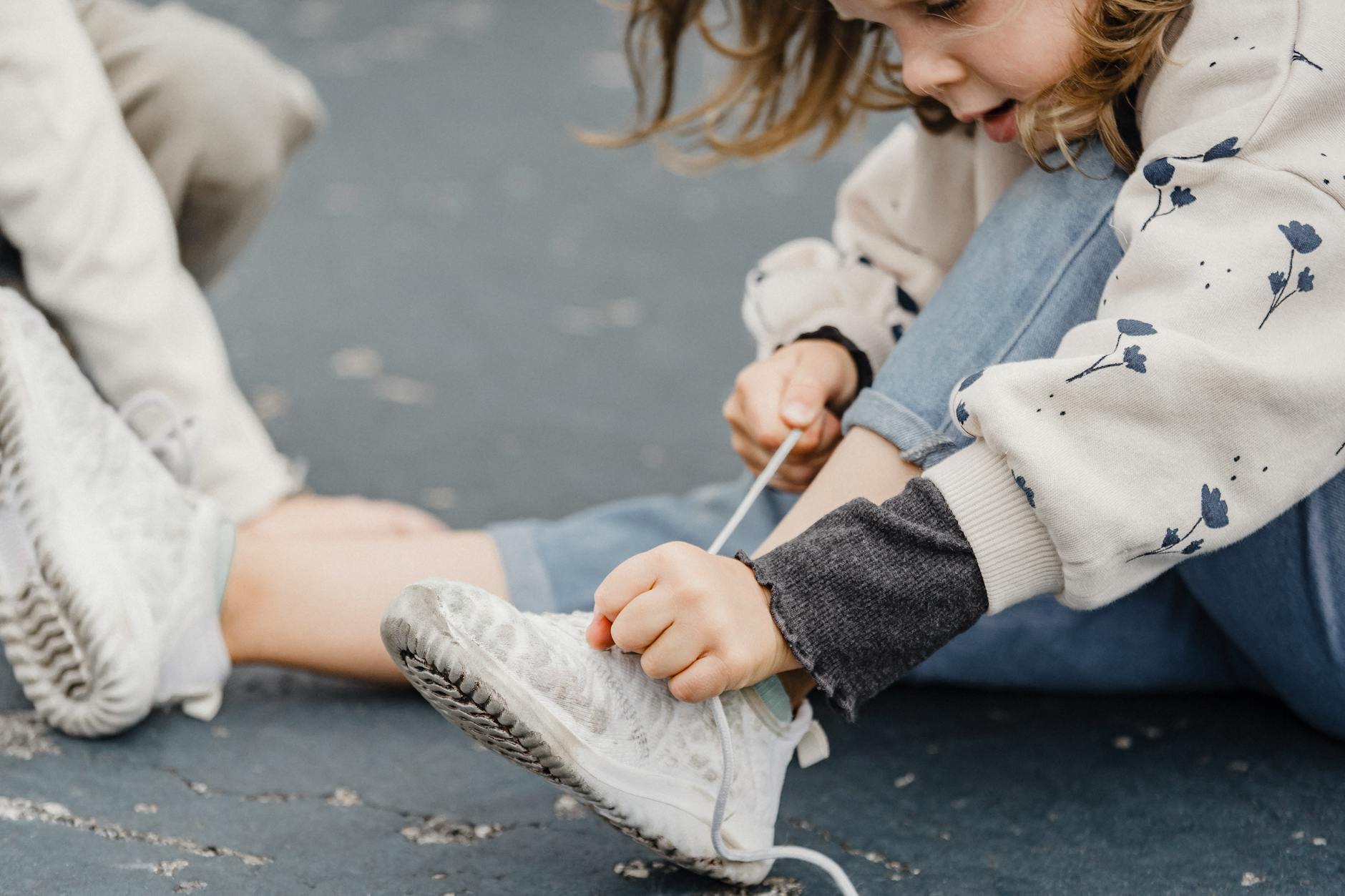
Buying shoes for a child sounds simple until you realise how fast their feet change and how much a poor fit can affect their daily comfort. A little knowledge about sizing, construction, and brand options goes a long way toward making a choice the whole family is happy with. This guide walks you through everything you need to know before your next purchase.
This article is part of our complete guide: Kids Shoes Nairobi.
Why Kids' Shoe Fit Matters More Than You Think
A shoe that fits well does more than keep a child comfortable; it directly influences how they walk, run, and develop over time. When shoes are too tight, they restrict natural movement and can alter a child's gait in ways that take years to notice. Shoes that are too loose cause the foot to slide forward and create friction at the toes and heel. Over time, these problems can lead to poor posture and joint strain that becomes harder to correct. Growing feet need room to splay out naturally with every step, which means neither pinching nor excessive space is acceptable. Getting the fit right from the start saves your child a lot of unnecessary discomfort.
The right fit also removes a very practical problem that many parents face: a child who refuses to wear their shoes. Blisters, pressure points, and slipping heels are common reasons children complain about footwear, and those complaints are almost always fit-related. When shoes feel good, children put them on without a fuss and keep them on throughout the day. This is especially important for school-going children and active toddlers who are on their feet for hours at a time. A well-fitted shoe supports confident movement rather than cautious, uncomfortable steps. Taking the time to choose correctly means fewer battles in the morning and healthier feet in the long run.
Measure Your Child's Feet Accurately at Home
The most common mistake parents make is assuming they already know their child's size. Children's feet grow quickly and unevenly, meaning the size from three months ago is often already too small by the time the next shopping trip comes around. Always measure both feet because it is very common for one foot to be slightly longer or wider than the other, and you should always fit the larger one. A simple ruler placed on a flat surface next to a piece of paper works perfectly well for this at home. Trace the foot, then measure from the back of the heel to the tip of the longest toe. Use that measurement to compare against sizing charts available on our product pages before placing your order.
Timing your measurement also matters more than most people expect. Feet tend to swell slightly after a day of running, playing, and standing, which means a measurement taken first thing in the morning will often produce a number that is a little too small. Measuring in the afternoon or after your child has been active for a while gives you the most accurate reading. Once you have that measurement, add roughly half a thumb's width of space to account for movement and growth. This small allowance means the shoe will not press against the toes when the child is mid-stride. Remeasure every two to three months during active growth periods because a lot can change in a short time.
Key Features to Look for in Kids' Shoes
Flexible Soles and Breathable Materials
The sole is one of the most important parts of any children's shoe, yet it is often overlooked in favour of how the shoe looks. A good sole bends at the ball of the foot, which is the widest part just behind the toes, allowing the foot to push off naturally when walking or running. A sole that is rigid along its entire length forces the foot to work against the shoe rather than with it. You can test this quickly by holding the shoe at both ends and bending it; good flexibility at the ball is a positive sign. Stiff soles are more suited to protective boots than everyday play shoes. For most daily activities, a sole with some give is the right choice.
Breathability is the other feature that parents often only appreciate after it is missing. Children's feet sweat a great deal during play, and a shoe made from non-breathable synthetic materials traps that moisture inside. This creates an environment that is uncomfortable for the child and can lead to skin irritation over time. Look for uppers made from mesh, canvas, or quality leather, all of which allow some airflow around the foot. The brands stocked at Jojo Shoes, including Nike, Adidas, and Converse, incorporate breathable materials across their youth ranges precisely because active wear demands it. A shoe that keeps feet dry also keeps feet healthier through a full school day or afternoon outdoors.
Arch Support, Heel Counter, and Closures
Young feet are still developing the arch structure that adults rely on for balance and shock absorption. A shoe with adequate arch support helps guide this development in the right direction during the years when it matters most. The heel counter, which is the firm structure at the back of the shoe that cups the heel, keeps the foot aligned properly and prevents it from rolling inward with each step. You can feel a heel counter by pressing on the back of the shoe; it should hold its shape rather than collapse under light pressure. Stability in these two areas makes a meaningful difference during high-energy activities like running, jumping, and climbing. It also reduces fatigue, so your child stays active longer without discomfort.
Closures are a feature that affects both safety and independence, and the right choice depends on the child's age and coordination. Velcro straps are ideal for younger children who are still learning to fasten their own shoes, because they are quick, secure, and easy to adjust throughout the day. Lace-up options suit older children who have the motor skills to tie their own shoes and want footwear that locks the foot firmly in place during sport. Buckles offer a smart and durable middle ground for children who want something that looks a little more polished. Whichever closure your child's shoes use, check that it stays secure after they run and jump, not just when they are standing still. A closure that comes loose mid-play is a tripping hazard waiting to happen.
Budget-Friendly Brands That Actually Last
Spending on children's shoes can feel frustrating when you know they will be outgrown in a few months, but choosing a quality brand is still worth the investment. A poorly made shoe that falls apart in six weeks costs more in the long run than a well-constructed one that lasts the full growth cycle. Nike and Adidas both offer dedicated youth lines that carry the same construction quality as their adult ranges, with reinforced toe caps and durable outsoles built for active children. Adidas in particular uses materials that hold up well to the daily wear and tear of school and outdoor play. Nike's youth range includes lightweight options that work equally well for sport and casual use. Both brands also carry sizes that accommodate children from toddlers right through to older primary school age.
New Balance is a brand that deserves more attention in the children's footwear conversation than it usually gets. The brand is known for its precise width fittings, which means children with narrower or wider feet have options beyond the standard fit. For everyday school wear and general activity, New Balance offers reliable support without the premium price tag of some sport-specific models. Converse canvas sneakers are another practical option, especially for casual outings, weekend wear, and children who simply want a shoe that looks good without being fussy. They are not designed for intense sport, but for the school run or a trip to the mall, they hold up well and stay looking tidy. For families spending time outdoors, on hiking trails, muddy school grounds, or rougher terrain, Timberland's children's boots offer the kind of sturdy construction that can handle real use.
Shopping Smart: When to Buy and What to Avoid
Buying slightly roomier shoes is a smart strategy, but there is a difference between purposeful allowance and buying shoes that are simply too big. A finger's width of space between the tip of the longest toe and the end of the shoe is the standard guideline most podiatrists recommend. More than that and the foot slides around inside the shoe, causing friction and instability. Buying a shoe with just enough room means it will still fit correctly at the start and have space to accommodate a few months of growth. Timing your shopping toward the end of the day is also a practical move, since feet are at their largest after hours of activity. A shoe that fits comfortably at that point will not feel tight at any other time of day.
Hand-me-down shoes are a common cost-saving approach, but they come with real risks that are easy to underestimate. A shoe that has been worn by one child molds to that child's specific foot shape, including their arch height, width, and the way they distribute weight as they walk. Passing those shoes on to a sibling or cousin means the second child is walking on a surface shaped for someone else entirely. This is especially problematic if the two children have meaningfully different foot shapes. If hand-me-downs are unavoidable, at least check that the sole is not worn unevenly and that the heel counter still holds its shape. Plan to replace your child's shoes every four to six months during peak growth periods, and check the fit monthly so you are not caught off guard by a sudden growth spurt.
Quick Fit Test Before Checkout
Even after you have measured carefully and chosen a well-constructed shoe, doing a quick fit test before committing to the purchase protects you from an expensive mistake. Start by asking your child to wiggle all their toes inside the shoe while it is fastened. They should be able to spread their toes slightly without feeling the sides of the shoe press back against them. If the toes are cramped or they cannot wiggle freely, the shoe is too narrow or too short. This simple test takes about thirty seconds and catches the most common fit problems immediately. It is especially useful when shopping online, as it gives you a clear benchmark to test the shoes against once they are delivered.
The heel is the second area to check carefully, and it is one that many people forget about. Ask your child to walk a few steps while you watch whether the heel lifts out of the back of the shoe with each stride. A small amount of movement is acceptable during a break-in period, but significant slipping means the shoe is too large or the heel counter is not doing its job. Have your child run in place for a few seconds and confirm the shoe stays put at the back. After your child has worn the shoes for a few hours on the first day, ask how they feel. Any report of rubbing, tightness, or pressure points is useful information that tells you whether this pair is working or whether it needs to go back.
Choosing shoes for a child is one of those small decisions that has a bigger impact than it first appears, but it does not have to be complicated. Measure accurately, look for the right construction features, choose a brand built for real use, and test the fit thoroughly before deciding. If you are ready to find the right pair, browse our full range of children's footwear at Jojo Shoes and get your order delivered anywhere in Kenya.
See everything Jojo Shoes can do for you.
Visit Jojo Shoes →