How to Choose Work Shoes That Last All Day
Choose work shoes with proper arch support, cushioned soles, breathable materials, and slip-resistant outsoles to prevent foot pain and fatigue during long shifts. Quality brands like Nike, Adidas, Timberland, and New Balance offer durable footwear that supports all-day comfort. Investing in proper work shoes prevents injury, boosts productivity, and lasts months longer than budget options.
See everything Jojo Shoes can do for you.
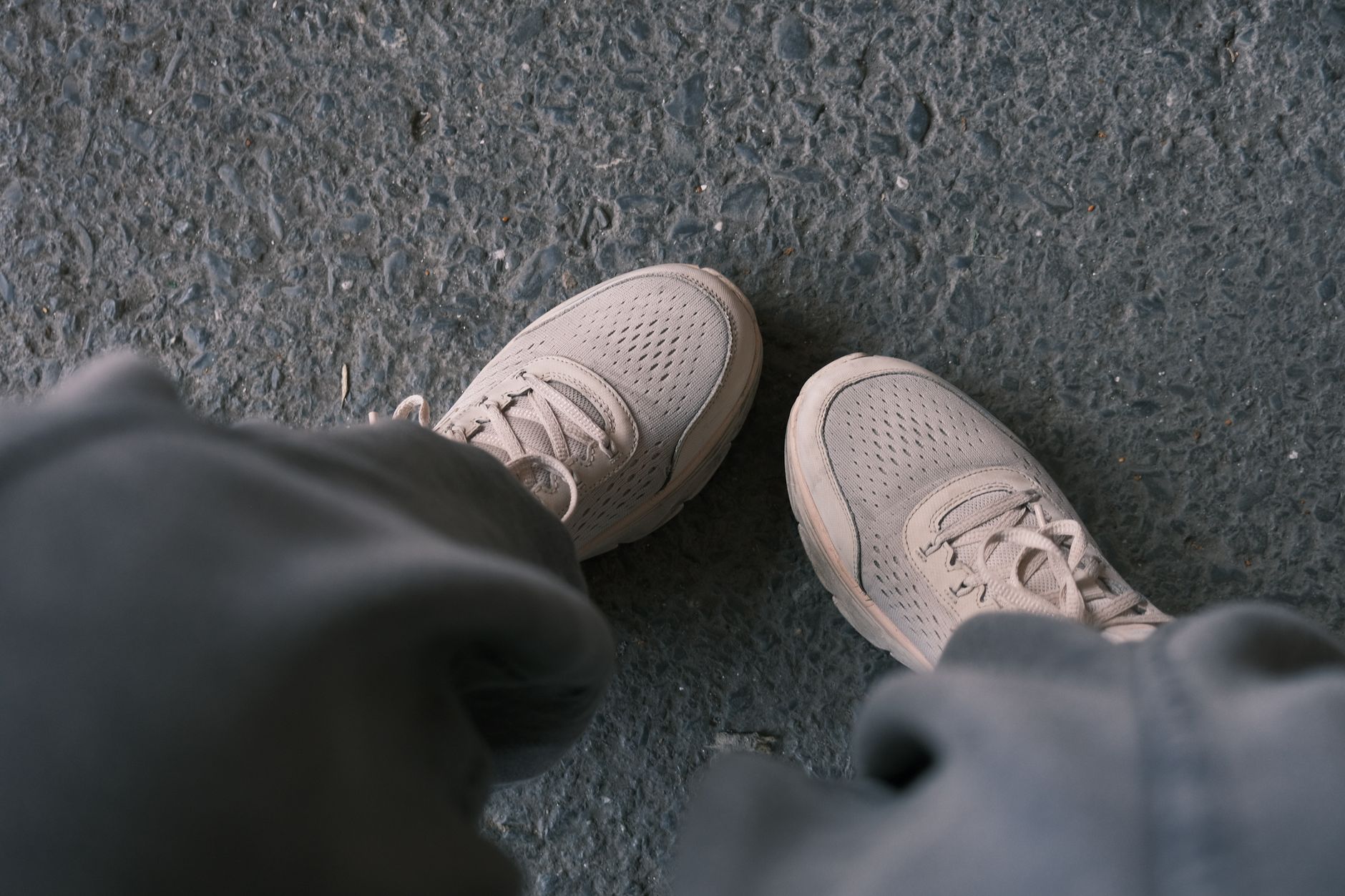
If you spend eight or more hours on your feet at work, the shoes you choose can make or break your day. Most people pick work shoes the same way they pick weekend shoes, focusing on how they look and what they cost right now. That is understandable, but it tends to lead to sore feet, tired legs, and shoes that fall apart within a few months. A little more thought up front saves you a lot of discomfort later.
This article is part of our complete guide: Men Official Shoes Kenya.
Why Work Shoes Matter More Than You Think
A long shift at a hospital, a construction site, a retail floor, or even a busy office puts real physical demands on your feet. Your shoes have to absorb thousands of small impacts every single hour, and a pair built purely for looks simply cannot do that well. When your footwear lacks the structure to handle this, your body compensates in ways you might not notice right away. Fatigue sets in faster, your lower back starts to ache by mid-afternoon, and your concentration dips. Studies consistently link poor footwear to reduced productivity, and it is not hard to see why when you experience it yourself. The shoes you wear to work are honestly as important as any other tool you use on the job.
Foot-related health issues like plantar fasciitis, bunions, and chronic heel pain are far more common among people who spend long hours in unsupportive shoes. These conditions do not develop overnight, but they build gradually and become harder to treat the longer they are ignored. A good pair of work shoes addresses this before it starts, giving your feet the structure they need to stay healthy over months and years. The upfront cost of quality footwear tends to feel significant, but it shrinks quickly when you compare it to physiotherapy visits or missed workdays. The right pair genuinely pays for itself, both in how you feel each evening and in how long the shoes actually last. Thinking of work shoes as an investment rather than just a purchase changes how you shop for them.
Key Features to Look for in Work Shoes
Arch support is one of the most important things to check, and it is not one-size-fits-all. People with flat feet need shoes that offer firm, structured support along the inner edge of the sole, while those with high arches need cushioning that fills the gap underfoot. Neutral arches are the most common and have the widest range of compatible shoes, but even then, a shoe with no arch support at all will cause problems by the end of a long shift. If you are not sure about your foot type, step onto a wet surface and look at the imprint you leave. A simple test like that takes seconds and can prevent weeks of discomfort. Once you know your arch type, you can filter your options immediately.
Cushioned soles are the next thing to prioritize, especially if your workplace has hard floors like concrete or tile. Every step you take sends a small shockwave up through your heel, ankle, knee, and hip, and without proper cushioning that adds up to real pain by the end of the day. Look for shoes with midsoles made from materials like EVA foam or memory foam inserts, which absorb impact without making the shoe feel heavy. Breathable uppers made from mesh or treated leather keep your feet cool and dry throughout a full shift, which matters more than most people expect. Wet, sweaty feet are not just uncomfortable, they are more prone to blisters and skin irritation. A shoe that manages moisture well is a shoe you will actually want to keep wearing.
Slip resistance is non-negotiable for anyone working in food service, healthcare, construction, or any environment where floors can be wet or greasy. The outsole of a good work shoe will have a deep tread pattern and be made from rubber compounds specifically designed to grip slick surfaces. You can usually spot this in the product description, and it is worth checking rather than assuming. Durable uppers are equally important because the outer shell of the shoe takes a beating from knocking against surfaces, exposure to dust, and general wear. Leather and reinforced synthetic materials hold up far better than thin canvas for this kind of use. A shoe that ticks both boxes will look and function well for much longer than one that compromises on either.
Shoe Brands That Deliver Comfort for Work
New Balance has built a strong reputation for footwear that supports all-day wear, and that reputation is well earned. The brand puts serious engineering into its midsoles, offering multiple levels of cushioning and arch support across different models. Many healthcare workers and teachers, who are on their feet for full shifts with almost no downtime, swear by New Balance as their go-to brand. The fit tends to run true to size, which makes ordering straightforward. Several models also come in wide fittings, which is helpful for people who have always struggled to find comfortable shoes. If lasting comfort is your top priority, New Balance is one of the first places to look.
Adidas work-appropriate shoes manage something that is genuinely hard to pull off: they look good enough for an office or a smart-casual environment while still delivering the durability you need for a full day of standing or walking. The Boost cushioning technology used in many Adidas soles is particularly effective at energy return, meaning your feet feel less tired at the end of the day. Timberland approaches things differently, building shoes and boots designed to handle tough outdoor and industrial environments without sacrificing structure. Their construction is robust in a way that reflects the brand's history of making footwear for genuinely demanding jobs. Nike rounds out the group with performance-focused designs that support active work environments, combining lightweight builds with responsive cushioning. All four of these brands are available at Jojo Shoes, so you can compare options without jumping between multiple stores.
Getting the Fit Right
Foot size changes slightly throughout the day due to natural swelling from activity and heat. Measuring your feet in the afternoon rather than first thing in the morning gives you a more accurate reading of the size you need for all-day wear. This single habit alone prevents a lot of people from buying shoes that feel fine at 8am but start pinching by noon. Use a ruler or a proper foot measuring tool and measure both feet, because most people have one foot slightly larger than the other. Always fit to the larger foot. A measurement that takes two minutes can save you from returning shoes or, worse, wearing shoes that are slowly damaging your feet.
When you try shoes on, leave roughly a thumb's width of space between the end of your longest toe and the front of the shoe. This gap allows for natural toe spread and for the slight swelling that happens during a long shift. Wearing the actual socks you use at work during this test is important because sock thickness affects fit more than most people expect. Walk around for at least ten minutes in the shoes before making a decision, covering different surfaces if possible. Pay attention to whether the heel slips, whether anything rubs at the ankle, and whether your toes feel cramped at any point. A shoe that passes that ten-minute test is a shoe you can trust for an eight-hour day.
Making Your Work Shoes Last Longer
Rotating between two pairs of work shoes is one of the simplest and most effective things you can do to extend their life. Shoes need time to dry out fully between uses, and wearing the same pair every single day traps moisture inside the materials, which breaks down foam, stitching, and linings much faster. Having a second pair in the rotation means each one gets at least a day of rest before you wear it again. This also reduces the chance of developing foot odor, since the shoes have time to air properly. The cost of a second pair is quickly offset by the fact that both pairs will last significantly longer than a single pair worn daily. Think of it as doubling your investment rather than spending twice as much.
Cleaning your work shoes after each shift takes only a few minutes but makes a real difference over time. Wipe down leather uppers with a damp cloth and a small amount of appropriate cleaner, and brush dirt out of mesh materials before it settles into the fibers. Let them dry naturally at room temperature rather than forcing them near a heater, which can crack leather and warp soles. Store them in a cool, dry spot away from direct sunlight, since UV exposure degrades materials and fades colors faster than most people realize. Replace the insoles before they go completely flat, because worn-out insoles reduce cushioning long before the outer shoe shows obvious signs of wear. Keeping on top of these small habits means your shoes stay supportive and comfortable for far longer.
Choosing the right work shoes is not complicated once you know what to look for, but it does require treating the decision with the same care you would give any important purchase. Your feet carry you through every hour of every working day, and they perform much better when the shoes you put them in are genuinely built for the job. Browse our full range to find options from New Balance, Adidas, Timberland, Nike, and more, with countrywide delivery available across Kenya. The right pair is out there, and your feet will thank you for finding it.
See everything Jojo Shoes can do for you.
Visit Jojo Shoes →