Cushioned Running Shoes for Long Distance Training in Kenya
Choosing cushioned running shoes for long distance training in Kenya comes down to understanding what your joints need over hundreds of kilometers on Nairobi asphalt and rural roads. This post walks you through how midsole foam technology works and which New Balance and Nike options suit Kenyan marathon training best. Knowing this helps you train consistently and reach the start line in good shape.
See everything Jojo Shoes can do for you.
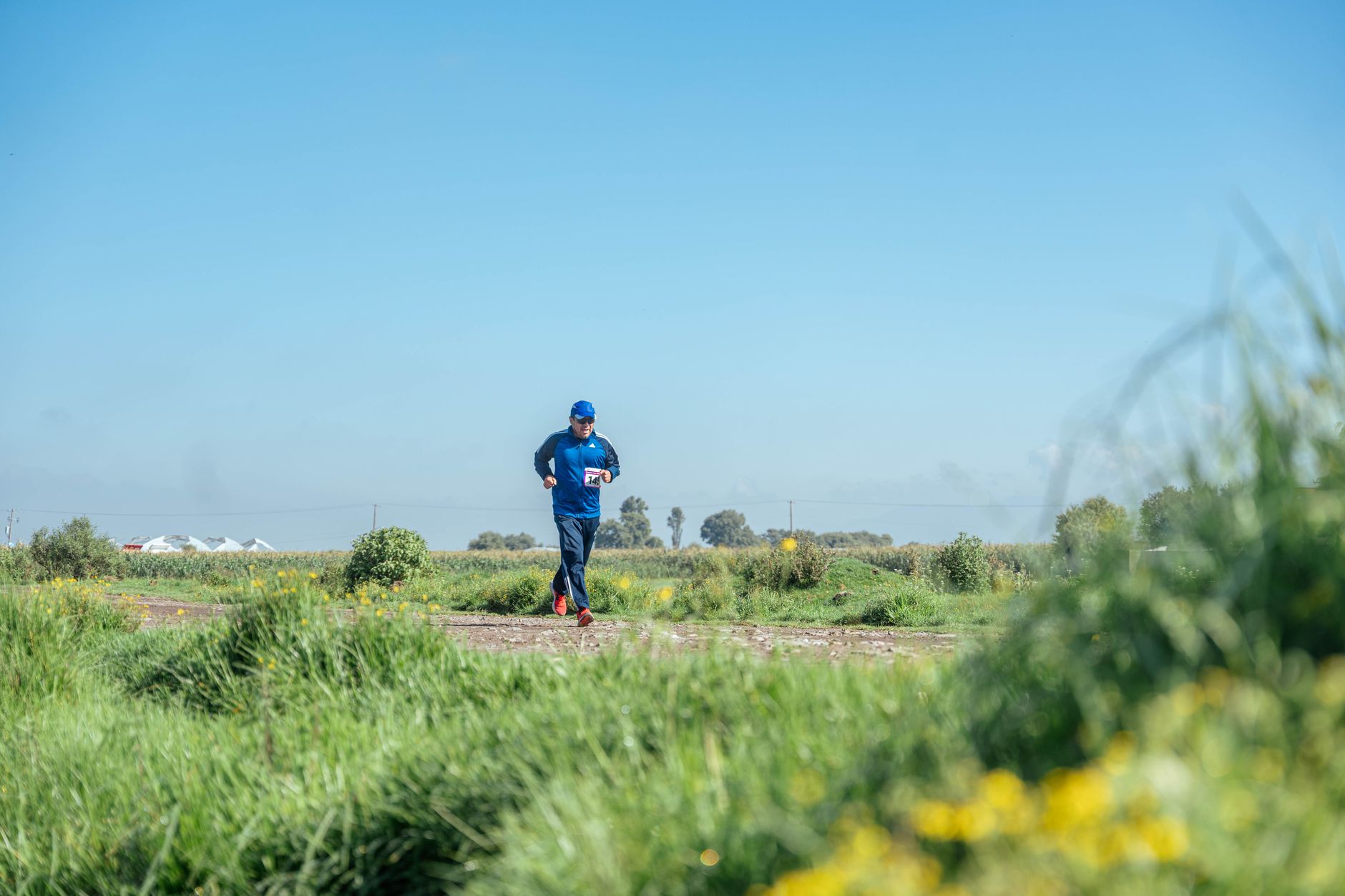
If you are training for a half marathon or full marathon in Kenya, the shoes on your feet will shape every kilometer of that journey. Cushioned running shoes long distance Kenya runners rely on are not a luxury item but a practical tool that determines how your joints, muscles, and tendons hold up over months of consistent training. A good cushioned shoe absorbs the repetitive pounding of asphalt in Nairobi, murram roads in the Rift Valley, and everything in between. Choosing the right running shoes from a trusted brand like New Balance or Nike means you arrive at the start line healthy rather than nursing a preventable injury. At Jojo Shoes, we stock a carefully chosen selection of these high-cushion options so that Kenyan runners can train smarter and race with confidence.
This article is part of our complete guide: Running Shoes for Women Kenya.
Why Cushioning Matters for Long Distance Running in Kenya
Every stride you take on a long run sends a force through your foot that is roughly two to three times your body weight. Over a twenty-kilometer training run, that adds up to tens of thousands of impacts, and without proper cushioning, your knees, hips, and lower back absorb the excess. Kenya's roads present a particularly demanding mix of uneven pavements, loose gravel paths, and hard-packed dirt tracks that compound the shock your body must manage. Good impact absorption built into a shoe's midsole reduces joint stress dramatically across an extended training cycle. Runners who skip proper cushioning often find themselves sidelined by shin splints or knee pain just when their fitness is building real momentum. Protecting your body through smart shoe choices is what allows you to train consistently week after week rather than spending time recovering from avoidable injuries.
The Science Behind Midsole Foam Technology
The heart of any cushioned shoe is the midsole foam, and modern foam technology has advanced considerably in the past decade. Brands now engineer foam compounds that compress on impact and then rebound quickly, returning energy to your stride rather than simply absorbing it. This energy return quality is what separates a genuinely high-performance midsole from older foam materials that simply felt soft underfoot. A foam that rebounds well reduces the muscular effort required to push off with each step, which matters enormously over the final ten kilometers of a marathon when fatigue is highest. Kenya's heat also plays a role here, because a dense, poorly ventilated midsole traps warmth and accelerates fatigue, so look for designs that pair cushioning with breathable upper materials. A shoe that manages both impact and temperature will serve you far better across a full training block.
Understanding Cushioned Running Shoes Long Distance Kenya Conditions Demand
Cushioning levels generally fall into three broad categories: moderate, high, and maximum, and each serves a different purpose in a training plan. Moderate cushioning suits tempo runs and shorter efforts where you want a more connected feel with the ground and sharper proprioceptive feedback. High cushioning works well for the bulk of your weekly easy mileage, offering meaningful protection without making the shoe feel heavy or unresponsive. Maximum cushioning becomes essential during those long Saturday runs when you are covering thirty or more kilometers and your legs are already carrying significant fatigue. Kenya's terrain shifts quickly between hard tarmac, compacted earth, and loose gravel, which means you need a cushioning platform that performs reliably across surfaces rather than excelling on only one. Matching your cushioning level to the specific demands of your training session is a habit that experienced marathon runners develop early in their preparation.
Top New Balance Cushioned Options for Kenyan Marathon Runners
New Balance has built a strong reputation among distance runners, and the Fresh Foam line sits at the center of that reputation. Fresh Foam midsoles use a single-piece foam construction that delivers a smooth, responsive ride whether you are doing a tempo session or an easy aerobic run. The New Balance 1080 series takes that philosophy further, offering a plush, high-stack cushioning experience that many runners describe as a firm but forgiving underfoot sensation that holds up over very long efforts. For Kenyan runners who overpronate, meaning their foot rolls inward excessively on landing, several New Balance models include medial post support or structured midsoles that correct gait without sacrificing comfort. The outsoles on these models use durable rubber compounds that resist wear on rough surfaces, which matters when you are training on roads that shift between tarmac and gravel within the same route. New Balance also produces a generous range of widths, so runners with wider or narrower feet can find a genuine fit rather than settling for something close.
Why the 1080 Series Suits High-Mileage Training Weeks
The 1080 is specifically designed for runners logging the kind of mileage that marathon preparation demands, typically between sixty and one hundred kilometers per week. Its midsole stack height provides a meaningful buffer between your foot and the ground across repeated long efforts that accumulate over a sixteen or twenty week training block. The upper uses engineered mesh that breathes well in Kenyan heat while still wrapping the foot securely enough to prevent internal movement during longer runs. Runners who have switched to the 1080 from lower-cushioned models frequently report less lower limb soreness during the high-volume phase of their training. Because the shoe is built to absorb miles rather than to be your fastest race shoe, it pairs well with a lighter option on race day or during speed sessions. Jojo Shoes carries the 1080 so you can access this technology locally rather than waiting for international shipping.
Nike Cushioned Running Shoes Built for Distance Training
Nike approaches cushioning through two distinct foam technologies, React and Zoom Air, and understanding the difference helps you pick the right tool for your training needs. React foam is a full-length, lightweight compound that provides consistent softness over long distances without the heavy, sinking feeling of older foam materials. Zoom Air units, which are pressurized air pods embedded in the midsole, add a snappier, more responsive sensation that suits runners who prefer feeling a bit more ground contact beneath their foot. The Nike Pegasus sits in the middle of these worlds, combining moderate cushioning with a lively ride that works well for a wide range of paces and distances. For runners logging serious high-mileage weeks, the Invincible series offers maximum stack height and prioritizes protection above all else, making it an excellent recovery day or long run shoe. Jojo Shoes stocks Nike distance options so that Kenyan runners can access these technologies without waiting weeks for an international delivery.
Choosing Between React and Zoom Air for Your Training Needs
React foam suits runners who want consistency above all else, because its feel does not change significantly whether you are five kilometers into a run or twenty-five kilometers in. Zoom Air, by contrast, delivers a livelier sensation at the start but is generally found in shoes designed with race performance in mind rather than pure volume training. If your priority is logging heavy mileage safely, a React-cushioned model will typically serve your body better across the long weeks of marathon preparation. If you are doing a mix of training paces and want a single shoe that handles easy runs and moderate tempo efforts, a Zoom Air model with a generous midsole stack can be a versatile choice. The best way to decide between them is to consider whether you value consistent softness or a more energetic underfoot feel, and then match that preference to the phase of training you are currently in. Both technologies are available at Jojo Shoes, so you do not need to make a decision based solely on descriptions.
How to Match Cushioning Level to Your Training Phase
A common mistake among marathon beginners is buying one pair of shoes and expecting it to serve every purpose in a sixteen or twenty week training plan. The base building phase, those early weeks of easy aerobic mileage, benefits most from moderate cushioning because your body is still adapting to increased volume and you need some ground feel to develop running economy. As weekly mileage climbs into the high-volume phase, maximum cushioning becomes your best ally, protecting tired legs on those back-to-back training days that characterize serious marathon preparation. Recovery runs, the slow easy efforts you do the day after a hard session, call for the softest, most forgiving shoe in your rotation because your muscles are already stressed and need every bit of help they can get. Race pace work and tempo sessions sometimes benefit from a slightly firmer shoe that gives you sharper feedback, though this depends on your personal preference and injury history. Rotating between two pairs throughout a training block also extends the lifespan of each pair significantly, because foam needs roughly forty-eight hours to fully decompress after a run.
Reading Your Body During a Training Block
Your body gives clear signals when your cushioning is insufficient, and learning to read them early prevents short setbacks from becoming long injuries. Persistent soreness in the knees or hips that does not resolve after a rest day is often a sign that your midsole is no longer absorbing impact effectively. Foam does compress and lose some of its responsiveness over time, and most midsoles begin to degrade noticeably after six hundred to eight hundred kilometers of use. Tracking the mileage on each pair of shoes is a simple habit that removes the guesswork from knowing when to replace them. Blisters and hot spots that appear on longer runs but not shorter ones can indicate that your shoe has lost its structural integrity rather than that your foot has changed. Paying attention to these signals and acting on them promptly is one of the most practical things a Kenyan distance runner can do to protect a training block they have invested weeks in building.
Getting the Right Fit for Your Cushioned Long Distance Running Shoe
Fit is the factor that can make a technically excellent shoe work poorly for a specific runner, regardless of how advanced the foam technology is. Your foot expands slightly during a long run, sometimes by as much as half a size, because blood flow increases and tissues swell with sustained effort. Buying a shoe that fits perfectly in the shop but offers no room for this expansion often leads to black toenails and blisters that derail training for several days. A toe box that is wide enough to allow your toes to splay naturally distributes impact more evenly and prevents the hot spots that build into blisters over two or three hours of running. The heel counter, the rigid cup at the back of the shoe, should hold your heel firmly without pressing into the Achilles tendon, because a loose or aggressive heel counter causes rubbing that worsens dramatically over marathon distances. When ordering from Jojo Shoes, we recommend sizing up by half a size from your regular shoe size specifically for long distance training footwear.
Practical Advice for Buying Online and Breaking In Your Shoes
Ordering running shoes online is convenient, but breaking them in correctly before race day is a step many runners skip to their cost. A new pair should be introduced gradually, starting with runs of five to eight kilometers and building toward longer efforts over two or three weeks. This allows the midsole foam to adapt slightly to your footstrike pattern and the upper to soften around the specific shape of your foot. Never debut a brand new pair of shoes on race day or during a critical long run, because even a minor friction point can become a serious blister across twenty or thirty kilometers. Jojo Shoes offers free delivery within Nairobi, so you can receive your order quickly and begin the break-in process at home without needing to visit a shop. If the fit does not feel right after your first few runs, our team is available to help you work through the options until you find the pair that truly suits your foot and your training.
Choosing the right cushioned shoe is one of the most impactful decisions you will make as a Kenyan distance runner, and it deserves at least as much thought as your training plan itself. The combination of Kenya's varied terrain, long training weeks, and the demands of half marathon and full marathon racing means your feet need genuine protection from a quality midsole, not just a comfortable upper. New Balance Fresh Foam and the 1080 series, alongside Nike's React and Zoom-powered options, give Kenyan runners proven technology that has been tested on roads and trails across the world. Matching your cushioning choice to your training phase, your foot shape, and your experience level transforms a good shoe into the right shoe for your specific situation. Jojo Shoes exists to make that decision straightforward, stocking these brands and delivering them to your door anywhere in Kenya. Whether you are in Nairobi, Kisumu, Mombasa, or Eldoret, the right pair is closer than you think. Start your marathon journey on the right foundation, because your legs will thank you long before race day arrives.
See everything Jojo Shoes can do for you.
Visit Jojo Shoes →