Get Your Shoe Size Right Online: No Returns Needed
Measure your foot length and width at home using a ruler, paper, and hard floor while wearing your intended socks to avoid online shoe sizing mistakes. Different brands like Nike, Adidas, and Timberland have inconsistent sizing standards, so accurate measurements prevent costly returns and delivery delays. Record both feet measurements since one is typically larger, then match your results to brand-specific size charts before ordering.
See everything Jojo Shoes can do for you.
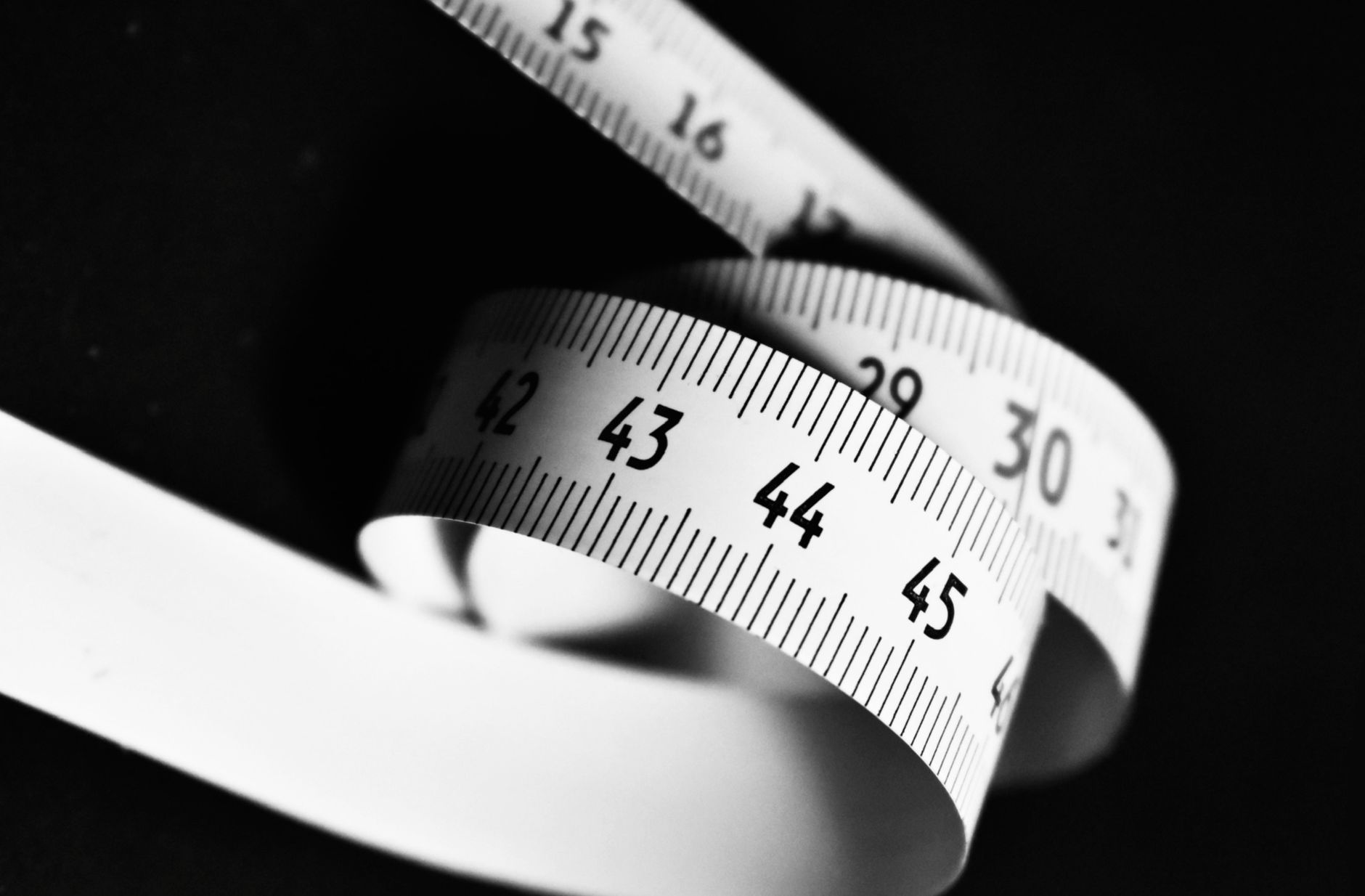
Getting your shoe size wrong online is one of the most frustrating shopping experiences, especially when you have to wait days for a delivery only to find the shoes pinch your toes or slip at the heel. The good news is that a few simple steps taken before you place your order can save you that headache entirely. Whether you are shopping for a fresh pair of Nike Air Force 1s, Timberland boots, or Converse for your child, this guide will walk you through everything you need to get it right the first time.
Shoe Size Chart Online Shopping: Why Online Shoe Sizing Fails (and How to Fix It)
One of the biggest reasons online shoe purchases go wrong is that different brands follow completely different sizing standards. A Nike running shoe can fit half a size smaller than an Adidas trainer of the same listed size, which means your usual "size 42" is not a universal truth. Shoppers who have worn one brand for years are sometimes genuinely surprised when they order another brand and find a completely different fit waiting in the box. This inconsistency is not a quality problem; it is simply a result of each brand designing around its own lasts and target foot shape. Knowing this upfront is the first step toward smarter online shopping.
Common mistakes also play a big role in sizing failures when shopping without a shoe size chart for online shopping. Measuring your foot on carpet gives an inaccurate result because the soft surface absorbs pressure and shortens your reading by a few millimetres. Ignoring sock thickness is another frequent error; the thin socks you measured in will behave very differently from the thick wool socks you plan to wear with your Timberlands. Many shoppers also overlook foot width entirely, which matters enormously for brands like New Balance that offer wide-fit options. A narrow foot in a wide shoe will slide, and a wide foot in a narrow shoe will cause real discomfort within an hour.
Quick guesses based on memory or your last shoe purchase lead directly to the most frustrating outcome: expensive returns and wasted delivery time. When a shoe is the wrong size, you lose time waiting for the swap, and you lose momentum on whatever occasion you bought the shoes for. A football match, a school opening, a job interview, these events do not wait for a second delivery. Taking ten minutes to measure properly before you order costs nothing, while a wrong guess can cost you both time and money. The sections below will show you exactly how to get that measurement right.
What You Need to Measure Your Foot at Home
The tools you need to learn how to measure foot size at home are probably already in your house right now. A ruler or a measuring tape is the most straightforward option, but a plain piece of A4 paper, a pen, and any ruler will work just as well. You do not need any specialist equipment, and the process takes about ten minutes once you have everything ready. Gather these items before you sit down so you can complete both feet in one go without interrupting your measurement midway. Consistency matters here, so set yourself up properly from the start.
Wear the socks you actually plan to use with the shoes you are buying before you start measuring. If you are ordering Nike running shoes, put on your running socks; if you are ordering Timberland boots, pull on your thickest pair. Socks add between two and five millimetres of volume around your foot, which is enough to push you into the next half size. Getting this detail right is the single most overlooked part of the process. It takes thirty seconds and makes a measurable difference to your result.
You will also need a hard, flat surface to stand on during the measurement. A tiled floor or wooden floor is ideal; carpet will give you a shorter, less accurate reading because your foot sinks slightly into the pile. Beyond the physical setup, all you need is a few minutes of focused attention. If you would like extra accuracy, Jojo Shoes offers a printable foot sizing template that you can place on the floor, stand on, and trace around your foot for a very precise outline. It is an optional step, but customers who use it consistently report fewer sizing issues.
Step-by-Step: Measure Your Foot Length and Width
Start by putting on the socks you have chosen and standing on your hard floor with your full weight evenly distributed on both feet. Place a piece of paper on the floor, stand on it, and trace around your foot with a pen held straight up and down, not angled inward or outward. Once you have the outline, use your ruler to draw a straight line from the very back of your heel to the tip of your longest toe. Measure that line in centimetres and write it down immediately so you do not have to repeat the process. Also convert the number to inches if the brand's size chart uses imperial measurements, since many American brands like Nike and Converse publish their guides in inches.
Next, measure the width of your foot by finding the widest part of your traced outline, usually across the ball of your foot just behind your toes. Draw a horizontal line across that widest point and measure it. Width is less commonly discussed but it is critical for comfort, particularly if you are buying for children whose feet are still developing, or if you are looking at structured shoes like formal Timberland boots. Note both your length and width measurements on a small piece of paper or save them in your phone so you have them handy every time you shop. This record will serve you for months, or until your next significant life event prompts a remeasure.
Repeat the entire process on both feet, because most people have one foot that is slightly longer or wider than the other. Always buy for the larger foot; the smaller foot will have a little extra room, but a too-tight shoe on your larger foot will cause blisters and pain within the first hour of wear. The difference between your two feet is often only two or three millimetres, but that gap is enough to matter. This step is especially important for children, whose two feet can differ more noticeably during growth spurts. Taking the measurement twice adds only two minutes and removes significant uncertainty from your order.
Use Brand-Specific Fit Guides to Cross-Check
Once you have your measurements, the next step is to match them against the specific brand you are buying, because a shoe size chart for online shopping is only useful when it is brand-specific rather than generic. Nike shoes typically run about half a size smaller than your measured street-shoe size, so if your foot measures a 26.5 cm length, you would normally wear a size 42, but in Nike you should consider a 42.5. This is particularly noticeable in their performance running and training lines. Many experienced Nike customers learn this rule quickly after one uncomfortable pair, but you should not have to learn it the hard way.
Adidas and New Balance tend to fit closer to your actual measurement, making them a more predictable buy for first-time online shoppers. If your foot measures into a size 42 by the centimetre chart, an Adidas or New Balance shoe listed as 42 will generally feel correct when you pair it with the right-thickness sock. New Balance in particular is known for offering multiple width options, so if your width measurement is on the wider side, it is worth checking whether the style you want comes in a wide fit. This kind of detail is easy to miss when you are browsing quickly, so slowing down at the product page pays off.
Timberland and Converse tend to run large, and most customers find going a half size down gives a much better fit. A Converse Chuck Taylor that feels right in size 42 would likely be purchased in 41.5 by someone who knows the brand well. Timberland boots are built with extra volume in the toe box, which is comfortable for outdoor use but can make the shoe feel sloppy if you go true to size. Kids' shoe sizes change rapidly during growth, and you should always remeasure a child's foot before each purchase rather than assuming the previous size still fits. On each product page at Jojo Shoes, you will find a short fit note for each brand to help you make the right call without guesswork.
What to Do If You Still Get It Wrong
Even with careful measuring, there are occasions where a shoe simply does not fit the way you expected, and that is completely normal. Jojo Shoes accepts exchanges for the correct size at no extra cost, so a sizing miss does not have to become a financial loss. The process is straightforward: reach out to the team within seven days of receiving your delivery, share your measurements and the size you received, and the right pair will be arranged. Keeping a record of your foot measurements makes this conversation much quicker and avoids any back-and-forth about what you originally needed.
For customers in Nairobi, the free town delivery option means that swapping a pair does not involve a complicated courier process. You simply coordinate with the Jojo Shoes team for a pickup and redelivery within the covered area. For countrywide customers, the team will guide you through the exchange process clearly so there are no surprises. The key detail to remember is the seven-day window; contacting the team promptly ensures your exchange can be processed before the shoes show any wear. Keep your original packaging where possible, as it makes the exchange smoother for everyone.
One practical habit worth building is keeping your foot measurements saved somewhere accessible, whether in your phone's notes app or a small notebook at home. When you shop again in three months, you will not need to remeasure from scratch; you will already know your length and width for each brand you have bought from. This record also becomes useful when buying during sales, when you want to move quickly without losing accuracy. Over time, you will build a personal reference that covers your entire shoe wardrobe. It is a small habit that pays off every single time you shop.
Pro Tips for Shopping Multiple Shoe Types
Athletic shoes from Nike and Adidas often benefit from going a half size up compared to what you would choose in a casual or formal shoe. This extra room accommodates foot swelling during exercise and allows your toes to move naturally during a run or workout. A shoe that fits perfectly when you are standing still can feel uncomfortably tight after thirty minutes of movement. If you are buying running shoes or training shoes, factor this in before you finalize your size selection. It is a small adjustment that makes a significant difference to long-term comfort and foot health.
For children's shoes, the approach is slightly different because children's feet grow quickly and unpredictably. Measure your child's foot monthly during growth spurts, and always buy with about one centimetre of growing room at the toe. That extra space will not affect fit noticeably at the time of purchase, but it means the shoes will remain comfortable for a realistic wear period rather than being outgrown in six weeks. Brands like Adidas and Nike carry strong kids' lines that are built with this growth allowance in mind, so you have good options available at Jojo Shoes regardless of your child's current size.
Buying shoes as a gift introduces one more layer of complexity that is easy to manage with a bit of preparation. Ask the recipient to wear the socks they would normally use with that type of shoe and then measure their foot in the afternoon rather than the morning. Feet swell slightly over the course of a day, and an afternoon measurement reflects the size the shoe needs to accommodate during real-world wear. A foot measured in the morning can be up to half a centimetre shorter than the same foot measured after several hours of activity. This single tip alone has saved many gift buyers from the awkward conversation of returning a present.
Getting your shoe size right before you order is genuinely one of the simplest things you can do to improve your online shopping experience, and now you have everything you need to do it confidently. Whether you are picking up a pair of Air Jordans for yourself, New Balance trainers for a school run, or Converse for your teenager, a ten-minute measuring session and a quick check of the brand fit notes will point you to the right size every time. At Jojo Shoes, the goal is for every pair to feel like it was picked out in person, and with the right preparation, that is entirely achievable from wherever you are in Kenya.
Learn more about our shoe size chart online shopping.
See everything Jojo Shoes can do for you.
Visit Jojo Shoes →