How to Break in New Shoes Without Blisters
Breaking in new shoes prevents blisters through gradual wear starting with 1-2 hours indoors, protective measures like blister prevention sticks and moisture-wicking socks, and targeted stretching techniques. Quality brands like Nike and Adidas require time for materials to conform to your foot shape, reducing friction and discomfort within the first week.
See everything Jojo Shoes can do for you.
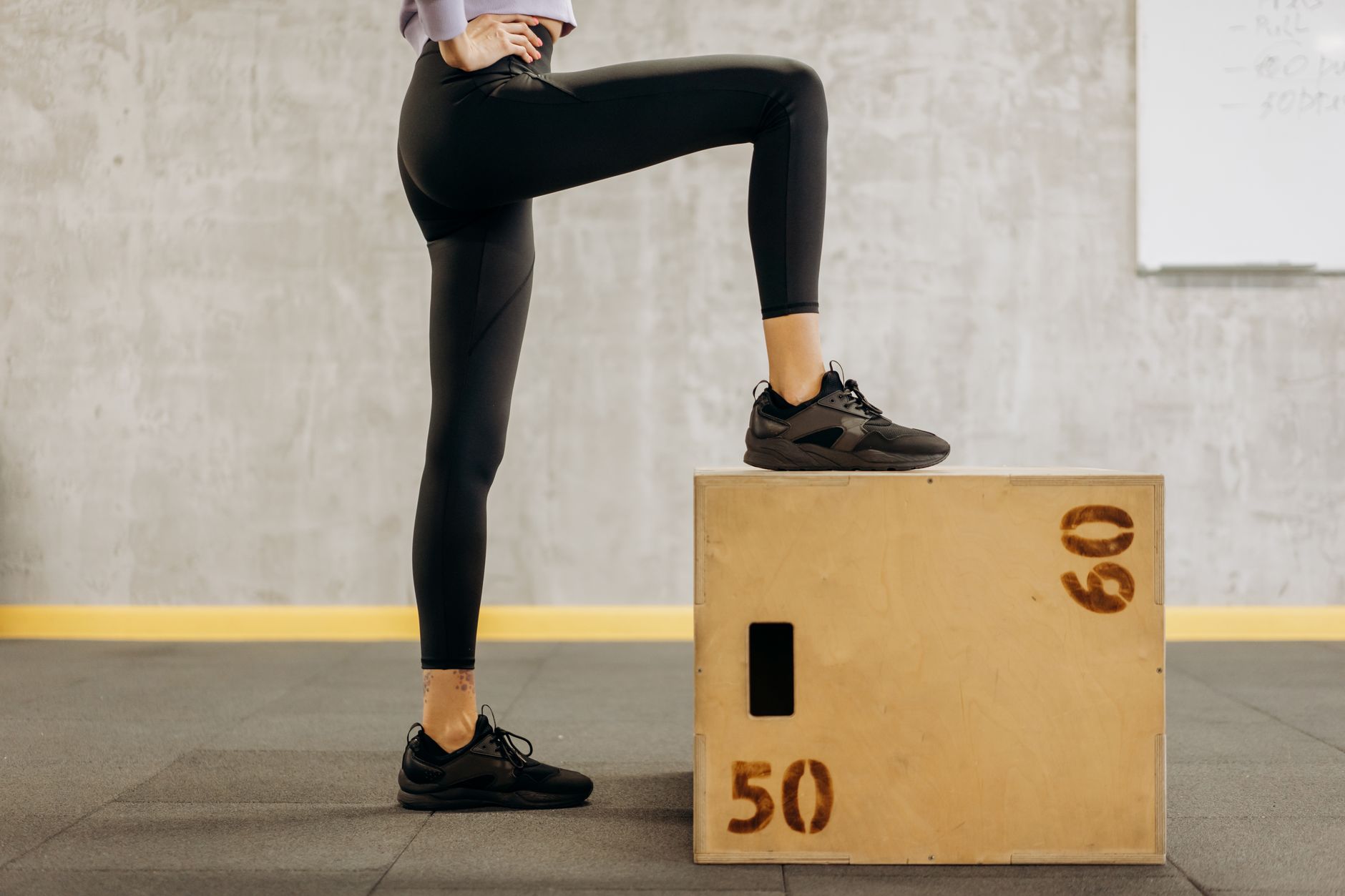
Getting a fresh pair of shoes is one of the best feelings, but the first few wears can quickly turn uncomfortable if you are not prepared. Blisters, soreness, and stiff soles are common complaints, and they happen to almost everyone who skips the break-in process. The good news is that with a little patience and the right approach, you can get your new pair feeling like a second skin without a single blister.
Why New Shoes Need Breaking In
Every new pair of shoes, regardless of how well it fits in the store, starts out stiff. The materials used in the upper, lining, and sole have never conformed to your specific foot shape, and they need time and movement to get there. This is completely normal and not a sign that you bought the wrong size. Brands like Adidas and Nike use high-density foams and reinforced fabrics that are built to last, and that durability means they take a little longer to soften. The heel counter and toe box in particular are designed to hold their shape firmly, which is great for long-term support but tough on your first few outings. Understanding this from the start means you will approach your new purchase with realistic expectations rather than disappointment.
Friction is the direct cause of blisters, and it happens when your foot slides slightly against a lining that has not yet molded to your contours. Areas like the back of the heel, the sides of the little toe, and the top of the foot are most vulnerable during those first wears. Your skin responds to repeated rubbing by forming a fluid-filled blister as a protective measure. The more you wear the shoe, the more the lining softens and grips your foot in a way that reduces that movement. The break-in process is essentially the shoe learning your foot, and giving it time to do so makes all the difference.
Start with Short Wearing Periods
The most reliable method for breaking in new shoes is also the simplest: start small. On the first day, wear your new pair indoors for no more than one to two hours, then swap back to your usual shoes. This short window gives the materials a chance to flex and warm up around your foot without putting prolonged stress on any one area. Indoors is ideal because the surfaces are forgiving and you can take the shoes off the moment something feels off. It also helps you spot problem areas early, before they become actual blisters.
From day two onward, add about thirty minutes of wear each day and pay close attention to how your feet feel throughout. By the end of the first week, most shoes will have softened noticeably and your foot will have adapted to the fit. This gradual approach works well for everything from Timberland boots to Converse canvas sneakers, even though the materials are very different. If at any point you notice redness forming or a sharp rubbing sensation in one spot, take the shoes off immediately and let your skin recover before the next session. Pushing past early warning signs is how a manageable break-in turns into a painful one.
Use Protective Measures for Blister-Prone Areas
Before you even slip on a new pair, it helps to prepare the parts of your foot most likely to suffer. Blister prevention sticks, which look a lot like deodorant sticks, create a thin protective barrier on your skin that reduces friction significantly. Apply them to your heels, the outer edges of your little toes, and anywhere else you have experienced blisters before. Moleskin patches are another excellent option and can be cut to size and stuck directly onto your skin or the inside of the shoe. Both of these products are inexpensive and available at most pharmacies in Nairobi.
Your choice of socks matters more than most people realize. Moisture-wicking socks made from synthetic fibers or merino wool pull sweat away from your skin, keeping the surface drier and less prone to friction damage. A dry foot moves more smoothly against the shoe lining and is also less likely to develop raw spots. Avoid plain cotton socks for the first few wears, as cotton absorbs sweat and holds it against your skin, which actually increases friction over time. If you are breaking in a pair with a particularly firm insole, adding a thin gel insole for the first few sessions can cushion pressure points around the ball of the foot and the arch.
Soften and Stretch Problem Areas
Sometimes a specific part of the shoe feels noticeably tighter than the rest, and that spot needs focused attention. A shoe stretcher is a simple wooden or plastic tool that you insert into the shoe and expand overnight to gently widen a tight area without distorting the shape of the rest of the shoe. This works especially well for leather and faux leather shoes where the material is dense but responsive to sustained pressure. You can find shoe stretchers at most shoe shops and hardware stores around Nairobi. Used consistently over a few nights, a stretcher can resolve a tight toe box or pinching side panel without any heat or moisture involved.
For stiffer materials that need a faster response, the thick socks and hairdryer method is a practical option. Put on your thickest pair of socks, slip on the shoes, and use a hairdryer set to low heat to warm the tight areas for about twenty to thirty seconds at a time while flexing your foot. The warmth makes the material more pliable, and the thick socks hold it in a slightly expanded position as it cools. Keep the dryer moving rather than holding it in one spot, and never use high heat on synthetic materials or glued soles. The heel counter and toe box respond particularly well to this technique, and you will usually notice an improvement within a single session.
Speed Up Break-In with Conditioning
For leather boots and formal shoes, a good leather conditioner is one of the most effective tools you have. Conditioners work by restoring moisture to the leather fibers, which makes them suppler and far more willing to flex with your foot. Apply a small amount with a soft cloth, work it in with circular motions, and let it absorb for several hours before wearing the shoes. This is especially useful for Timberland-style boots where the leather is thick and the break-in period can otherwise stretch over weeks. Regular conditioning also extends the life of the shoe well beyond the break-in phase, so it is a habit worth keeping.
Canvas and synthetic trainers like classic Converse or some New Balance models respond better to a specialized fabric or shoe spray rather than a conditioner meant for leather. These sprays penetrate the weave and slightly soften the fibers without leaving residue or affecting the color. Before applying any product, always test it on a small hidden area first. Beyond sprays and conditioners, you can also loosen stiff areas simply by flexing and rolling the shoe in your hands for a few minutes before each wear. Bending the sole back and forth and pressing in on the heel counter by hand gets the materials moving before your foot has to do all the work.
Walking around indoors on a carpeted surface before taking new shoes outside is a small step that pays off noticeably. Carpet provides gentle resistance that helps the sole flex naturally while keeping the upper warm and pliable. It also lets you feel exactly how the shoe moves with your foot in a low-risk environment. After a couple of indoor sessions, most shoes are ready for a short outdoor walk, which is the next stage of the process. Taking this order seriously, indoors first then outdoors, protects both your feet and the soles of your shoes during the most vulnerable stage of the break-in.
Know When to Return or Exchange
There is an important difference between the normal discomfort of breaking in a new shoe and genuine pain caused by a poor fit. Some tightness and mild pressure during the first few wears is expected. Stabbing pain, numbness in your toes, or blisters that keep returning in the same spot after a full week of gradual wear are signs that the shoe is simply the wrong size or shape for your foot. No amount of breaking in will fix a shoe that is fundamentally the wrong fit, and continuing to wear it will only cause injury. It is always worth acknowledging this early rather than after several painful sessions.
If you ordered from Jojo Shoes and find that your pair is not working out after a proper break-in attempt, check our return and exchange policy so we can help you find the right fit. Sizing can vary slightly between brands, and what works in one Nike model may not translate directly to an Air Jordan or a New Balance. Reaching out to us before your second week of wear gives you the best chance of a smooth exchange. We deliver countrywide, so sorting out a size issue is straightforward no matter where in Kenya you are based.
Severe pain is never something to push through in the hope that shoes will eventually conform to your foot. A shoe that causes sharp or persistent discomfort is telling you something specific, and listening to it early saves you from blisters, calluses, and longer-term foot problems. Trust the process for mild discomfort, but trust your body when something feels genuinely wrong.
---
Breaking in new shoes does not have to mean suffering through a week of blisters and sore heels. With short wearing periods, the right protective measures, a little conditioning, and patience, most pairs will feel comfortable within seven to ten days. The key is to work with the shoe rather than against it, and to know the difference between normal stiffness and a fit that simply is not right for your foot.
See everything Jojo Shoes can do for you.
Visit Jojo Shoes →