Caring for Leather Shoes: Keep Them Looking New
Proper leather shoe care extends the lifespan of quality footwear like Timberland and Adidas sneakers. Daily wiping with soft cloth, monthly deep cleaning with leather-specific products, and conditioning every three to six months preserve leather's suppleness, comfort, and appearance. Avoid soaking, excessive heat, and harsh cleaners to prevent cracking and deterioration.
See everything Jojo Shoes can do for you.
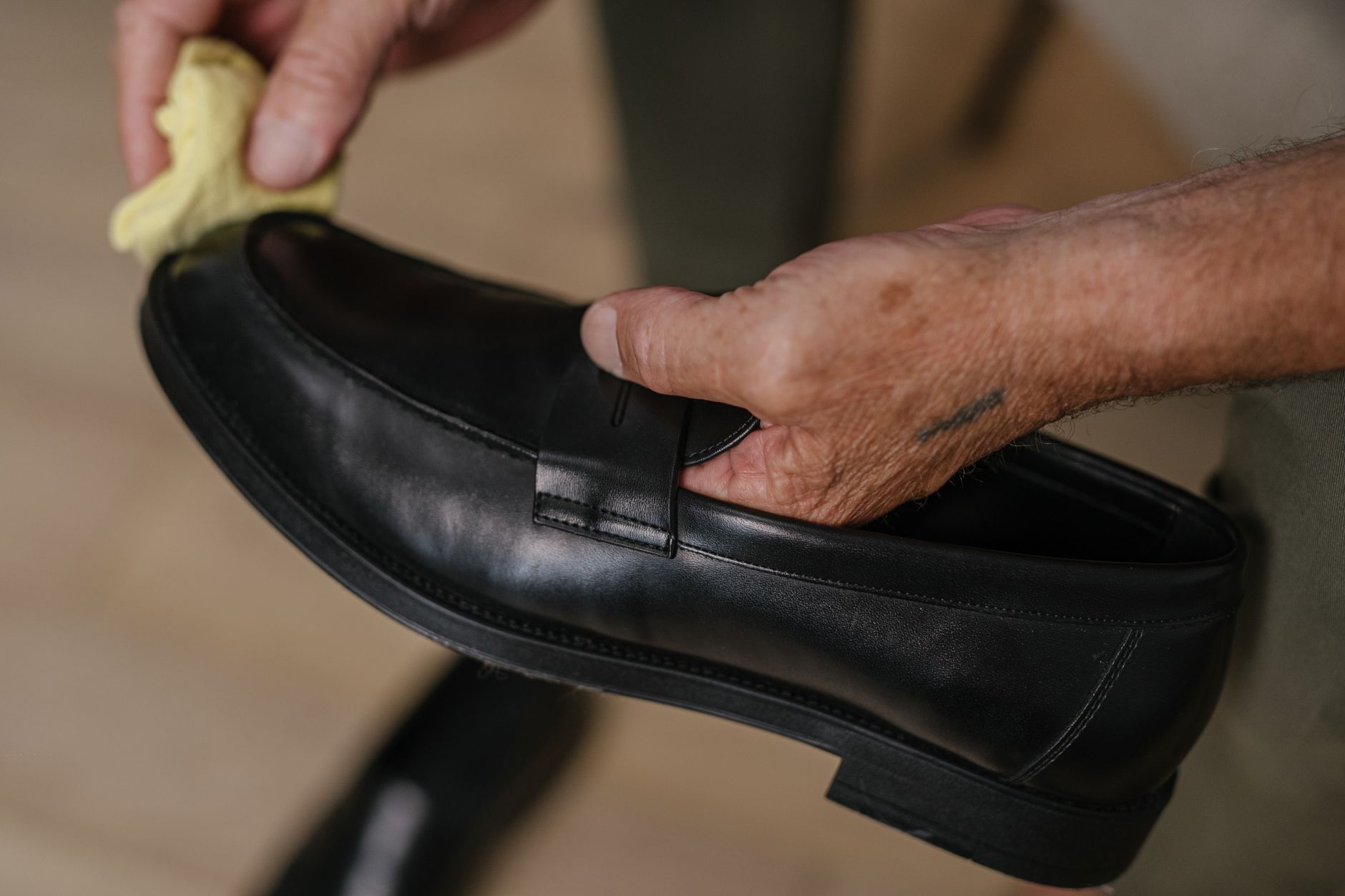
If you have spent good money on a pair of Timberlands or leather Adidas sneakers, you already know the feeling of pulling them out of the box for the first time. The leather is smooth, the colour is rich, and everything feels just right. Keeping them that way is not complicated, but it does require a little consistency and the right technique.
Why Leather Shoe Care Matters
Quality leather shoes are not a casual purchase. A well-made pair from a brand like Timberland or Adidas can last several years when properly maintained, which means you are paying less per wear over time than you might realise. Leather that is neglected, on the other hand, cracks, fades, and loses its shape within months. Beyond looks, worn-down leather stops providing the support and comfort it was designed to offer. The small effort you put into care is what separates a shoe that looks good for two years from one that looks tired after six months. Think of maintenance as protecting the value of something you already own.
Well-cared-for leather also simply feels better on the foot. The material stays supple and moulds comfortably to your foot shape rather than becoming stiff and rigid. Anyone who has worn a neglected leather shoe knows how quickly it starts to feel like a chore. Regular care keeps the fibres of the leather flexible, which directly affects comfort during long days. It also means you are not constantly shopping for replacements, which saves money and reduces waste. Maintaining your shoes is one of the most practical things you can do as a footwear owner.
Daily and Weekly Cleaning Routine
After every wear, take thirty seconds to wipe your shoes down with a soft, dry cloth. This removes the dust, light dirt, and surface debris that accumulate throughout the day before they have a chance to settle into the leather grain. It sounds simple because it is, but skipping this step consistently is one of the most common reasons leather shoes age faster than they should. A microfibre cloth or a clean cotton rag both work well for this purpose. Keep one near your shoe rack so the habit is easy to follow through on.
For marks that a dry cloth cannot shift, a slightly damp cloth will do the job. Dampen it, not soak it, and work on the specific spot with gentle pressure. Once you have lifted the mark, use a dry cloth immediately to absorb any remaining moisture from the surface. Leaving water sitting on leather, even briefly, can cause staining or softening of the material. The goal is to deal with the mark quickly and then remove all moisture just as quickly.
One rule that experienced shoe owners repeat often is this: never soak leather. Submerging leather shoes in water or using a soaking wet cloth causes the fibres to swell, weakens the adhesive in the sole, and can permanently distort the shape of the shoe. If your shoes get caught in Nairobi's unexpected afternoon rain, blot the surface dry with a cloth and let them recover at room temperature. Keep them away from direct heat sources like radiators, ovens, or direct sunlight during drying. Heat causes leather to contract unevenly, which leads to cracking at the seams and across the surface.
Deep Cleaning for Leather Shoes
Once a month, your leather shoes benefit from a more thorough clean than the daily wipe-down provides. A leather-specific cleaner or a mild saddle soap is the right product for this job. These are formulated to lift dirt from the leather without stripping the natural oils that keep the material flexible. Avoid household cleaners, dish soap, or anything with strong solvents, as these break down leather over time. You can find leather cleaners at most shoe shops or online alongside other shoe care accessories.
Before applying any new product to the full shoe, test it on a small hidden area first. The inner back of the heel or a spot under the tongue works well for this. Wait a few minutes to see how the leather reacts to the product, particularly with coloured or suede-adjacent finishes. Some cleaners can lighten certain dyes or leave a residue on specific leather types. This one extra step protects you from accidentally damaging the visible surface of a shoe you care about.
When you are ready to clean, apply a small amount of your leather cleaner to a soft brush or cloth. Work it into the leather using gentle circular motions rather than scrubbing back and forth, which can scratch the surface or push dirt deeper into the grain. Pay extra attention to the areas around the toe box and along the welt where grime tends to collect. Once you have worked through the whole shoe, allow it to dry naturally before moving to the next step. Finish by buffing the surface with a clean, dry cloth to restore a gentle shine.
Conditioning and Protecting Leather
Leather conditioner is what keeps the material from drying out and cracking, especially in Nairobi where temperature changes between dry and rainy seasons can stress leather regularly. Apply a conditioner every three to six months, or more frequently if you wear the shoes often or if the leather starts to look dull and feel stiff. Work a small amount into the surface with a soft cloth, covering the entire shoe evenly. The leather will absorb what it needs and the rest can be buffed away after a few minutes. Conditioning restores the natural oils that daily wear and cleaning gradually remove.
Always condition leather when it is clean and fully dry, never when it is still damp from cleaning or rain exposure. Applying conditioner to wet leather traps moisture inside the fibres, which encourages mould growth and weakens the internal structure of the material over time. Let your shoes dry completely at room temperature first, then condition. This sequence matters and it is worth being deliberate about it.
After conditioning, consider applying a water and stain repellent spray designed specifically for leather footwear. This creates a protective barrier that helps the shoe resist rain, puddles, and accidental spills. Reapply it every few months or after a deep clean, since cleaning naturally removes the previous layer of protection. This step is particularly useful during Nairobi's rainy season when wet roads and matatu splashes are unavoidable. A well-conditioned and protected shoe handles these daily challenges far better than one that has been left bare.
Storage and Common Problem Fixes
Where and how you store your shoes matters more than most people expect. Keep leather shoes in a cool, dry spot away from direct sunlight, which fades colour and dries out the leather even without heat involved. Avoid storing them in plastic bags, which trap moisture and encourage mould. If your shoes came with a box, storing them in it is a reasonable option as long as the box is kept somewhere with good airflow. A dedicated shoe rack in a ventilated area of your home works just as well.
To help leather shoes hold their shape between wears, use cedar shoe trees or stuff them with crumpled newspaper. Leather moulds to the foot during wear and can collapse or wrinkle when left empty, especially in warm conditions. Cedar shoe trees have the added benefit of absorbing moisture and neutralising odour from inside the shoe. Newspaper works in a pinch and costs nothing. Either option is far better than leaving shoes on their sides or stacked on top of each other.
If you notice white residue on your leather shoes after walking through wet streets, you are likely dealing with salt stains. These are common during Nairobi's rainy season when road water carries road salt and other minerals. Mix equal parts white vinegar and water, dampen a cloth with the solution, and gently dab the affected area. The vinegar neutralises the salt without damaging the leather when used in a diluted form. Follow up with your regular conditioning routine once the area has dried.
Scuffs are one of the most common complaints about leather shoes, and the fix is simpler than most people think. A leather cream or polish that matches your shoe's colour can fill and conceal surface scuffs effectively. Apply a small amount with a soft cloth, buff gently, and most light scuffs will blend away. For deeper marks, you may need two or three applications. Keep a small tin of matching polish at home so you can address scuffs quickly before they have a chance to worsen.
When to Seek Professional Help
Some problems are beyond what home care can address, and recognising them early saves you from making things worse. Deep scratches that go through the top layer of leather, sole separation where the upper begins to peel away from the base, or structural warping of the shoe shape are all signs that a professional cobbler should take a look. These are not just cosmetic issues. Left unaddressed, they can make a shoe unwearable and often get significantly harder to fix the longer they are ignored.
Professional leather cleaning services exist for shoes that have become heavily soiled beyond what a monthly home clean can recover. If a pair has been exposed to oil, paint, or deeply ground-in dirt, a professional has the tools and products to restore them without causing further damage. The cost of a single professional clean is almost always less than replacing a quality pair of shoes. It is worth knowing where your nearest cobbler or shoe repair shop is located before you actually need one urgently.
Heels and outer soles wear down naturally with regular use, and a cobbler can replace these components cleanly and at a reasonable cost. This is especially relevant for men's leather dress shoes or women's heeled leather styles where the heel cap wears down quickly on Nairobi's hard pavements. Resoling and heel replacement are among the most common cobbler services and they genuinely extend the functional life of a shoe by years. If you notice uneven wear on the sole or the heel starting to grind down to the midsole, take the shoes in sooner rather than later.
Caring for leather shoes is ultimately about protecting something you value. A consistent routine, the right products, and a little attention to storage will keep your shoes looking sharp and feeling comfortable through years of regular wear. If you are looking for your next pair of quality leather shoes, shop our full range and find styles for men, women, and kids from brands built to last.
See everything Jojo Shoes can do for you.
Visit Jojo Shoes →