Kids' School Shoes: Safety, Comfort, and Style Combined
Jojo Shoes KE stocks quality kids' school shoes from Nike, Adidas, New Balance, Converse, and Timberland designed for growing feet. Proper school footwear provides arch support, breathability, and cushioning for six-plus hours daily wear. Key features include flexible soles, ankle stability, secure fastening systems, and correct fit with thumb-width toe space. Free delivery available in Nairobi.
See everything Jojo Shoes can do for you.
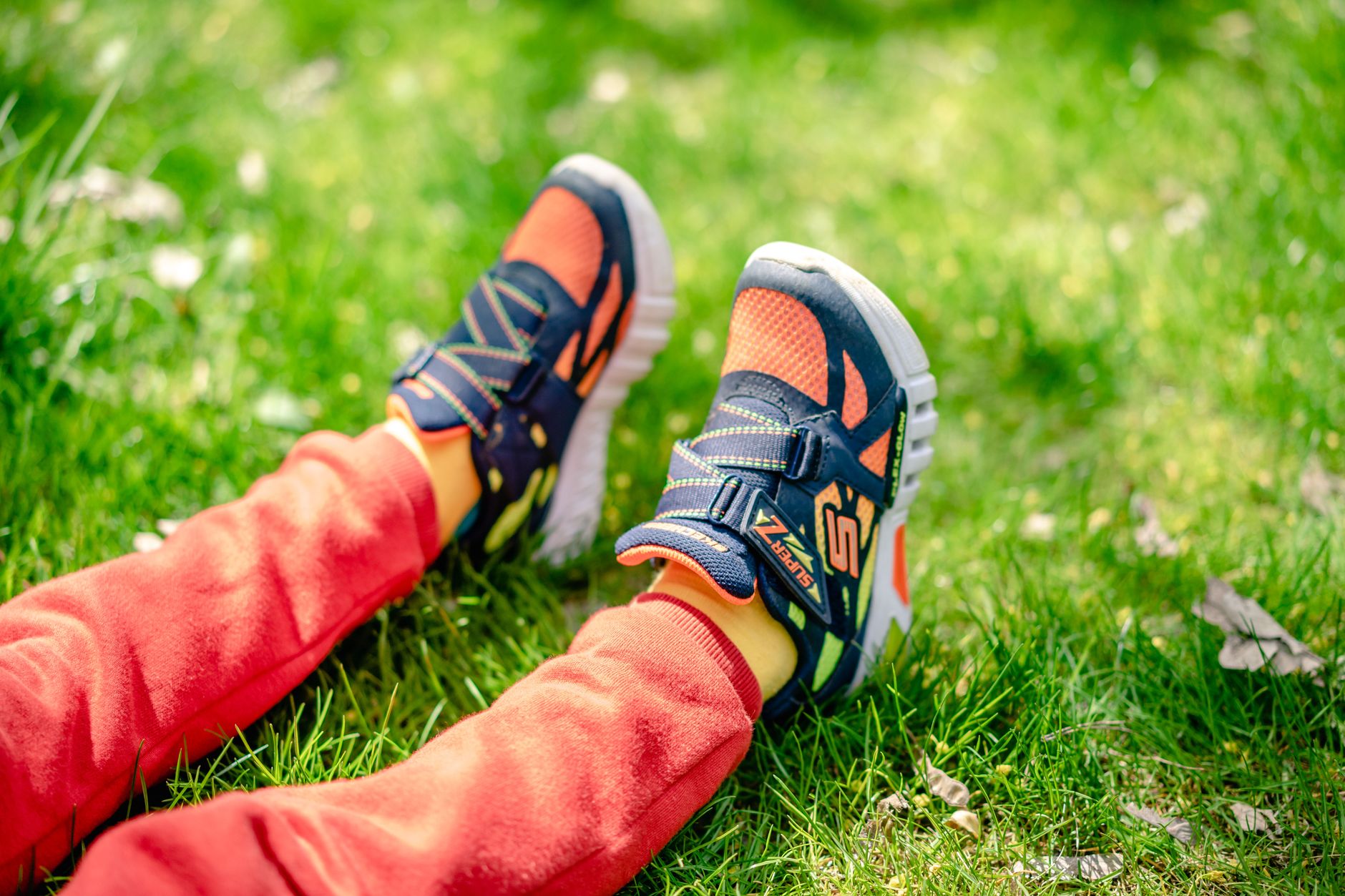
Every parent knows the morning shoe struggle, but the pair your child straps on before heading out the gate matters far more than just getting them out the door on time. The right school shoe supports growing feet through six or more hours of running, sitting, climbing, and everything in between. At Jojo Shoes, we stock trusted brands specifically because we understand that comfort and durability are non-negotiable when it comes to children's footwear.
This article is part of our complete guide: Kids Shoes Nairobi.
Why Proper School Shoes Matter for Growing Feet
A child's foot is not simply a smaller version of an adult foot. The bones, ligaments, and arches are still forming, and the shoes worn daily play a direct role in shaping how that development unfolds. Children who wear poorly structured shoes over months can develop issues with posture and balance that show up long after the shoes are outgrown. Consider that school shoes stay on your child's feet for roughly six to eight hours every weekday, and the importance of quality becomes obvious. A well-built shoe with proper arch support acts almost like a quiet assistant, keeping your child comfortable and stable without them even noticing. When feet feel good, kids focus better and complain less by the time school lets out.
Key Features to Look for in Kids' School Shoes
Cushioning and Sole Flexibility
The first thing worth checking is the insole. A cushioned insole absorbs the repeated impact that comes from playground sprints, jumping, and general childhood enthusiasm. Beyond cushioning, the sole should flex naturally at the ball of the foot when you bend it by hand. A sole that is too rigid forces the foot to work harder with every step, which leads to fatigue and discomfort before lunchtime. Shock absorption is especially important for younger children whose joints are still developing. Think of the sole as the foundation that everything else depends on.
Breathability and Ankle Support
Kenyan school days can get warm, and a shoe made from breathable materials keeps moisture from building up inside. Trapped sweat softens skin over time and increases the chance of blisters and fungal irritation. Look for mesh panels, genuine leather with natural breathability, or treated synthetic uppers that allow airflow. At the same time, the collar around the ankle should offer enough structure to keep the foot stable without gripping so tightly that it restricts natural movement. A shoe that breathes well and supports the ankle correctly will feel comfortable from the first lesson to the last. That combination is worth prioritising above anything decorative.
Fastening Systems
Younger children in lower primary do best with velcro straps, which they can manage independently and adjust without frustration. Older kids often prefer laces, which provide a more secure and customisable fit across the width of the foot. Whichever system you choose, make sure the fastenings are sturdy enough to survive daily school use without fraying or coming loose mid-morning. A shoe that stays securely fastened keeps your child safer on stairs and uneven ground. It also removes one less reason for a teacher to stop the class.
Top Shoe Brands for Kenyan Schoolchildren
Nike and Adidas are the two most requested brands in our kids' range, and for good reason. Both labels invest heavily in sole technology and upper durability, meaning their sneakers hold up against the kind of daily punishment active schoolchildren deliver. Adidas models like the Grand Court and Nike's Court Borough are designed to look clean while performing well across both indoor and outdoor surfaces. Parents in Nairobi consistently report that these pairs last a full term or longer with basic care. For families who want something they can trust, these two brands are a reliable starting point.
New Balance is worth serious consideration if your child has wider feet or tends to complain about shoes feeling tight by afternoon. The brand builds its children's line around a comfort-first philosophy, using wider toe boxes and responsive foam midsoles that accommodate natural foot shape. Several models come with removable insoles, which is a useful feature if your child needs additional support. New Balance shoes may not carry the same playground buzz as Nike, but the comfort trade-off is real and parents notice the difference at pickup time. They are a particularly strong choice for children in the early primary years when feet are growing and changing shape quickly.
Converse All Stars occupy a different space in the range, suited to older children who have strong opinions about how their shoes look. The classic canvas upper is breathable, the price point is accessible, and the style has stayed relevant across generations. Converse is not the most technical shoe on the list, but for upper primary kids attending schools with flexible footwear policies, they offer a smart balance between personality and practicality. Timberland rounds out the selection for families who need something tougher, particularly for schools with unpaved grounds or outdoor activity programmes. The structured support and durable build make Timberland a dependable choice when conditions are harder on shoes.
Getting the Right Fit for Your Child
Timing matters when you are measuring a child's foot for shoes. Feet swell slightly over the course of an active day, so measuring or trying shoes in the afternoon gives you a more accurate picture of how the shoe will feel during school hours. Always leave roughly one centimetre of space between the tip of the longest toe and the end of the shoe, which is approximately the width of your thumb pressed lightly against the front. This gap allows natural toe movement and accounts for a small amount of growth without making the shoe so large that the foot slides forward with each step. A shoe that is too big is just as problematic as one that is too small, because the foot has to grip to stay in place, which causes muscle fatigue and incorrect gait patterns.
Once you have the length right, watch how the heel behaves when your child walks a few steps. If the heel lifts or slips with each stride, the shoe is either too long or the heel counter is too soft for your child's foot shape. A secure heel keeps the foot properly positioned inside the shoe and prevents the rubbing that leads to blisters at the back of the ankle. When shopping online, let your child wear the shoes around the house on a clean floor for an evening before you commit fully. That trial period will reveal any pinching or pressure points before the shoes face a full school day. Planning for growth is sensible, but resist the temptation to buy a size and a half ahead, as oversized shoes undermine the structural benefits you are paying for.
Making School Shoes Last Longer
Rotating between two pairs of school shoes is one of the simplest ways to extend the life of both. Wearing the same pair daily compresses the foam and degrades the materials faster than alternating between two would. If budget allows, buy a second pair at the start of term and switch between them throughout the week. Cleaning shoes weekly with mild soap and a soft brush prevents dirt from breaking down the upper material and stitching over time. Air drying is the only safe method after cleaning, because direct heat from a dryer or heater weakens the adhesive that bonds the sole to the upper, and you will notice the separation before the term is out.
Check the insoles every few weeks by pressing them with your thumb. When they no longer spring back or feel noticeably flat, replace them rather than waiting for your child to start complaining about sore feet. Replacement insoles are inexpensive and can restore significant comfort to a shoe that is otherwise still in good structural condition. Finally, inspect laces and velcro straps monthly, because a lace that is fraying at the tip or an aglet that has come off will snap at the worst moment. Replacing fastenings before they fail is a small effort that keeps the shoes functional and your mornings calmer.
Shop School Shoes at Jojo Shoes
Our kids' range at Jojo Shoes covers Nike, Adidas, New Balance, Converse, and Timberland in sizes from toddler through upper primary. Every pair is sourced for durability and style because we know Kenyan schoolchildren need shoes that can keep up with their days. We offer free delivery within Nairobi and affordable countrywide shipping so that families across Kenya can access quality footwear without travelling to a physical store. If you are unsure about sizing, our team is available to walk you through fit guidance before you place your order, because getting the fit right the first time saves everyone time and disappointment. Visit our kids' shoe collection to browse current stock and find the right pair for your child.
Finding the right school shoe comes down to three things working together: a well-built foundation that supports development, a fit that is accurate and not just approximate, and a brand with a proven track record. When those three elements line up, your child heads to school with one less thing to worry about, and so do you.
See everything Jojo Shoes can do for you.
Visit Jojo Shoes →