Why Kids' Shoe Size Changes So Fast: A Parent's Guide
Children's feet grow rapidly—sometimes outgrowing shoes in months. Learn how often to check size, what to watch for, and how to shop smart.
See everything Jojo Shoes can do for you.
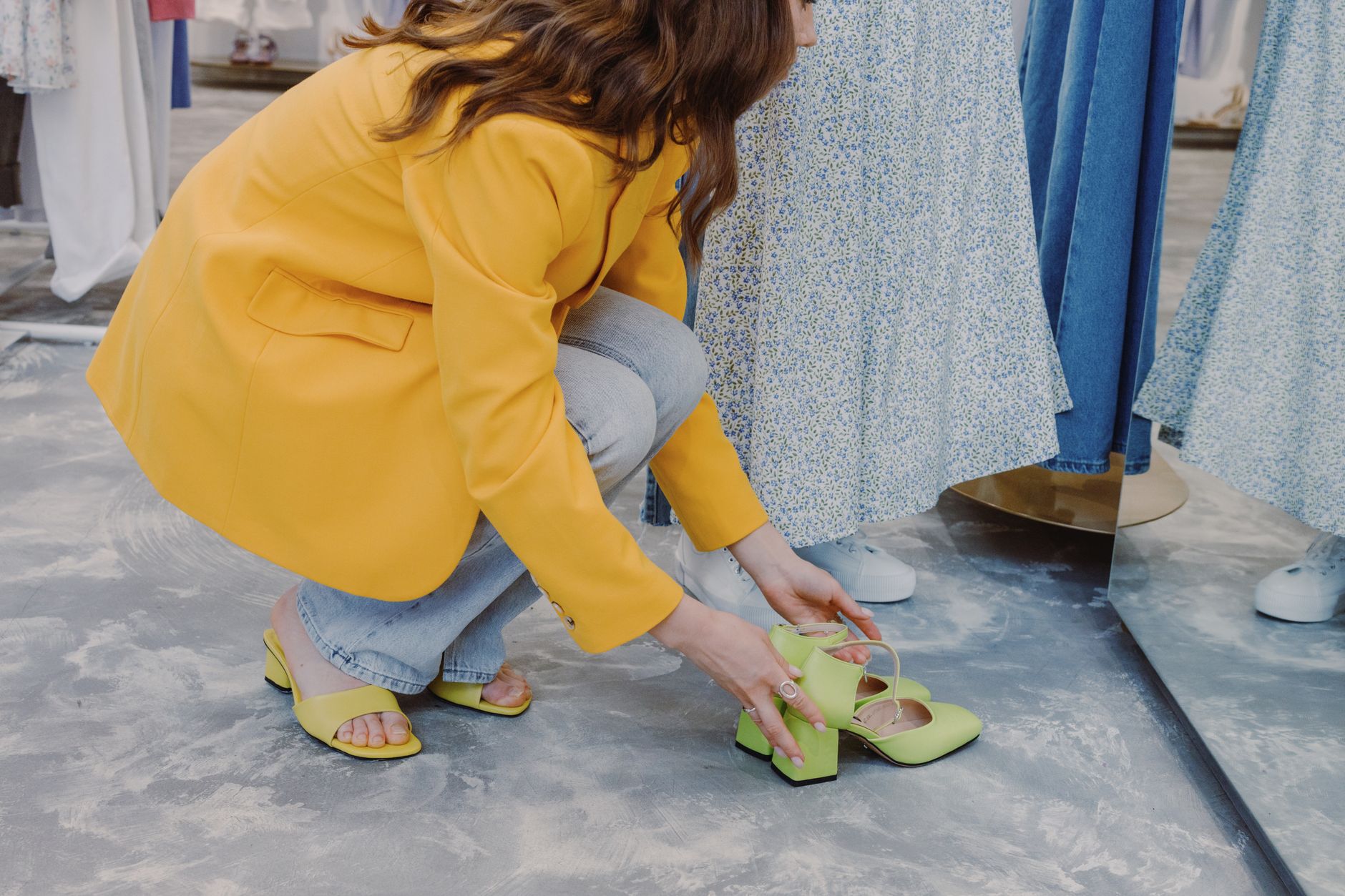
If you have ever bought your child a pair of shoes only to find they no longer fit two months later, you are not imagining things. Children's feet grow at a pace that can genuinely catch parents off guard, and buying the wrong size at the wrong time costs money and causes real discomfort. This guide breaks down exactly what is happening, what to watch for, and how to shop more confidently for your growing child.
This article is part of our complete guide: Kids Shoes Nairobi.
How Quickly Do Children's Feet Actually Grow?
Toddlers and preschoolers are in the fastest growth window of their lives, and their feet reflect that. A child between ages one and four can move through a full shoe size every three to four months, which means a pair bought in January may already feel tight by April. School-age children slow down slightly, typically growing half a size to a full size every four to six months. Even at that pace, you are likely replacing shoes two to three times a year. Growth spurts add another layer of unpredictability, because some months will bring no measurable change while others jump an entire size seemingly overnight. Tracking your child's shoe size over time is the only reliable way to stay ahead of these changes.
Girls tend to reach their adult foot size around age thirteen, while boys often continue growing until around sixteen. However, the earliest years, from birth through primary school, are when the pace is truly relentless. Understanding that this growth is completely normal helps you plan your budget and shopping schedule around it rather than being constantly surprised. The good news is that once you build a rhythm around measuring and replacing, the process becomes much less stressful.
Signs Your Child Has Outgrown Their Shoes
The clearest sign that shoes no longer fit is toes pressing against or curling at the front of the shoe. When you press the tip of the shoe and feel very little or no gap between the toe and the material, it is time to size up. Children do not always complain, especially younger ones who may not have the vocabulary to explain that their feet hurt. Watch for behavioural signals like a sudden reluctance to wear a particular pair, or complaints of sore feet after short walks. Redness, blisters, or calluses forming on the toes or heels are physical signs that the shoe has been rubbing in the wrong places for some time. These are not minor issues, as ongoing pressure on developing feet can affect posture and gait.
Tripping or stumbling more than usual can also indicate a poor fit, often because the child is compensating for tight shoes by adjusting how they walk. Check the wear pattern on the sole as well, since uneven wear along one edge often points to the foot not sitting correctly inside the shoe. Catching these signs early prevents discomfort from becoming a longer-term problem. A quick visual check every few weeks is a small habit that makes a meaningful difference.
How to Measure Your Child's Feet at Home
Measuring at home is straightforward and more accurate than guessing in a shop, especially when you are shopping online. The best time to measure is in the afternoon or evening, when feet are at their natural, slightly swollen size from a full day of activity. Have your child stand upright on a flat surface with their regular socks on, then place a sheet of plain paper under the foot and trace carefully around the entire outline. Measure from the back of the heel to the tip of the longest toe, which is not always the big toe. Add between half a centimetre and one centimetre to that measurement to allow for growth room and comfortable movement. Write down the number rather than trusting your memory, especially if you are shopping a few days later.
Many children have one foot that is slightly larger than the other, so measure both and always buy for the bigger foot. If there is a significant difference, it is worth noting when ordering so you can check the brand's fit notes. During the fastest growth years, remeasure every two to three months so your records stay current. Keeping a small notebook or a note on your phone with measurement dates and sizes makes it easy to spot patterns and time your purchases better.
Shopping Smart for Growing Feet
When you find the right size, leave a thumb's width of space between the tip of the longest toe and the end of the shoe, which works out to roughly half a centimetre to one centimetre. That gap gives the foot room to move naturally and allows a little growth before the shoe becomes too small. Brands that offer half sizes give you more precision, which matters when your child is sitting right between two full sizes. Adjustable fastenings, such as straps with multiple positions or proper lace-up designs, let you fine-tune the fit as the foot changes shape over the months you own the shoe. Materials also matter more than people expect. Leather and quality canvas hold their shape better than very cheap synthetic options, which tend to stretch unevenly and wear through quickly.
Shopping at Jojo Shoes lets you measure at home first, then browse our range of kids' styles from Nike, Adidas, New Balance, and more, all available with countrywide delivery across Kenya. You are not limited to what is physically in stock in Nairobi on any given day, which means you can find the right size in the right style without rushing or compromising. Ordering online also means you can take your time comparing options without a tired child losing patience beside you. Once you know your child's measurements, the whole process becomes much quicker and more reliable.
Budget-Friendly Approach to Kids' Shoes
It can be tempting to buy a size or two ahead to save future trips, but this strategy often backfires. A shoe bought for a four-year-old may be unwearable by the time they are four and a half, either because the style has worn out waiting in the box or because the size jump skipped over a size they needed. A smarter approach is to buy shoes that fit well now with appropriate growth room, and plan to replace them within a realistic timeframe. Mid-range brands from well-known names tend to offer the best balance of quality and value. They are durable enough to last the months your child will actually wear them, without the premium price of a shoe they will outgrow regardless.
At Jojo Shoes, our kids' section carries brands like Nike, Adidas, New Balance, and Timberland, all of which are built to handle active children through full school terms and beyond. If you have more than one child, it is worth checking whether a bulk order qualifies for our free delivery offer, since shipping costs can add up across multiple purchases. Outgrown shoes in good condition can be passed along to younger siblings, cousins, or neighbours, which helps recover some of the cost. Building a small network of other parents for shoe swaps is genuinely practical at this stage of your child's life.
When to Shop: Timing Your Purchases
The most predictable growth spurt window in Kenya tends to align with the start of the school year, when children are also eating more and becoming more physically active. Buying shoes a few weeks before a new term begins is smart, because it gives you time to get the right size delivered and broken in before daily school wear begins. Do not wait until a shoe is clearly too tight, because by that point your child has already been walking and standing in discomfort for some time, and posture and walking habits can be affected. Keeping a note of when you last bought a pair and the size you purchased makes it easy to estimate when the next change is likely due. If you bought in January at a certain size, a four to six month check-in in May or June is a reasonable habit.
Ordering online through Jojo Shoes means you are not limited to what is available in Nairobi at any given moment, since we deliver countrywide to wherever you are in Kenya. This is especially useful if you live outside Nairobi and have previously found it difficult to access trendy brand options locally. Popular styles and sizes in kids' shoes can sell out quickly, so ordering in season while your child is still in that size is much better than waiting and finding the style is gone. Tracking your purchase dates and remeasuring regularly gives you enough lead time to shop without pressure.
Keeping up with how fast your child's feet grow is genuinely one of the more practical parenting challenges, but once you build a routine around measuring, watching for signs, and timing your purchases, it becomes second nature. At Jojo Shoes, we stock a wide range of kids' footwear from the brands Kenyan families trust, and we deliver across the country so the right pair is never out of reach. Measure today, order with confidence, and give your child's feet the room they need to grow.
See everything Jojo Shoes can do for you.
Visit Jojo Shoes →