Guide to Choosing Kids' Shoes That Support Active Play
Active children need shoes with proper cushioning, arch support, breathable mesh, flexible soles, and reinforced toe boxes to prevent discomfort, poor posture, and injury during play. Measure feet in the evening with a thumb's width buffer for growth. Brands like Nike and Adidas offer supportive designs essential for developing feet and high-impact activities.
See everything Jojo Shoes can do for you.
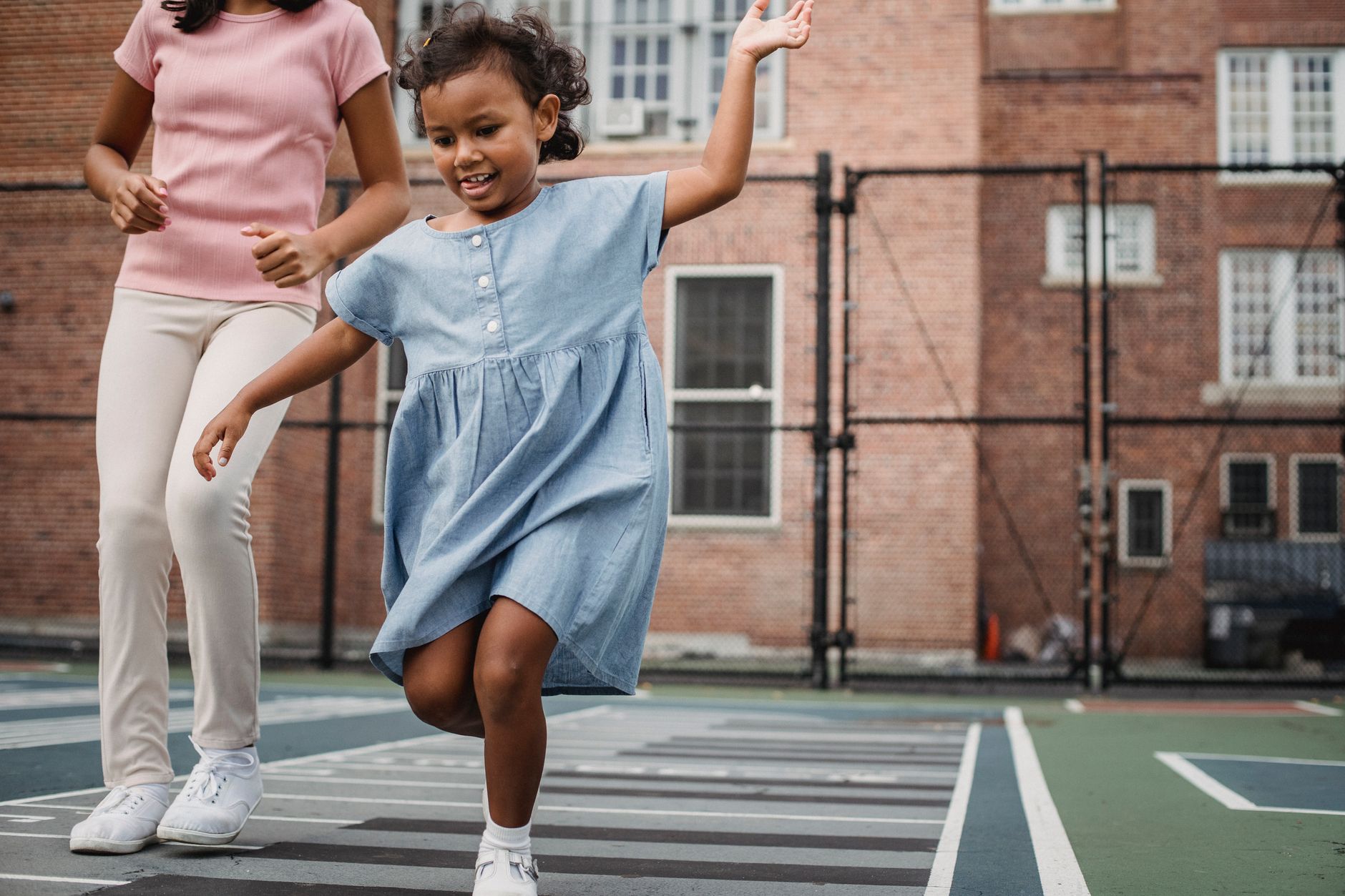
If you have an active child, you already know how fast they can wear out a pair of shoes. What you might not know is how much the wrong shoe can quietly hold them back, causing discomfort, affecting their posture, and even slowing them down on the field or playground. Choosing the right kids' shoe is less about picking the coolest color and more about understanding what a growing foot actually needs. This guide walks you through exactly that, so you can shop with confidence for your little ones.
This article is part of our complete guide: Kids Shoes Nairobi.
Why Proper Shoe Fit Matters for Active Kids
Children's feet grow faster than most parents expect, sometimes jumping a full size every three to four months. A shoe that fit perfectly in January may be cramping little toes by April, and a child rarely complains until the discomfort becomes serious. Poor fit does not just cause pain. It affects the way a child walks and stands, which over time can lead to poor posture and uneven gait. The good news is that catching size changes early and replacing shoes promptly is one of the simplest things you can do for your child's physical wellbeing.
Active kids spend a lot of time running, jumping, climbing, and landing hard on unforgiving surfaces. Supportive shoes absorb the shock from those repeated impacts and reduce the strain passed up through the ankles and knees. Without that support, children tire more quickly and are more likely to roll an ankle or develop knee soreness. Sports activities in particular demand a shoe that can keep up with sudden direction changes. A well-fitted, supportive shoe gives your child the freedom to play hard without paying for it later.
Fit also has a direct effect on skin health. Shoes that are too tight rub against the heel and sides of the foot, causing blisters that can become painful enough to stop play entirely. Shoes that are too narrow over time encourage ingrown toenails, a genuinely uncomfortable condition for anyone, let alone a child trying to enjoy recess. Foot fatigue sets in much faster when a shoe does not match the shape of the foot it is carrying. Getting the fit right from the start protects your child from all of these avoidable problems.
Key Features to Look for in Activity Shoes
The first thing to check inside any kids' activity shoe is the cushioning under the heel and along the arch. Good cushioning absorbs the energy from each footstrike so the joints above do not have to. Arch support is equally important because children's arches are still developing, and a flat or unsupportive insole can encourage flat-footedness over time. Brands like Nike and New Balance invest heavily in midsole technology, and that investment shows up in how a child feels after a full afternoon of play. Look for a midsole that springs back when you press it rather than staying compressed.
Active play means sweaty feet, especially in Nairobi's warmer months. A shoe made from breathable mesh or perforated materials allows air to circulate, keeping the foot cooler and reducing moisture buildup. Moisture leads to odor, fungal infections, and skin irritation, none of which you want your child dealing with. Synthetic leather uppers look smart but trap heat, so reserve them for casual occasions rather than playground use. Mesh uppers paired with moisture-wicking sock liners are the most practical combination for everyday active wear.
The sole of a kids' activity shoe should bend easily at the ball of the foot when you flex it by hand. A sole that is too rigid prevents the foot from moving naturally through each step, forcing the ankle and knee to compensate. Too flexible, however, and the shoe provides no structure at all. The sweet spot is a sole that bends forward near the toes but holds firm in the midfoot. You can test this in about five seconds before placing an order by checking product descriptions that mention flexibility or outsole construction.
Finally, look at the toe box and the heel counter. The toe box should be wide enough to allow the toes to spread slightly during landing, and a reinforced cap at the front protects against the inevitable stubbed toe on a concrete step. A firm heel counter, the stiff piece cupping the back of the heel, keeps the foot from slipping and rolling inward during lateral movement. These two structural features contribute heavily to how long a shoe actually lasts. A shoe with both will outlast one without them, even if the uppers look identical.
How to Measure Your Child's Foot for Online Shopping
The best time to measure a child's foot is toward the end of the day. Feet swell slightly with activity and heat throughout the day, so an evening measurement gives you the largest realistic size your child's foot reaches. Measuring first thing in the morning can lead you to buy shoes that feel tight by afternoon. Have your child stand upright on a flat surface when taking the measurement, because the foot spreads under body weight in a way it does not when lifted. A sheet of paper, a pen, and a ruler are all you need.
Once you have the foot length, add a thumb's width of space between the end of the longest toe and the inside tip of the shoe. That gap, roughly 1 to 1.5 centimeters, allows the foot room to flex and also accommodates a small amount of growth. Shoes purchased with no spare room tend to pinch within weeks. This buffer is a standard sizing principle across Nike, Adidas, New Balance, and the other brands we carry, so it applies no matter what you are ordering.
Do not forget to measure width as well as length. Some children have naturally narrow feet and swim in standard-width shoes, while others have wide feet that spill over the insole of a regular fit. New Balance in particular offers width options that other brands do not, making it a strong choice if your child consistently complains that shoes feel tight across the top. Checking customer reviews that mention fit width is also helpful when shopping online, since real parent feedback often flags whether a particular style runs narrow or generous.
Because children's feet grow so quickly, plan to remeasure every three to four months rather than waiting for a complaint. Set a reminder on your phone the way you might for a school uniform check. Catching a size change early means you replace shoes before they cause discomfort rather than in response to it. Staying ahead of growth is the single most cost-effective habit a parent can build around kids' footwear.
Best Brands for Kids' Activity Shoes at Jojo Shoes
Nike and Adidas are the two brands most parents reach for first, and for good reason. Both offer consistent cushioning, reliable sizing, and a wide range of styles that children actually want to wear, which matters more than adults sometimes admit. Nike's rubber outsoles grip well on both indoor and outdoor surfaces, while Adidas Cloudfoam midsoles provide a noticeably soft landing for smaller bodies. Both brands update their kids' lines regularly, so there is always a fresh option available. For everyday school wear and general playground use, either brand is a dependable choice.
New Balance sits in its own category when it comes to arch support. Parents whose children have been flagged by a pediatrician for flat arches or overpronation often find that New Balance fits those feet better than the more fashion-forward brands. The wider toe boxes in many New Balance styles also suit kids who have inherited broader feet. If your child complains of tired feet after school or sports practice, switching to New Balance is often the first and most effective fix. We stock several New Balance styles for children at Jojo Shoes, and they tend to be popular with parents who have already been through the trial and error of other brands.
Converse deserves an honest mention because children love them and parents buy them often. The flat, thin sole and canvas upper are perfect for relaxed weekend outings and casual dress. However, Converse offers very little cushioning and essentially no arch support, which makes them a poor choice for a full day of running around or any structured sport. They are not a bad shoe; they are simply the wrong tool for intense activity. Think of them as the shoe your child wears to a birthday party rather than to football practice.
Signs Your Child Needs New Shoes
The most direct signal is a child who starts complaining about foot pain, heel soreness, or toe cramping during or after activity. Children are not always great at connecting the discomfort to the shoe, so they might say their feet hurt without being specific. Pay attention to whether the complaint appears during active play and disappears when they are resting. Heel pain in particular can signal that the shoe no longer has enough cushioning or that the heel counter has collapsed. Any recurring complaint about feet is worth investigating at the shoe level first.
Turn the shoe over and look at the outsole. Uneven wear, especially if one side of the heel is worn down significantly more than the other, tells you the shoe has been working harder than it should to compensate for something. Even wear across the heel and forefoot is normal, but worn-through patches or deep grooves on a part of the sole that should be intact mean the shoe's structure is compromised. A compromised outsole affects grip, stability, and how the foot lands, all things that matter for an active child. Replace rather than repair at that point.
Sometimes the growth is visible even before the child says anything. You might notice the toe area of the shoe bulging, or the shoe's heel slipping off easily despite being laced properly. If your child has worn a pair for only two to three months and is already showing these signs, that is a normal and healthy reflection of how fast growing feet work, not a sign that the shoe was poor quality. Plan for this pace of replacement rather than being caught off guard. Buying a size up with that thumb's width of spare room buys you a little extra time with each pair.
Blistering or redness on the heel or along the side of the foot is a clear sign that the shoe no longer fits the foot it is supposed to protect. When a shoe is too tight, it rubs with every step, and the skin eventually breaks down. Catching this early means treating a blister rather than an infection. Check your child's feet periodically, not just when they complain, because younger children especially may not connect skin soreness to the shoe. A quick look during bath time once a week is all it takes.
Making the Most of Free Delivery
Shopping for kids' shoes online carries the natural worry of getting the fit wrong, but our delivery and exchange process is designed to take that anxiety away. If a pair arrives and the size is off, you can arrange an exchange without making it a stressful experience. Ordering with that confidence changes the way you shop, allowing you to try the size that the measurements suggest rather than defaulting to a size up out of fear. Most of the time, careful measurement leads to a correct fit on the first order. When it does not, the process of sorting it out is straightforward.
For customers in Nairobi, free delivery within town means a replacement pair can reach you quickly if the first does not work out. There is no long wait between realizing the fit is wrong and getting your child into shoes that work. This speed matters especially when school or sports commitments mean your child cannot wait weeks for the right pair. Roysambu, Westlands, Karen, Eastlands, and everywhere in between falls within our Nairobi delivery zone, so most customers in the city receive their orders without delay.
Countrywide shipping means that families in Mombasa, Kisumu, Eldoret, Nakuru, and every other part of Kenya can access the same range of brands and sizes that Nairobi customers enjoy. Active kids do not only live in the capital, and finding quality shoes locally in smaller towns can be genuinely difficult. Ordering online and having the right pair delivered to your door levels that playing field. Whether your child plays football on the coast or runs around a yard in the Rift Valley, properly fitting shoes from brands that support active movement are within reach.
The right shoe does not have to be a complicated decision. Measure accurately, look for the features that match your child's activity level, and pay attention to the signs that tell you when it is time for a new pair. With the right information and a store that delivers anywhere in Kenya, keeping your child in shoes that genuinely support how they move becomes one of the easier parts of parenting an active kid.
See everything Jojo Shoes can do for you.
Visit Jojo Shoes →