Lightweight Running Shoes for Women in Nairobi: Nike, Adidas, New
Your shoes could be the reason your legs feel heavy by kilometre three on Nairobi roads. This post compares lightweight Nike, Adidas, and New Balance options so you can find the right fit for your training and get it delivered across Kenya.
See everything Jojo Shoes can do for you.
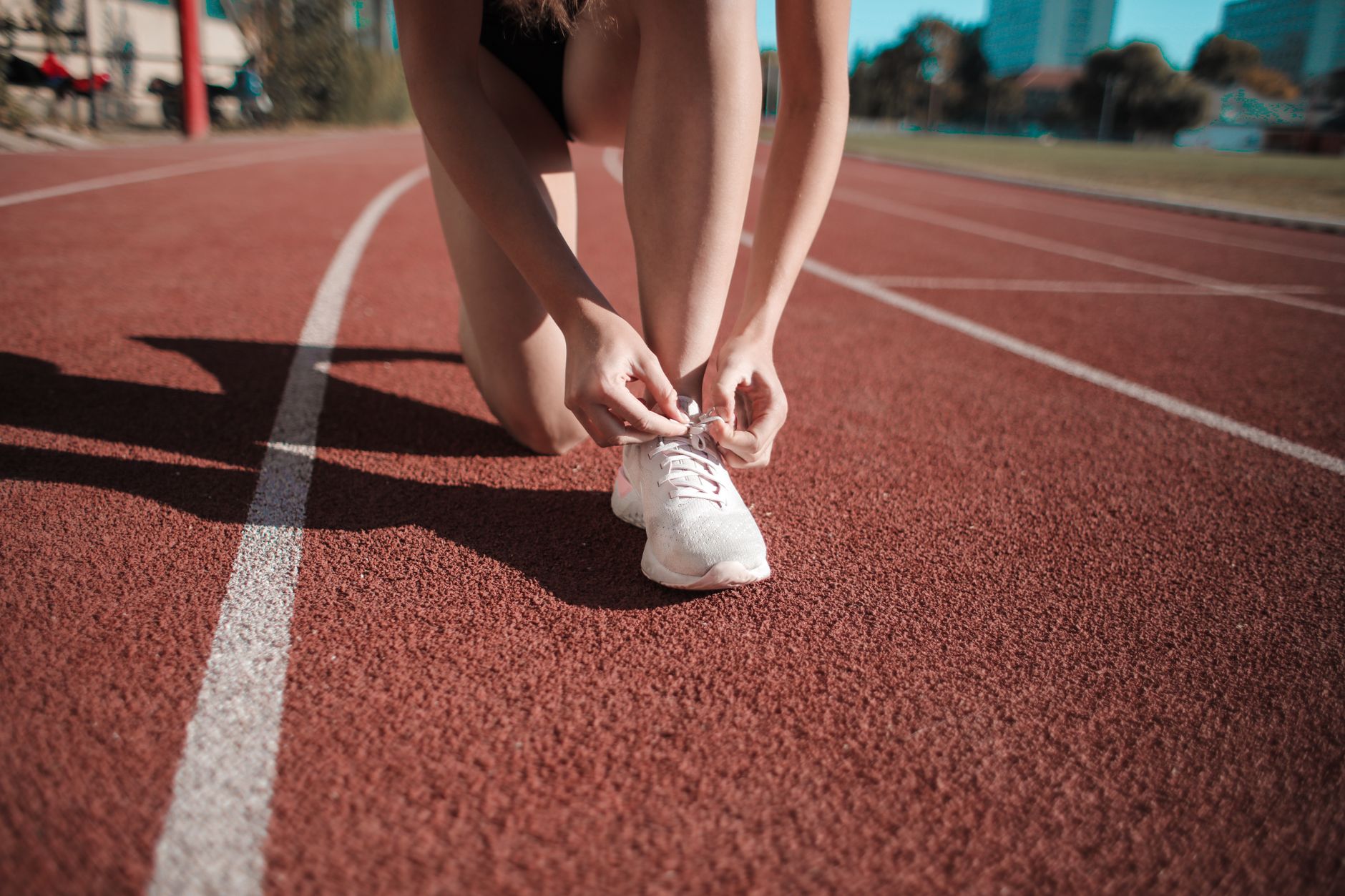
If you have been logging kilometres on Nairobi's roads and tracks and your legs feel heavy by the third kilometre, your shoes may deserve a closer look. Lightweight running shoes women Nairobi runners are choosing right now are designed to shave grams off every step, which adds up to real energy savings over a long run. The difference between a 180 gram shoe and a 150 gram one feels small in your hand but significant after ten kilometres of tarmac, gravel, and the occasional pothole. If you are exploring running shoes for women kenya, you already know there are dozens of options across brands, fits, and price points, which makes narrowing down by weight a smart starting point. This post cuts through the noise and compares the lightest options from Nike, Adidas, and New Balance so you can make a confident choice and get moving.
Why Weight Matters on Nairobi Roads
Most women who take up running focus on cushioning and colour before they ever think about shoe weight, but weight is one of the most direct factors affecting how tired your legs feel at the finish line. Nairobi's terrain is genuinely varied: you might start a morning run on a smooth tarmac road in Westlands, hit a gravel stretch through Karura, and finish on a cracked pavement back in Roysambu. Each surface change demands a little extra from your legs, and a lighter shoe means your muscles are doing less work just to lift your foot off the ground. Research among amateur runners consistently shows that reducing shoe weight by 100 grams can improve running economy by about one percent, which translates to meaningful time savings in a 10K or half marathon. When you are chasing a personal record or simply trying to finish a long run without your calves cramping, every small advantage counts.
Understanding shoe weight also helps you plan your training more intelligently. A runner who uses one shoe for every session, from easy recovery jogs to hard track intervals, is asking a single piece of equipment to do very different jobs. Using a lighter shoe on speed days and a slightly heavier, more cushioned trainer on recovery days is a strategy that elite runners have followed for years, and it works equally well for recreational runners in Nairobi. The practical result is that your race day shoe stays fresher for longer because you are not grinding it down on slow kilometres, and your legs get the support they need when the pace is gentle. Thinking about your shoe rotation in terms of weight as well as cushioning gives you a more complete toolkit for whatever training cycle you are in.
Lightweight Running Shoes Women Nairobi Love: Nike Options
Nike has built its reputation for speed partly on its obsession with cutting gram after gram from its performance footwear. The Vaporfly and Alphafly lines tip the scales at roughly 150 grams, making them among the lightest race day shoes on the market for women. These shoes use a carbon fibre plate sandwiched inside a ZoomX foam midsole, which delivers a propulsive, spring-like feel on tarmac surfaces like those you find along Mombasa Road or Thika Superhighway. For daily training where you want something lighter than a traditional trainer but still forgiving on longer recovery runs, the Nike Pegasus is worth considering because its air mesh upper keeps your foot cool during Nairobi's midday heat without adding unnecessary bulk. Women runners who train through different conditions report that Nike lightweight running shoes hold their structure well even after months of hard use on Nairobi roads.
The Nike Streakfly is another option worth knowing about, sitting closer to 150 grams and designed specifically for runners who want race day performance at a slightly more accessible price point than the Vaporfly. Its flat, low-profile sole gives you a close-to-ground feel that many runners prefer for track sessions and shorter road races. The mesh upper is minimal by design, which keeps weight down but also means you will want to wear well-fitted socks to prevent any irritation on longer runs. Nike's sizing tends to run slightly narrow, so if you have a wider foot, try before you commit or check the fit notes carefully when ordering. Knowing the specific model you want before you order, rather than choosing by brand alone, will help you get the right shoe for your foot type the first time.
Nike Fit and Sizing Notes for Kenyan Runners
Nike race shoes are generally cut for a snug, performance fit that holds your foot securely during fast efforts. Women with a standard or narrow foot shape tend to find Nike lightweight models very comfortable straight out of the box, with little break-in time needed. If your foot is wider across the forefoot, the Pegasus range offers a slightly more generous fit than the Vaporfly or Streakfly, making it a better choice for everyday training kilometres. Trying on multiple sizes rather than assuming your regular size translates directly across all Nike models is always a good idea, because fit can vary between lines. A shoe that fits well from the first run will serve you far better over a full training cycle than one you are constantly adjusting in your mind.
Adidas Lightweight Options Built for Speed
Adidas has its own answer to the need for speed in the form of the Adizero range, which includes shoes that come in under 160 grams for women's sizes. The Adizero Boston and Adizero Adios models are built specifically for tempo runs and race days, using Lightstrike Pro foam that is engineered to be both light and responsive underfoot. One feature that makes Adidas particularly well suited to Nairobi conditions is the Continental rubber outsole, which grips wet road surfaces reliably without the outsole adding extra weight to the shoe. Nairobi's long rains and short rains seasons mean you will almost certainly be running on wet tarmac at some point, and losing your footing mid-stride is a quick way to lose time and confidence. Women runners in Kenya report that the snug, sock-like fit of many Adizero models prevents the internal slipping that can cause blisters during faster efforts.
The Boost cushioning found across a broader range of Adidas running models offers excellent energy return, meaning each footstrike gives a little back to your next step. This is especially helpful during interval training sessions on a track, where you are repeatedly accelerating and recovering, and every bit of energy return reduces cumulative fatigue. Boost is slightly heavier than Lightstrike Pro foam, so if minimum weight is your priority you will lean toward the Adizero Adios over the Adizero Boston. Both are still significantly lighter than most everyday trainers, and both are available in women's specific widths that account for the typically narrower heel and wider forefoot shape of a female foot. Understanding which Adidas model matches your training intensity will help you get the most out of the technology the brand has put into its lightweight range.
Adidas Durability on Nairobi Tarmac
One concern some runners raise about ultra-lightweight shoes is durability, and it is a fair question when Nairobi's roads are involved. The Continental rubber outsole on Adizero models is one of the tougher outsole compounds available on a lightweight shoe, and it holds up noticeably better than standard rubber on abrasive tarmac. Runners who use their Adizero shoes exclusively for faster sessions rather than every training run consistently report longer outsole life compared to those who use the same pair daily. Rotating two pairs of shoes through your training week, one lightweight and one more cushioned, is the most practical way to extend the life of both. A well-maintained lightweight shoe used appropriately can last a full racing season in Nairobi conditions without the outsole wearing through.
New Balance Lightweight Models That Perform
New Balance does not always get the same headlines as Nike or Adidas in Nairobi running circles, but its lightweight performance shoes are genuinely competitive. The FuelCell RC Elite weighs approximately 155 grams and features a nitrogen-infused FuelCell midsole that provides a firm, fast ride suited to tempo runs and races. REVlite foam, used in several other New Balance running models, is another strong option for women who want a responsive and light shoe that still holds up after repeated sessions on Nairobi's abrasive pavements. One practical advantage of New Balance is that the brand tends to run true to size, which reduces the frustration of ordering online and waiting for a delivery only to find the shoe is half a size off. Women who have switched to New Balance from narrower brands often mention reduced forefoot soreness after long runs, which is worth noting if you have struggled with that particular discomfort.
Many New Balance lightweight models also feature a slightly wider toe box compared to Nike or Adidas, which allows your toes to splay naturally during the push-off phase of your stride. This anatomical consideration matters more than most runners realise, because a cramped toe box does not just cause discomfort but also reduces the efficiency of your push-off. Over a long run or a race, that loss of push-off efficiency accumulates into a measurable performance cost. New Balance has invested in women-specific lasts for several of its performance models, meaning the shoe is shaped around a female foot rather than simply being a scaled-down version of a men's design. That attention to fit detail is one reason the brand has built a loyal following among women runners who have found other lightweight options too narrow or too rigid.
How to Choose the Right Lightweight Shoe for Your Training
Choosing a lightweight running shoe is not simply a matter of picking the one with the lowest number on the spec sheet, because the right shoe depends on how and where you run. Your gait pattern matters first: if you overpronate, meaning your foot rolls inward as it strikes, you need a lightweight stability shoe rather than a pure neutral racer, because running in the wrong category can lead to knee and hip issues over time. Consider your typical weekly distance and the surfaces you cover most often around Nairobi, because a shoe built for pure racing will wear down faster on rough tarmac than a daily trainer will. Lighter shoes in the 150 gram range are best reserved for speed sessions, races, and shorter tempo runs, while shoes in the 170 to 190 gram range offer better durability and support for the everyday kilometres that make up the bulk of your training. Taking a few minutes to understand your own running habits before you buy will save you from making a second purchase a few months later.
When you are comparing models across Nike, Adidas, and New Balance, check the weight specifications listed on the product pages so you can compare exact figures rather than relying on general impressions. Brands sometimes list weight for a single shoe rather than a pair, so confirm which convention the listing uses before drawing comparisons. It is also worth considering the stack height, meaning how much foam sits between your foot and the ground, because a very low stack shoe will feel faster but transmits more road vibration to your joints on longer runs. Budget is a real factor too: carbon-plated race shoes from any of the three brands carry a significant premium over their training counterparts, and if you are running recreationally rather than racing regularly, a mid-range lightweight trainer often delivers better value. Matching the shoe to your actual training rather than to an aspirational race schedule is the honest starting point for making a smart choice.
Getting Your Lightweight Shoes Delivered Across Kenya
One of the practical barriers to finding good lightweight running shoes in Nairobi used to be limited stock in physical stores, but ordering online through Jojo Shoes removes that problem entirely. Jojo Shoes is based in Roysambu and offers free delivery within Nairobi, so if you order in the morning there is a good chance your new shoes arrive in time for an evening run. Countrywide shipping means women runners in Mombasa, Kisumu, Eldoret, and other towns across Kenya can access the same Nike, Adidas, and New Balance lightweight models without travelling to the capital. Stock at Jojo Shoes rotates to include current year designs, which means you are not buying last season's clearance models but rather the up-to-date versions with the latest foam and outsole improvements. Reliable tracking on countrywide orders means you know exactly when to expect your shoes, which helps you plan your training schedule around the delivery.
The size guide available on the Jojo Shoes product pages is worth consulting before you place your order, particularly if you are buying a brand you have not worn before. Each brand sizes slightly differently, and a few minutes spent checking your foot length against the brand's size chart can prevent the delay of a return and exchange. Customer support is available if you have questions about which model suits your foot type or your training goals, and getting that guidance before you order is far more efficient than working it out after the shoes arrive. Having access to current stock across three major brands from a single Nairobi-based store simplifies what can otherwise be a fragmented shopping experience spread across multiple websites. The combination of genuine stock, clear size guidance, and fast local delivery makes the practical side of finding the right lightweight shoe much more straightforward than it used to be.
Getting the right pair of lightweight running shoes is one of the most practical upgrades you can make to your training without changing your plan at all. Lighter shoes reduce the cumulative fatigue that builds up over weeks of consistent running, and they can make the difference between finishing a hard session feeling strong and finishing it feeling spent. Nike, Adidas, and New Balance each bring something distinct to the lightweight category, so the best choice comes down to your foot shape, your gait, and the distances you run most often on Nairobi's roads. There is no universal winner across the three brands, but there is almost certainly a shoe in this comparison that fits your stride and your budget. Jojo Shoes stocks all three brands with countrywide delivery available, so the practical step from reading this to running in the right shoe is shorter than you might think. Take the time to match the spec to your training, and your legs will thank you a few kilometres down the road.
See everything Jojo Shoes can do for you.
Visit Jojo Shoes →