Match Formal Shoes Men Office Outfit: 5 Foolproof Pairings
A sharp suit and a polished shirt can still fall apart the moment you step into a meeting wearing the wrong shoes. Most Kenyan men spend time getting the top half right and lose points at the ankles without realising it. You will learn five reliable pairings that make your office outfits look intentional from head to toe, and the right shoes to pull each one off are closer than you think.
See everything Jojo Shoes can do for you.
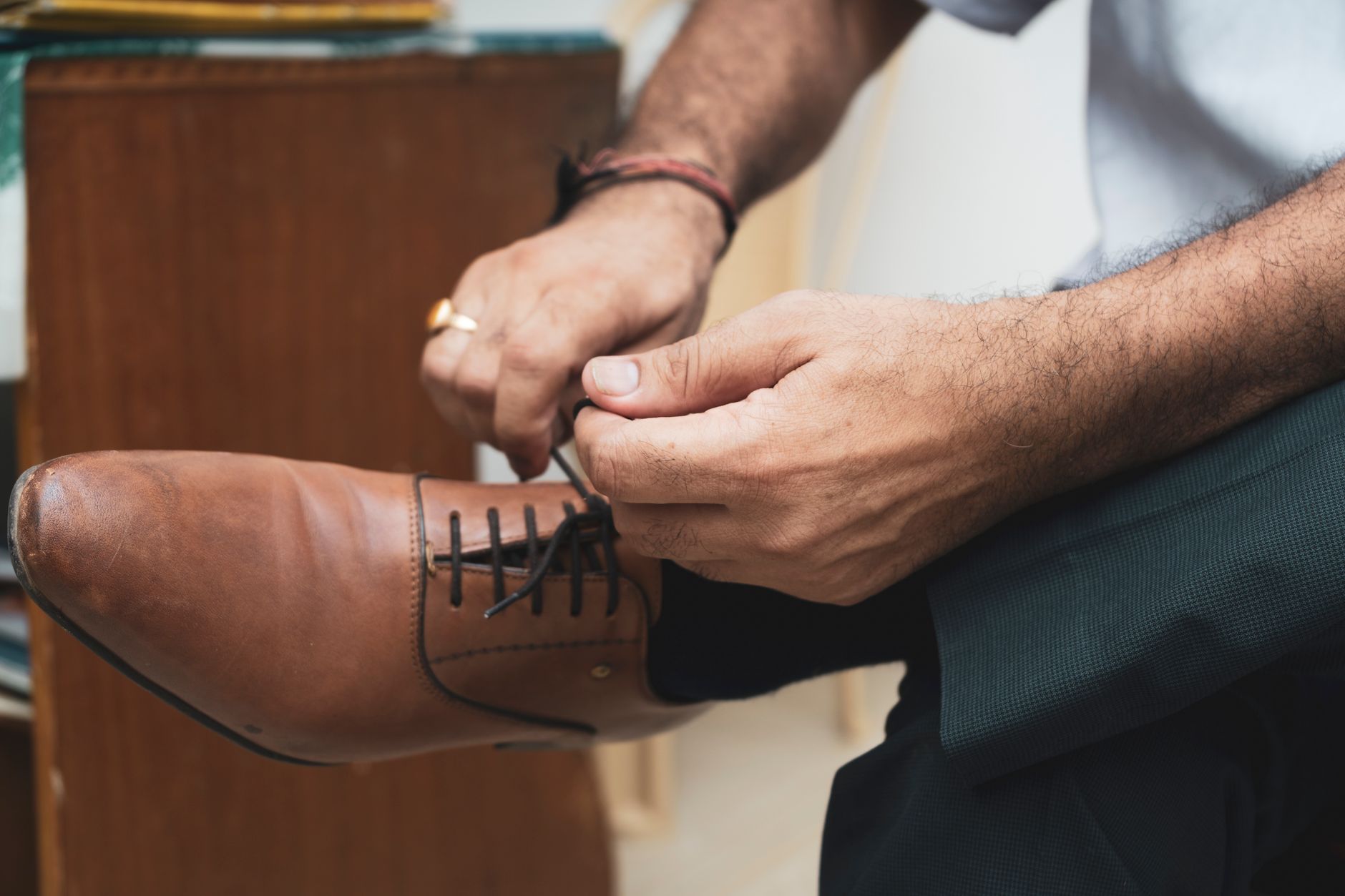
Getting dressed for work should not feel like a puzzle you solve every morning at 6 a.m. Yet a surprising number of Kenyan men arrive at the office looking well-dressed from the waist up and completely off the mark from the waist down. When you learn to match formal shoes men office outfit combinations correctly, the effort you put into your clothes finally reads the way you intend it to. Shoes are the last thing you put on, but they are often the first thing a colleague or client notices when you walk into a room. The good news is that pairing shoes with common office wear follows a small set of rules that, once you understand them, become second nature. If you have been building your wardrobe around men official shoes kenya professionals actually wear, this guide will help you use every pair you own with intention and confidence. Five reliable pairings cover the vast majority of workwear situations you will face, from boardroom presentations to casual Fridays when the dress code relaxes just enough.
Why Getting Shoe and Outfit Pairing Right Matters at Work
First impressions in Kenyan offices form within seconds, and grooming plus coordination carry an enormous amount of weight in that snap judgment. A suit that fits well but is paired with scuffed, mismatched shoes sends a message of carelessness that undermines the effort behind everything else you are wearing. Mismatched shoes and outfits do not just look off to a trained eye; they create a sense of visual noise that pulls attention away from your competence and toward your appearance. The right formal shoes act as a full stop at the end of a well-constructed sentence, completing the look and making it feel deliberate. When your shoes work with your outfit rather than against it, you carry yourself differently, and that confidence is visible before you say a single word. Knowing that your selection works is a quiet but powerful form of professional readiness.
Match Formal Shoes Men Office Outfit: Dark Suits and Oxfords
Navy and charcoal suits are the two most common formal suit colours in Nairobi offices, and both call for dark leather oxfords or derby shoes in black or deep brown. Black formal shoes are the single most versatile option in a working man's wardrobe because they complement virtually every suit colour and remain appropriate across seasons. Brown oxfords are an elegant choice with a navy suit, where the contrast creates warmth, but they look awkward paired with dark grey or black jackets where the colour difference feels accidental rather than intentional. When you are dressing for a client meeting, a panel interview, or a formal presentation, choose shoes with minimal texture since smooth leather reads as serious and polished in those contexts. Save suede versions of oxfords and derbies for days when the office atmosphere is slightly more relaxed, because suede lowers the formality level noticeably. A simple rule to keep in mind is that your shoe colour should be as dark as or slightly darker than your suit, which preserves the visual hierarchy that makes an outfit look assembled rather than thrown together.
Black Shoes With Grey and Charcoal Suits
Grey and charcoal suits are the backbone of formal office dressing in many Nairobi workplaces, and black shoes are their most reliable partner. The contrast between a dark grey suit and black leather shoes is clean, authoritative, and appropriate for every level of seniority in a professional environment. A cap-toe or plain-toe oxford in black smooth leather is particularly effective here because it adds structure without drawing attention away from the suit itself. Derby shoes in black work just as well on days when comfort matters more, since their open lacing system gives a slightly less rigid feel while keeping the overall look sharp. Whichever style you choose, a well-polished finish on the shoe reinforces the intentionality of the outfit and signals that no detail has been overlooked. This pairing is as close to a guaranteed result as men's office dressing gets, which is exactly why it belongs first in any guide to shoe and suit combinations.
Brown Shoes With Navy Suits
A navy suit paired with brown oxford shoes is one of the most sophisticated combinations you can wear to a Kenyan office without veering into flashiness. The warmth of brown leather against the cool depth of navy creates a contrast that feels intentional and considered rather than accidental. Cognac and tan shades of brown work particularly well for daytime meetings where the lighter tone lifts the overall look, while darker chocolate brown moves the outfit into more formal territory. It is worth noting that this pairing depends entirely on the navy being a true, deep navy rather than a faded or washed-out blue, where the contrast can start to look mismatched. A plain-toe or brogue oxford in brown leather adds just enough texture to make the outfit interesting without crossing into casual territory. Polishing your brown shoes regularly is especially important with navy suits because any dullness in the leather is immediately visible against the crisp, dark fabric.
Pairing Chinos With Loafers and Casual Formal Shoes
Chinos occupy the middle ground of most Nairobi office dress codes, and that flexibility is both their strength and the source of most pairing confusion. Light grey or khaki chinos sit beautifully alongside brown leather loafers or penny loafers, where the earthy tones complement each other without either element dominating. Navy chinos are more adaptable and accept both black and brown formal shoes depending on how formal the rest of the outfit needs to be on any given day. Burgundy or wine-coloured chinos are a bolder choice that many Kenyan office workers are beginning to experiment with, and they pair cleanly with black oxfords or dark brown loafers that anchor the colour rather than compete with it. One trap to avoid is matching your shoe colour too closely to your chino colour, since that flattens the overall look and removes the contrast that gives an outfit visual interest. Loafers in particular do excellent work bridging the gap between fully formal and business casual, which is why they deserve a place in every working man's shoe rotation alongside more structured lace-up styles.
Choosing the Right Loafer Style for the Office
Not all loafers carry the same level of formality, and understanding the difference helps you avoid a pairing that feels unintentionally sloppy. Leather penny loafers with a sleek profile and minimal stitching sit closest to formal territory and work comfortably alongside tailored chinos or even light wool trousers on a business casual day. Tassel loafers add a slightly decorative element that reads well in creative or client-facing office roles where a degree of personality is acceptable and even expected. Chunky or heavily soled loafers push toward casual and are better suited to relaxed Fridays than to days involving senior management meetings or external client presentations. The most practical colour for office loafers is dark brown or tan leather, since both travel well across multiple chino and trouser colours without requiring you to rethink your whole wardrobe. When your loafers are well-conditioned and properly fitting, they communicate the same level of care and attention as a lace-up shoe, which is the result every working professional is aiming for.
White Shirts, Dark Trousers, and Shoe Coordination
A crisp white dress shirt worn with dark trousers is the safest and most universally respected office combination across workplaces in Nairobi and beyond. Dark charcoal, black, or deep navy trousers leave very little room for shoe colour experimentation, and black formal shoes are the clear and correct choice in almost every instance. The guiding principle is that your shoes should be as dark as or darker than your trousers, because lighter shoes with dark trousers create an upward visual pull that breaks the clean vertical line a formal outfit depends on. Polished or shiny leather finishes work particularly well with white dress shirts because the refinement of the shirt invites the refinement of a well-buffed shoe. Matte or heavily distressed finishes on formal shoes can feel slightly out of place with the crispness of a white shirt, though brushed leather in dark tones still holds up in most offices. This white shirt and dark trouser combination is reliable for client meetings, team presentations, and any formal office event where you want to project authority without appearing overdressed.
The Role of Belt Coordination in This Pairing
One detail that elevates the white shirt and dark trouser combination from good to genuinely polished is matching your belt to your shoes. A black leather belt worn alongside black formal shoes creates a visual consistency that ties the whole outfit together at the waist and at the foot, removing any sense of contradiction. This rule applies equally to brown shoes and brown belts, where the two leather goods reinforce each other rather than competing for attention in different corners of the outfit. The belt does not need to be an exact colour match to the shoe, but the tone should be close enough that the two pieces feel like they belong in the same outfit. Buckle finish matters as well, since a silver buckle with a golden-toned shoe creates a small but noticeable clash that undermines the consistency you are trying to achieve. Attending to this one coordination habit adds a layer of polish that colleagues and clients may not consciously notice, but will certainly feel in the overall impression you make.
Mixing Textures: When to Wear Suede, Patent, and Brushed Finishes
Not all formal shoes have the same finish, and that difference in texture carries real meaning when you are building an office outfit. Highly polished leather shoes belong with formal suits and smart trousers because their shine signals occasion and intention, but the same shoes can look overdressed when paired with casual chinos or relaxed office wear. Brushed or matte leather finishes occupy useful middle ground because they add subtle texture and visual interest without making the shoe feel too casual for a professional setting. Patent leather, with its mirror-bright surface, is reserved for very formal occasions such as award events, gala dinners, or formal receptions, and it tends to clash with the everyday rhythm of most offices where the environment is more functional than ceremonial. Suede loafers and suede derbies soften the formality of lighter trousers and chinos in a way that polished leather cannot, which makes them the right tool for relaxed office days rather than high-stakes meetings. The principle that ties all of this together is matching the formality of your shoe's finish to the formality of your overall outfit, so that every element of what you are wearing is speaking the same language.
Caring for Different Shoe Finishes to Maintain the Effect
A shoe's finish only does its job when it is properly maintained, and different materials require different care routines. Smooth polished leather responds to regular buffing with a colour-matched cream or wax polish, which restores shine and feeds the leather so it does not crack under the pressure of daily wear. Suede requires a suede brush and a protective spray rather than polish, because applying wax to suede ruins the nap and permanently changes the texture that makes the shoe work with casual outfits in the first place. Brushed or matte leather can be maintained with a conditioner applied sparingly, since over-conditioning can introduce more shine than the finish was designed to carry. Patent leather needs only a damp cloth and a light patent-specific conditioner, since its surface is sealed and does not absorb polish in the same way smooth leather does. Building a simple shoe care kit with products suited to each finish you own is a small investment that extends the life of every pair and ensures the texture you chose for its pairing value continues to deliver that value week after week.
Seasonal and Weather Adjustments for Your Office Shoe Choices
Nairobi's two rainy seasons create a practical challenge for men who want to maintain polished footwear on their way into the office. During those wetter months, water-resistant formal shoes in treated leather or rubber-soled styles protect your investment and keep your look intact even after navigating a flooded pavement or a muddy car park. Lighter shoe colours like tan and cognac are warmer weather favourites that pair well with lighter trousers and chinos during dry, sunny months, but they show moisture and dirt more readily when the rains arrive. Black and deep brown formal shoes remain office staples throughout the entire year because their dark tones handle wet conditions more forgivingly and their versatility means you never have to rethink an outfit based on the weather. Breathable leather formal shoes become noticeably more important during Nairobi's hotter periods because comfort across a long office day affects how you present yourself by the afternoon when fatigue and heat have taken their toll. A practical shoe rotation of two to three pairs in different colours and finishes allows you to match shoes to both your outfit and the expected conditions of any given day.
Building a Rotation That Works Year-Round
A shoe rotation does not need to be large or expensive to be effective, and three well-chosen pairs will serve most Nairobi office workers across the full calendar year. A black oxford in smooth leather covers the most formal end of the spectrum and carries you through client meetings, interviews, and any occasion where authority and polish are the priority. A dark brown loafer or derby in matte or lightly brushed leather handles business casual days and chino pairings without ever looking out of place. A water-resistant formal shoe in black or dark brown, ideally with a rubber sole and treated upper, becomes the most reached-for pair during the long rains when protecting your footwear investment matters as much as looking sharp. Rotating between these three pairs means no single shoe absorbs all the daily wear, which extends the lifespan of each pair significantly and keeps the leather in better condition throughout its working life. Planning your weekly outfits a day ahead with this rotation in mind is a small habit that removes the early-morning decision fatigue and ensures you always walk into the office looking composed and coordinated.
Getting shoe and outfit pairing right is not about owning the most expensive shoes or the largest collection. It is about understanding a handful of clear relationships between colour, texture, and formality, and then applying them consistently every morning. The pairings covered here, from dark suits with oxfords to chinos with loafers, white shirts and dark trousers with polished black shoes, texture matching to outfit formality, and seasonal adjustments, cover the overwhelming majority of situations a Kenyan office worker faces across the working week. Once these combinations feel familiar, getting dressed becomes faster and the results become more reliable. A well-chosen pair of shoes does not just complete an outfit; it communicates that you pay attention to detail, which is exactly the impression most professional environments reward. At Jojo Shoes, the range of formal men's footwear is stocked with these everyday office pairings in mind, so you can find the right shoe for the outfit you already own rather than rebuilding your wardrobe from scratch. Start with one reliable pairing, wear it with confidence, and build from there.
See everything Jojo Shoes can do for you.
Visit Jojo Shoes →