Measure Your Shoe Size at Home: Jojo Shoes Fitting Guide
Measure foot length and width at home using paper, pen, and measuring tape to find your accurate shoe size before ordering Nike, Adidas, Timberland, or other brands online. Stand on paper with heel against wall, mark toe and heel, measure in centimeters, and add 1-1.5cm for comfort. Check brand-specific size guides on Jojo Shoes product pages for precise conversions and fit notes.
See everything Jojo Shoes can do for you.
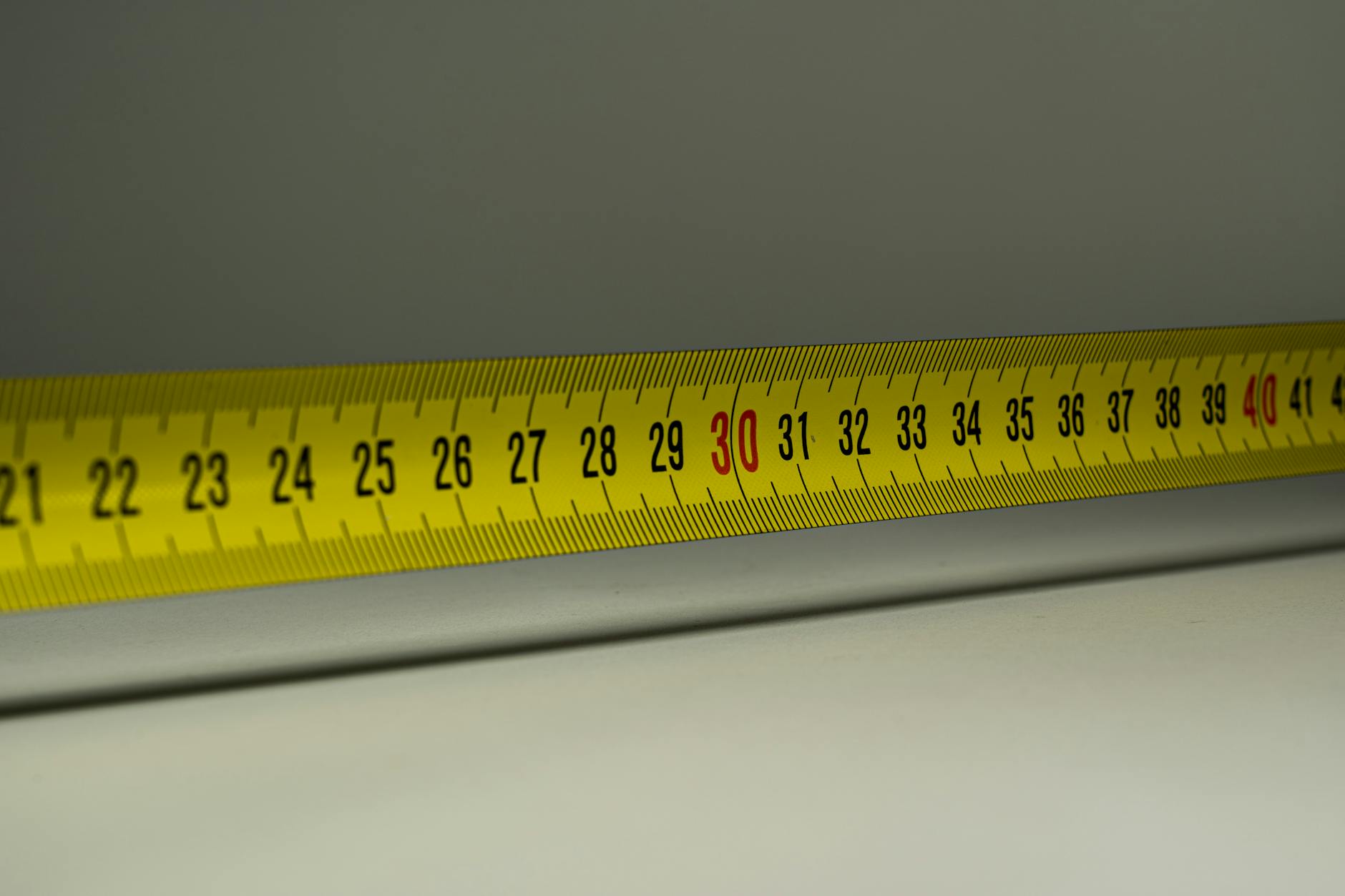
Getting your shoe size right before placing an order online is one of the simplest things you can do to protect your money and your time. Most shoppers in Kenya rely on guesswork or memory from the last pair they bought, and that habit leads to ill-fitting shoes, frustrating exchanges, and extra shipping costs. This guide walks you through exactly how to measure shoe size at home so you can shop at Jojo Shoes with real confidence, whether you are ordering Nike sneakers for yourself, Timberland boots for a partner, or Converse for your child.
How To Measure Shoe Size At Home: Why Measuring at Home Matters for Online Shoe Shopping
Online shopping means you are making a decision entirely on trust, without the option of slipping a shoe on and taking a few steps. That is a perfectly workable situation, but only when you come to the process armed with accurate numbers rather than a rough idea of what you usually wear. An online shoe fitting guide Kenya shoppers can actually use needs to start with this honest reality check, because the store cannot do the fitting for you. Different brands follow different lasts, which is the mold used to shape the shoe, so a size 42 in Nike may fit differently from a size 42 in New Balance. Knowing your precise foot measurement in centimeters gives you a neutral reference point that works across every brand we stock. Getting it right the first time also protects you from paying return shipping or waiting days for a replacement pair to arrive.
What You Need to Measure Your Shoe Size
Before you start, gather a few basic tools that are almost certainly already in your home. A soft measuring tape is the easiest option, though a rigid ruler placed flat on the floor works just as well for this purpose. You will also need a sheet of plain white paper or a piece of cardboard large enough to fit your whole foot, plus a pen or pencil with a fine tip for accuracy. Critically, wear the socks you plan to wear with the shoes you are buying, because the thickness of your sock changes the fit by several millimeters. A thick sports sock worn with a Nike training shoe gives a noticeably different result compared to a thin cotton sock worn with Adidas slides. Finally, choose a flat, hard floor surface such as tiles or hardwood, because carpet compresses underfoot and can skew your outline.
Step-by-Step: How to Measure Your Feet
Setting Up Your Paper
Place your sheet of paper flat on the floor with one edge touching a wall. Stand on the paper with your heel pressed firmly against the wall, keeping your full body weight on that foot and standing as upright as possible. Your heel touching the wall gives you a fixed reference point so your heel mark is perfectly consistent every time. Have someone help you if possible, because reaching down to mark your own foot can cause you to shift your weight and throw off the reading. If no one is around to help, lean the back of your calf lightly against the wall for balance while you mark your toe. Taking a moment to set this up properly is worth it, because a poorly positioned foot can produce a reading that is off by a full centimeter.
Taking the Measurement
Use your pen to mark the tip of your longest toe, which is not always the big toe, and draw a line at the very back of your heel. Measure the distance between those two marks in centimeters, writing the number down immediately so you do not forget it. Repeat the entire process with your other foot, because a surprising number of people have feet that differ by half a size or even a full size. Always use the larger of the two measurements when selecting your shoe size, since you need both feet to be comfortable. Try to do this measurement in the afternoon rather than first thing in the morning, because feet swell slightly throughout the day and the afternoon reading reflects the size your foot will be most of the time you are wearing shoes. Keeping those two numbers written down somewhere handy means you will not need to repeat this process every time you shop.
Measuring Width
Foot length is not the only number that matters, because width plays a significant role in how a shoe actually feels on your foot. To measure width, wrap your tape measure around the widest part of your foot, which is typically across the ball just behind your toes. Write that circumference measurement down in centimeters alongside your length measurement. Some brands, particularly certain New Balance models, are built specifically for wider feet, while others such as some Adidas running silhouettes tend to run narrow. If you know your foot is wider than average, this second measurement gives you something concrete to reference when reading brand size guides. Checking width before you order reduces the chance of a shoe that fits in length but pinches uncomfortably across the forefoot.
Convert Your Measurements to Shoe Sizes
Understanding Kenyan and International Size Charts
Kenya generally follows European and UK sizing conventions, but American sizing is also common across brands like Air Jordan and Converse, so understanding conversions is essential. Men's, women's, and children's sizes run on different scales entirely, meaning a women's size 38 and a men's size 38 are not the same shoe, and this point causes confusion more often than you might expect. When you have your centimeter measurement, add roughly 1 to 1.5 centimeters before you look it up on a size chart, because that extra space is the toe room that makes a shoe comfortable rather than just technically your length. Each product page on our online store carries brand-specific size guides that show you exactly how that particular brand maps to foot length in centimeters. Width information and notes about fit are often included there too, so reading that section fully before choosing your size takes only a minute. If the size guide on a product page mentions that a shoe runs large or small, take that seriously and adjust your selection accordingly.
When Your Measurement Falls Between Sizes
Landing between two sizes on a chart is common, and it is worth knowing how to handle it rather than simply picking one at random. As a general rule, sizing up is the safer choice for closed-toe shoes such as boots and sneakers, because a slightly roomier shoe is easier to work with than one that is too tight. For open-toed sandals or slides, sizing down is often more comfortable since there is no toe box to create extra space. The type of activity also matters: a running shoe worn for long distances benefits from a little more room than a casual shoe worn for short periods. If you are still uncertain after applying these principles, contact our customer service team and describe the specific model you are considering along with your measurements. We can usually tell you within minutes whether to go up or down based on how that shoe is known to fit.
Common Mistakes to Avoid
One of the most common errors people make is measuring their feet while seated. When you sit down, your body weight is off your feet and they naturally contract, giving you a reading that is shorter than your actual standing size. Always stand with your full weight on the foot you are measuring to get an accurate result. The difference can be as much as half a centimeter, which is enough to push you into the wrong size on many brand charts. Standing measurement is a small adjustment that costs you nothing and meaningfully improves accuracy. Making it a firm habit means you will not repeat this particular mistake on future orders.
Another frequent mistake is measuring barefoot when you normally wear socks with the type of shoe you are buying. That small difference in sock thickness adds up to a poor fit in practice, especially with thicker athletic socks worn inside training shoes. Forgetting to measure both feet is also a genuine problem, and many people discover for the first time through this process that one foot is noticeably larger than the other. Brand variation is something many shoppers overlook entirely, assuming that their Nike size applies directly to an Adidas or Timberland purchase, when in fact these brands build their shoes on different lasts. Before you add anything to your cart, take a moment to read through customer reviews on the product page, because shoppers often leave specific comments about whether a shoe runs true to size, narrow, or wide. Skipping that step after you have learned how to measure shoe size at home would mean doing the hard work and then ignoring half the information available to you.
Ordering with Confidence at Jojo Shoes
Once you have your centimeter measurements written down, use them together with the brand-specific size guide on whichever product page you are shopping. Customer reviews on those pages are a practical secondary source, and Jojo Shoes shoppers regularly mention fit details that are genuinely useful to someone making their first purchase of a particular model. If your measurement lands right between two sizes, do not guess: reach out to our customer service team directly and we will help you decide whether to size up or down based on the specific shoe and your foot shape. Customers in Nairobi also benefit from free delivery within town, which lowers the stakes considerably if you do need to exchange a pair after trying them at home. Keep a small note on your phone with your measurements for each foot in centimeters, because you will use that information again every time you shop across different brands. Building that habit means that over time you will have a clear picture of how each brand fits your foot, and ordering becomes faster and more accurate with every purchase.
Shopping for shoes online in Kenya does not have to feel like a gamble. A sheet of paper, a pen, and five minutes of your afternoon are all it takes to get measurements that will serve you across every brand we carry at Jojo Shoes, from Air Jordans to Timberland boots to kids' Adidas trainers. Get your measurements right once, keep them handy, and let the shoes come to you.
See everything Jojo Shoes can do for you.
Visit Jojo Shoes →