Nike Running Shoes Built for Kenya's Heat and Humidity
Find the best Nike running shoes designed to handle Kenya's hot, humid conditions without overheating your feet.
See everything Jojo Shoes can do for you.
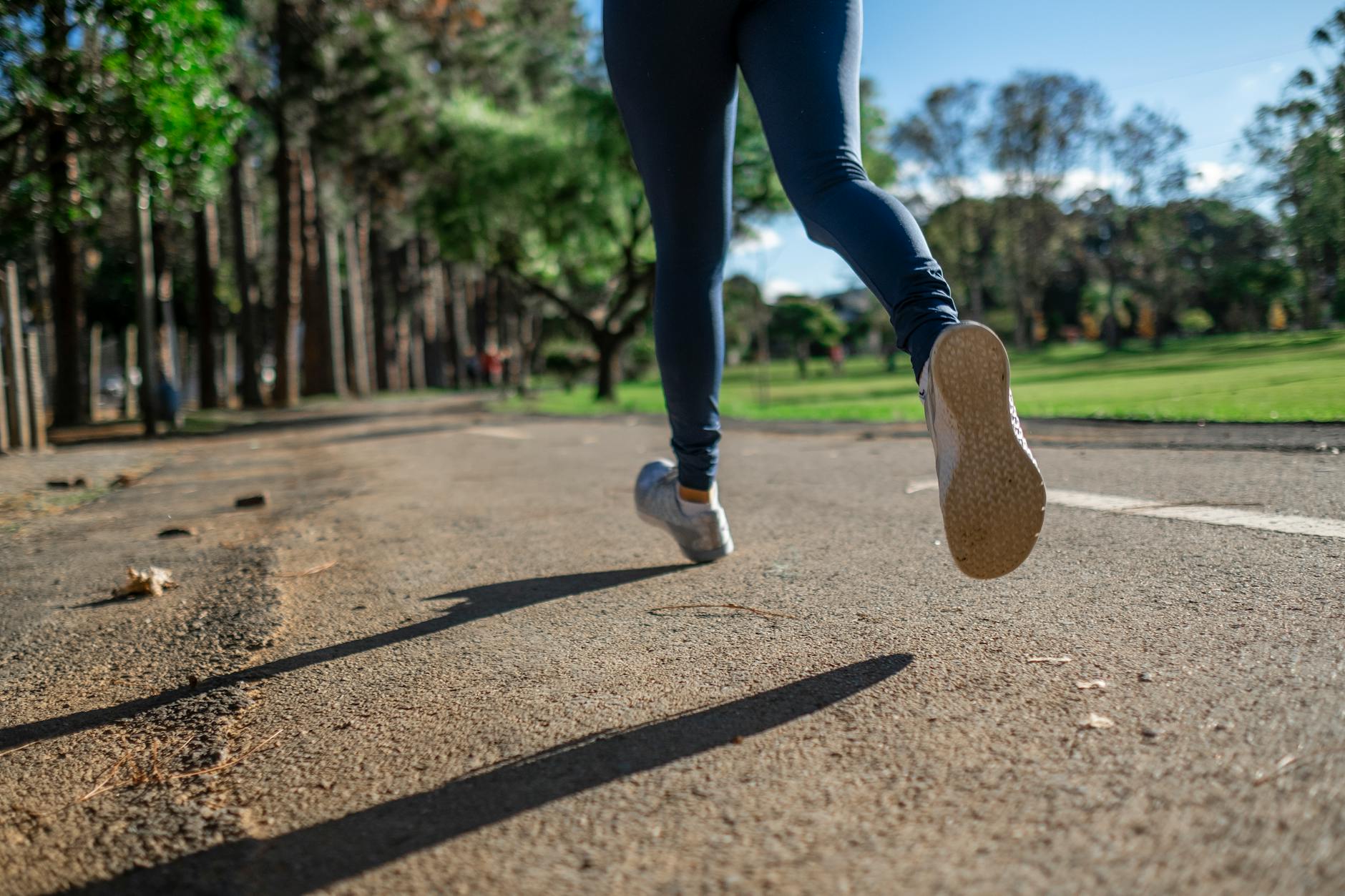
Running in Nairobi or anywhere along the Kenyan coast is a completely different experience from jogging in cooler climates. The combination of high temperatures, afternoon humidity, and dusty tarmac creates a set of challenges that most imported running shoes are simply not designed to handle. Choosing the right pair before your next morning run is one of the smartest fitness investments you can make.
This article is part of our complete guide: Trending Shoes for Men in Kenya.
Best Running Shoes For Kenya: Why Standard Running Shoes Fail in Kenya's Climate
Heat causes your feet to swell throughout the day, and a shoe that fits perfectly in the morning can feel uncomfortably tight by the time you hit your afternoon stride. This swelling increases pressure on your toes and the sides of your foot, which slows you down and can cause real pain on longer runs. Many standard running shoes are built for temperate climates where this level of swelling simply does not happen as dramatically. The design assumptions baked into those shoes, including narrow toe boxes and firm lateral walls, work against you when temperatures climb past 30 degrees Celsius. Getting the right fit for Kenya's conditions starts with understanding that your feet are working harder here than the shoe's designer imagined.
Poor ventilation inside a shoe creates a warm, moist pocket that is almost ideal for blisters and fungal infections to develop. When sweat has nowhere to escape, it pools against the skin and softens it, making every stride a small source of friction damage. Standard shoes often use closed synthetic uppers that look sleek but act like a plastic bag around your foot. Over time, this moisture environment causes the kind of discomfort that makes people give up on running altogether, blaming their fitness rather than their footwear. Breathability is not a luxury feature in this climate; it is a basic requirement.
Heavy, dense foam materials compound the problem by soaking up sweat rather than releasing it, adding weight to every step as your run progresses. A shoe that weighs 320 grams when you set out can feel noticeably heavier after 5 kilometres in Nairobi's midday heat. Dense rubber outsoles also radiate heat upward from hot tarmac, warming the foot from below while the sun warms it from above. This double heat source accelerates fatigue and reduces the muscular precision that keeps your stride efficient and injury-free. Proper airflow through the shoe interrupts this cycle and lets your body's natural cooling work the way it should.
Key Features to Look for in Hot-Weather Running Shoes
Breathable mesh uppers are the single most important feature to look for when shopping for Nike shoes hot weather performance. Engineered mesh, the kind you find on many current Nike models, uses a woven structure with intentional gaps that allow air to circulate continuously around your foot. Unlike older nylon fabrics, engineered mesh is also structurally supportive, so you do not sacrifice stability for ventilation. You can usually identify good mesh by holding the shoe up to light and seeing through the upper clearly. This transparency is a rough but reliable sign that the material will let air move when you run.
Lightweight foam midsoles matter almost as much as the upper, because dense midsole compounds trap and radiate heat against the bottom of your foot. Modern foam technologies like Nike's React and ZoomX are both lighter and more resilient than the EVA foam used in budget shoes. A lighter midsole also returns energy to your stride rather than absorbing it, which reduces the effort needed to cover each kilometre. In practical terms, this means you arrive at the end of a 10-kilometre run less fatigued than you would be in a heavier shoe. For Kenyan runners training in the heat, that energy saving compounds significantly over a full training week.
Moisture-wicking linings inside the shoe work alongside the mesh upper to pull sweat away from your skin rather than letting it sit. These linings are usually made from fine polyester or nylon blends treated to move moisture outward through capillary action. When combined with a breathable upper, this two-layer system keeps the environment inside the shoe noticeably drier, which directly reduces blister risk. Some Nike models add antimicrobial treatments to the lining, which helps control odour during long training blocks. Always check the product description for these interior details, not just the look of the upper.
Strategic ventilation panels on the heel and midfoot are worth paying attention to, especially for runners who tend to overheat at the back of the foot. The heel area accumulates heat because it is enclosed on three sides and covered by your sock, leaving no natural escape route for warmth. Perforations or open-weave panels in this zone allow convective airflow as your foot moves through each stride cycle. Midfoot panels serve a slightly different purpose, reducing the tightness that swelling creates around the arch. Together, these targeted vents make a measurable difference during runs longer than 30 minutes in Kenyan conditions.
Top Nike Models That Perform in Kenya's Heat
The Nike Pegasus has been a reliable training shoe for decades, and recent versions have refined the breathable mesh upper to handle warm, humid conditions particularly well. It sits in the mid-range price bracket, which makes it accessible without being the cheapest option on the shelf. The React foam midsole is light enough that you do not feel the shoe weighing you down during long Sunday runs. Many Kenyan road runners use the Pegasus as their primary training shoe because it balances cushioning, breathability, and durability across different surfaces. If you are looking for the best running shoes for Kenya without spending on a premium race shoe, the Pegasus is a strong starting point.
The Nike Revolution is the practical choice for runners who want reliable mesh construction without a premium price tag. Its upper is simple but genuinely breathable, using an open-knit pattern that performs well on hot days even if it lacks the technical refinement of more expensive models. The foam midsole is softer and less resilient than React foam, which suits casual runners and beginners who are building their weekly distance gradually. Because the Revolution is lighter on the wallet, many people buy a second pair to rotate, which also extends the life of each shoe by allowing the foam to decompress between sessions. Rotation is actually a smart strategy for managing heat and humidity damage over time.
The Nike Air Zoom Vaporfly is the premium end of the range, designed for runners who take their times seriously and want every possible advantage on race day. Its carbon-fibre plate and ZoomX foam deliver an exceptional energy return that feels almost propulsive on fast stretches of tarmac. The upper is constructed from a very thin, highly breathable material that keeps weight to an absolute minimum while still moving air effectively. This shoe is not designed for daily training miles, but for races and fast sessions where performance is the priority. Serious athletes preparing for events like the Nairobi Marathon will find that this shoe justifies its price point.
The Nike Flex series takes a different approach, prioritising flexibility over structured cushioning, which makes it an interesting option for runners who prefer a more natural foot feel. The outsole is deeply grooved so that the shoe bends precisely where your foot bends, reducing the resistance that causes foot fatigue in hotter conditions. This flexibility also means the shoe does not trap your foot rigidly when swelling occurs, accommodating the natural expansion that happens during a long run in the heat. The upper on Flex models uses a stretchy knit that moves with your foot rather than constraining it. For runners who have experienced discomfort from rigid shoes in warm weather, the Flex is worth trying.
How to Keep Your Feet Cool While Running
Lighter shoe colours reflect radiant heat from the sun rather than absorbing it, which makes a measurable difference when you are running under direct sunlight on exposed roads. White, grey, and light blue uppers stay cooler to the touch than black or dark navy options under the same conditions. This is not simply a style preference; it is a practical consideration for anyone running between 9 a.m. and 4 p.m. in most Kenyan towns. The difference in surface temperature between a white shoe and a black shoe after 20 minutes of direct sun exposure can be several degrees. That margin matters when your foot is already working to stay cool from the inside.
Moisture-wicking running socks are just as important as the shoe itself, yet many runners underinvest in this area. Cotton socks absorb sweat and hold it against your skin, negating much of the breathability engineered into your Nike upper. Technical running socks made from polyester or merino wool blends move moisture outward continuously and dry much faster between strides. Many of these socks also have targeted cushioning at the heel and forefoot without adding bulk at the sides, which keeps the fit inside the shoe comfortable even as your foot swells. Pairing good socks with a breathable shoe creates a system that is genuinely more effective than either component alone.
Timing your runs strategically is one of the simplest and most overlooked adjustments for Kenyan runners. The hours between 6 a.m. and 8 a.m. are significantly cooler in most parts of the country, and a run completed then will feel easier and produce less heat stress than the same distance attempted at midday. Evening runs after 6 p.m. offer a similar advantage, with the added benefit of lower solar radiation even when the air temperature is still warm. Structuring your training around these windows lets your breathable shoes perform at their best, because lower ambient temperatures reduce the baseline heat load your feet need to manage. This scheduling habit also reduces sunburn risk and helps you stay consistent through the hottest months.
Breaking in new running shoes gradually gives the breathable materials time to conform to the specific shape of your foot. Mesh uppers and flexible midsoles need a few sessions to soften and settle before they deliver the full comfort and ventilation they are designed for. Starting with three or four shorter runs of 3 to 5 kilometres before attempting long distances prevents the kind of hotspots that develop when stiff materials rub against unprepared skin. This is especially important in hot conditions, where sweat-softened skin is more vulnerable to friction. A two-week break-in period is a reasonable target for most Nike running models.
Sizing and Fit Tips for Hot-Weather Running
Because feet swell in heat, the best time to measure your foot or try on shoes is in the afternoon rather than the morning. Foot measurements taken early in the day can be up to half a size smaller than measurements taken after a few hours of activity and warmth. If you order online from Jojo Shoes, checking your foot against a printed size guide after a short walk gives you a more accurate baseline. This simple timing adjustment prevents the common mistake of ordering a shoe that feels correct when you try it indoors but becomes uncomfortably tight after 20 minutes of running in the sun. Getting your size right from the start saves the hassle of exchanges and gets you running sooner.
Choosing a half-size larger than your usual size is a practical rule of thumb for hot-weather running, particularly if you run distances longer than 5 kilometres. This extra room accommodates the natural swelling that occurs as your body routes blood to working muscles and your feet heat up over time. A shoe that is slightly generous at the toe box feels much more comfortable than one that was snug to begin with and becomes painful as the run extends. The heel should still feel secure and close-fitting, because a loose heel causes blistering at the Achilles area regardless of toe room. This combination of a snug heel and roomy toe box is the fit target you are aiming for.
Confirming that the shoe flexes at the right point is a step many people skip, but it matters for comfort and efficiency. Hold the shoe with both hands and bend it gently; it should flex most naturally at the ball of the foot, which is where your foot bends as you push off. A shoe that flexes too far back toward the arch will fight your natural gait, causing fatigue in the arch and calf over longer runs. Pressing your thumb against the toe box should also show at least a centimetre of space between your longest toe and the end of the shoe. These two quick checks together tell you whether the shoe will work with your foot rather than against it.
Finding Your Best Nike Running Shoe at Jojo Shoes
At Jojo Shoes, you can browse our full range of Nike running shoes and compare breathable models side by side without leaving your home. Our online store carries current Nike options across different price points, from the accessible Revolution to the performance-focused Vaporfly, so you can match your budget to your training goals. Each product listing includes detailed descriptions of the upper material, midsole foam type, and weight, giving you the information you need to make a confident choice. We update our stock regularly, so if you are looking for the best running shoes for Kenya, checking back when new models arrive is worth doing. Shopping from Roysambu, we understand the local conditions our customers run in, which shapes how we curate what we stock.
Our team is happy to help you narrow down the right model based on the kind of running you do, whether that is casual 5-kilometre morning jogs or structured marathon training. Reach out through our contact page with details about your weekly distance, your usual running surface, and any past issues with heat or blisters, and we will give you a specific recommendation rather than a generic answer. We deliver countrywide across Kenya, with free delivery available for orders within Nairobi, so getting your shoes to you quickly is not a problem regardless of where you are based. Ordering sooner rather than later means you can start your break-in period before your next training block. Running comfortably in Kenya's climate is entirely achievable with the right shoe under your foot.
The right pair of Nike running shoes does not just make your runs more comfortable; it protects your feet, supports your training consistency, and helps you get more out of every kilometre. Kenya's heat and humidity are not obstacles to running well; they are simply conditions to plan around, and the right footwear is the most direct way to do that. Browse the Jojo Shoes collection today and find the Nike model that fits your running life.
See everything Jojo Shoes can do for you.
Visit Jojo Shoes →