Shoe Care Tips to Make Your Trainers Last Longer
Extend your trainer lifespan with practical shoe care: dry-brush before wet cleaning, use appropriate cleaners for canvas/mesh/leather, restore white soles with baking soda paste, apply waterproof spray, stuff shoes while drying, and rotate pairs to preserve midsole cushioning. Proper maintenance protects your investment in Nike, Adidas, Timberland, and Jordan footwear.
See everything Jojo Shoes can do for you.
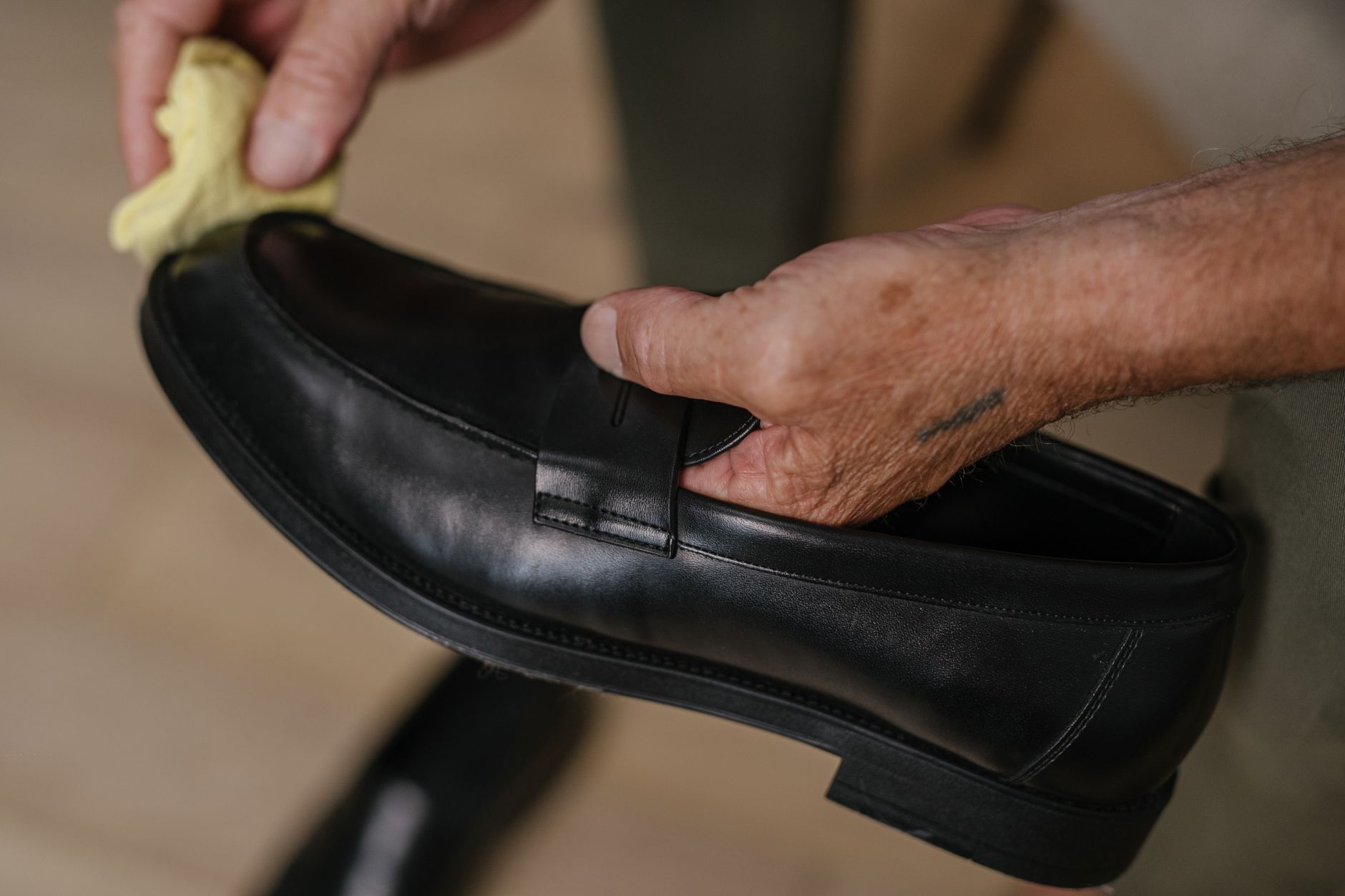
Buying a great pair of trainers is genuinely exciting, and it makes sense to want them looking fresh for as long as possible. Whether you picked up a pair of Nike Air Max, a classic Adidas Stan Smith, or rugged Timberland boots, a little routine care goes a long way. The tips in this guide are practical and straightforward, and most of them cost you nothing but a few extra minutes.
Why Proper Shoe Care Saves You Money
A quality pair of trainers from a brand like Nike, New Balance, or Air Jordan is a real investment, sometimes running several thousand shillings. When you treat them well, you protect that money rather than spending it again sooner than planned. Regular maintenance keeps materials supple, stitching intact, and midsoles cushioned, all of which add up to a shoe that performs the way it should. Neglected shoes break down faster, and replacing them frequently costs far more over time than a bottle of cleaner and a soft brush. The math is simple: a few minutes of care after each wear extends your shoe's life by months. Think of shoe care as the cheapest insurance policy you will ever buy.
Good shoe care also affects how your trainers feel during wear, not just how they look. A midsole that has been allowed to dry out and compress unevenly stops returning energy the way it should, and that affects your comfort on long walks or during exercise. Keeping the foam clean and away from excessive heat preserves its responsiveness for much longer. Similarly, a leather upper that receives occasional conditioning stays flexible and resists cracking at the toe box, which is usually the first point of failure on a well-worn pair. Staying consistent with maintenance is genuinely simpler than most people expect, because the effort involved at each session is small. The returns, measured in months of extra life from a pair you love, are very much worth it.
Cleaning Your Trainers the Right Way
Start Dry Before You Go Wet
Before you introduce any moisture, knock your shoes together over a bin and use a soft-bristled brush to sweep away dried mud, dust, and loose debris. Skipping this step means you end up grinding dirt into the fabric when you start scrubbing. A firm but gentle circular motion works well on most mesh and canvas surfaces. Old toothbrushes are perfect for getting into the grooves of the sole and around the welt where grime tends to collect. Once the loose dirt is gone, you have a much cleaner surface to work with, and the wet cleaning stage becomes noticeably more effective. Taking two minutes on this dry step saves you significantly more scrubbing time later.
Washing Canvas, Mesh, and Leather Properly
For canvas and mesh uppers, mix a small amount of mild soap with lukewarm water and use a soft cloth or brush to work it gently into the material. Avoid soaking the shoe completely because saturating the inner materials can break down adhesives and cause delamination over time. Leather uppers, like those found on some Adidas and Timberland styles, need a damp cloth and a cleaner specifically formulated for leather rather than a general-purpose soap. Harsh chemicals such as bleach or acetone strip natural oils from leather and crack the surface, shortening the shoe's life considerably. Rinse away any soap residue with a clean damp cloth and never toss trainers into the washing machine, since the agitation and heat cause premature breakdown of the sole unit and upper construction. Always air dry at room temperature, away from radiators, direct sunlight, and hairdryers.
Dealing With White Soles and Midsoles
White rubber soles and midsoles are one of the most satisfying things to restore on a pair of trainers, but they also show dirt faster than any other part of the shoe. A paste made from baking soda and a small amount of water applied with an old toothbrush works remarkably well on yellowed or stained rubber. Work the paste in with gentle circular strokes, leave it for about ten minutes, then wipe clean with a damp cloth. For more stubborn oxidation on midsoles, a dedicated sneaker cleaning solution formulated for rubber gives better results than household products. Avoid abrasive scrubbing pads because they leave micro-scratches that actually trap more dirt over time. Keeping your soles clean also makes it easier to spot early wear patterns before they become a structural problem.
Protecting Your Shoe's Sole and Structure
The moment you bring a new pair home, especially waterproof styles like Timberland boots, apply a quality waterproof spray to the upper and seams. This creates a barrier against rain, puddles, and general moisture before damage can occur, which is particularly useful during Nairobi's long rains. Reapply the spray every few weeks if the shoes are in regular rotation, because the protective layer gradually wears off with use. While your shoes dry after cleaning, stuff them with newspaper or slide in shoe trees to hold their original shape. Uppers that dry without support tend to crease and collapse inward, and once those creases set, they are very difficult to reverse. Taking this one extra step each time you clean adds very little effort but makes a visible difference to how the shoe holds its silhouette over months of wear.
If you have more than one pair of trainers, rotating them across different days allows each pair adequate time to breathe and recover its shape between sessions. The foam in a midsole that is worn daily compresses faster than one that gets at least a day of rest between uses. This is especially relevant for performance trainers used for running or gym training, where the midsole absorbs significant impact. Flip your shoes over occasionally and check the soles for uneven wear patterns, because catching a worn-down heel early means you can address it before it affects your gait or the shoe's overall structure. A cobbler can often add a heel tip before the damage reaches the midsole, saving the shoe entirely. Building rotation into your routine is one of the simplest habits that pays consistent dividends across every pair you own.
Storage Tips for Long-Lasting Freshness
Store your trainers in a cool, dry spot where temperatures stay relatively stable throughout the year, since extreme heat warps rubber soles and extreme cold can cause materials to crack. Avoid leaving shoes on a sunny windowsill or near a cooking area, as prolonged heat exposure yellows white midsoles and fades colored uppers noticeably. Breathable shoe bags or the original branded box are both solid options because they allow some airflow while keeping dust off. Plastic bags, on the other hand, trap moisture and encourage mold growth, particularly in Nairobi's humid rainy seasons. Tuck a cedar wood block or a small sachet of activated charcoal inside each shoe to absorb moisture and neutralize odors naturally between wears. These materials are inexpensive, reusable, and genuinely make a difference in how your shoes feel and smell after a few days of storage.
For collectors or anyone holding onto limited-edition pairs for longer periods, consider silica gel packets placed inside the box alongside the shoes. Silica gel absorbs excess humidity very efficiently and is far more powerful than cedar alone in a sealed storage environment. Check on stored shoes every month or so, because even in good conditions, materials can begin to degrade if left completely untouched for long stretches. Giving them a quick wipe and allowing them some air circulation prevents that static deterioration. It is also worth keeping pairs off the floor where possible, since floor-level storage in many Kenyan homes exposes shoes to dust and occasional moisture from cleaning. A simple shelf or rack keeps them elevated, ventilated, and easy to inspect.
Handling Common Shoe Problems
Stubborn stains require the right product for the specific material, so invest in a shoe cleaning kit that covers leather, suede, and synthetic fabrics rather than reaching for a general household cleaner. Using the wrong product, even once, can permanently alter the texture or color of the upper, especially on premium suede finishes. Scuffs on smooth leather surfaces respond well to a matching shoe cream or polish applied with a soft cloth in small, circular strokes. For sneakers that have developed an unpleasant smell, sprinkle a thin layer of baking soda inside, leave it overnight, then shake it out before wearing. Commercial shoe deodorant sprays are a quicker option if you need results before the next morning and do not have baking soda on hand. For delicate pairs such as limited-edition Air Jordans or premium Converse collaborations, it is worth considering professional cleaning rather than risking damage with DIY methods.
Frayed or dirty laces are one of the most overlooked causes of a shoe looking tired. Laces are inexpensive to replace, and a fresh set in the correct width and length can genuinely transform the overall appearance of a pair that is otherwise in excellent condition. When washing laces, remove them from the shoe entirely, soak them in soapy water, and scrub them with your fingers before rinsing. For white laces specifically, a short soak in diluted laundry powder brings them back to a very clean finish without the risk that bleach carries. Drying laces flat or hanging prevents them from tangling or shrinking unevenly. Keeping a spare set on hand means you can swap them out immediately rather than wearing a pair with laces that undermine an otherwise well-maintained shoe.
When to Replace vs. Repair Your Trainers
Signs Your Trainers Need Replacing
When the midsole foam feels completely flat and no longer springs back underfoot, the shoe has lost the cushioning that protects your joints during walking or exercise. Persistent heel pain or knee discomfort after a walk can often be traced back to a worn-out sole unit rather than a body problem, so the shoe deserves a careful inspection before you assume otherwise. Visible separation between the upper and the sole, deep cracks in the outsole rubber, or a misshapen toe box are all signs that the shoe has reached the end of its functional life. At that point, repairs can only do so much, and continuing to wear the shoe may actually cause discomfort or injury. It is also worth considering that a shoe which looks structurally sound on the outside may have foam that has silently compressed beyond the point of providing real support. Replacing at that stage is the responsible choice for your long-term comfort.
What a Cobbler Can Fix
Loose stitching, separated toe caps, worn-down heels, and frayed laces are all repairable problems that do not require a full replacement. Nairobi has several skilled cobblers, particularly around Roysambu and the surrounding areas, who work comfortably with branded athletic footwear and know how to handle quality materials. A heel replacement or resoling job can add months of life to an otherwise solid pair of boots or leather trainers, often at a fraction of the cost of a new pair. Replacing laces is one of the simplest and cheapest ways to refresh the look of a pair that is otherwise in great condition, and a fresh set of laces can genuinely transform how a shoe presents. Knowing when to repair and when to replace comes down to whether the core structure of the shoe still functions correctly. When the repairs no longer make financial sense, or when you simply fancy a fresh style, you can browse our full collection at Jojo Shoes and find your next favorite pair delivered right to your door anywhere in Kenya.
Taking care of your trainers is really just about forming a few small habits: brush them off after a muddy day, dry them properly, store them thoughtfully, and deal with problems while they are still minor. Do that consistently, and the brands you love will serve you far longer than you might expect.
See everything Jojo Shoes can do for you.
Visit Jojo Shoes →