Why Your Shoe Size Changes and What to Do About It
Shoe sizes change throughout life due to arch flattening, weight gain, pregnancy, exercise, and aging. Measuring feet at day's end using actual socks and comparing to brand-specific size charts ensures proper fit. Understanding these changes helps shoppers select comfortable footwear that functions well on their feet.
See everything Jojo Shoes can do for you.
If you have ever slipped on a pair of shoes that fit perfectly two years ago only to find them uncomfortably tight today, you are not imagining things. Shoe size is not a fixed number you lock in during your twenties and keep forever. Feet change throughout life for a range of biological and lifestyle reasons, and understanding why can save you from blisters, wasted money, and the frustration of shoes that simply do not work. Whether you are shopping for yourself or picking out a pair of New Balance sneakers for your child, knowing what drives shoe size changes helps you shop smarter every time.
Why Adult Shoe Sizes Actually Change
The ligaments and tendons that hold the bones of your foot in their arched formation gradually lose elasticity as you age. Over time, this causes the arch to flatten and the foot to spread outward, which adds both length and width to your measurement. A person who wore a size 41 in their thirties may genuinely need a size 42 or even a wide-fit option by their mid-forties. This is not a matter of preference or perception. It is a structural shift happening inside the foot itself. Recognising this early means you stop forcing your feet into shoes that no longer suit them.
Weight gain applies consistent extra pressure to the soles and sides of the feet, causing them to spread in much the same way a cushion flattens under a heavier load. This effect can add a full size to your measurement, sometimes more, and it happens faster than most people expect. Pregnancy combines weight gain with hormonal changes that specifically loosen ligaments throughout the body, the feet included. Many women find their feet grow during pregnancy and never fully return to their pre-pregnancy size. Standing jobs compound the problem further, as hours of pressure each day cause gradual spreading and thickening of foot tissue over months and years.
Arthritis and inflammation from chronic health conditions can also push your shoe size upward by causing consistent joint swelling. A shoe that fits comfortably on a good morning may feel strangling by afternoon if joint inflammation is a regular part of your life. This makes buying shoes with a little room for natural daily swelling especially important for anyone managing these conditions. The size number matters less than how the shoe actually feels and functions on your specific foot at different times of day. Getting this right is one of the most practical things you can do for your daily comfort.
Common Life Events That Affect Shoe Size
Pregnancy is one of the most significant drivers of foot size change, and the effect is often permanent. The hormone relaxin, which loosens joints and ligaments to prepare the body for childbirth, has the same effect on the feet. Many women find they are a half to a full size larger after delivery and stay that way for life. Shopping in the postpartum period with an open mind about your new size saves a lot of wasted shoe purchases. Stocking up on Converse or Adidas sneakers in your old size right before or after delivery is a risk that often does not pay off.
High-impact exercise, particularly long-distance running, thickens the soft tissue on the underside of the foot and causes the foot to spread slightly with regular impact. Runners often find they need half a size larger than non-runners of the same height and build. This is actually a healthy adaptation, but it means your training shoes need to account for it. Brands like Nike and New Balance build their running shoe lines with slightly more toe-box room for exactly this reason. If your feet have grown through consistent exercise, your casual shoes may need to go up in size as well, not just your training footwear.
Long-term health conditions such as diabetes affect circulation and can cause persistent foot swelling that increases the size you need to fit comfortably. Poorly fitted shoes become a genuine health risk in these cases, not just a discomfort. Getting properly measured and choosing shoes with enough room to accommodate swelling at its peak is important for managing foot health alongside any medical treatment. Aging compounds these effects, as lower arch support and wider feet are almost universal changes from middle age onward. Planning for these shifts rather than being surprised by them puts you in a much better position when it comes to choosing footwear that actually works.
How to Check Your Size When Shopping Online
The best time to measure your feet is at the end of the day, when your feet have naturally swollen to their largest point after hours of activity. Measuring in the morning often gives you a smaller number than your feet will actually occupy by lunchtime, which leads to shoes that fit when you first put them on but tighten by mid-afternoon. This is especially relevant if you are on your feet for most of the day, or if you exercise regularly. A measurement taken late in the day reflects the true working size of your foot. That is the number you want to match to a size chart.
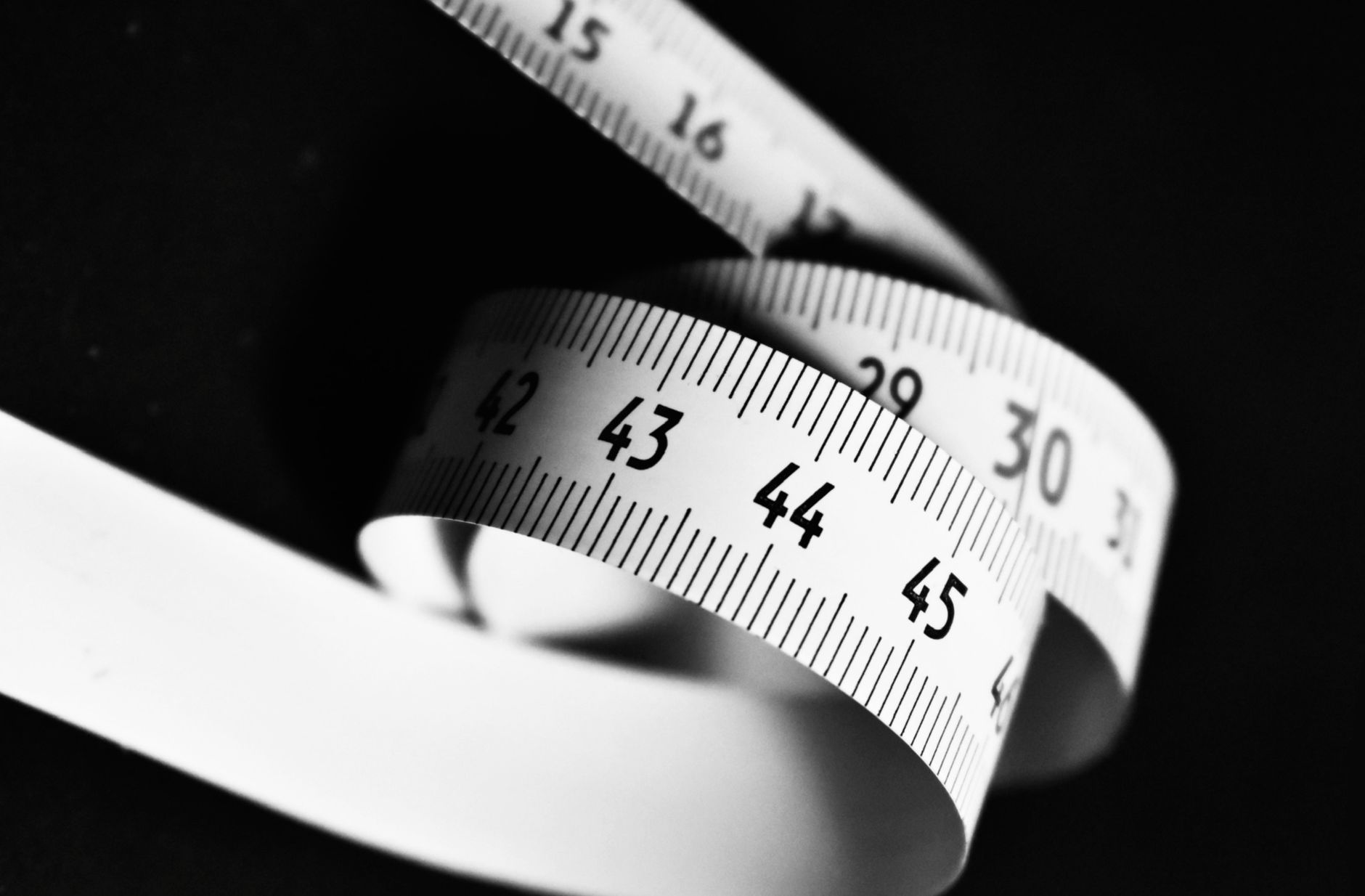
Use a ruler or tape measure on a firm, flat surface, and wear the actual socks you plan to use with the shoes you are buying. Place your heel against a wall, mark the tip of your longest toe, and measure from the wall to the mark in centimetres. Do this for both feet, as many people have a slight size difference between left and right, and always use the larger measurement. Getting a friend to help improves accuracy, since measuring your own foot while standing can cause you to shift your weight and alter the result. This simple process takes about five minutes and dramatically reduces the chance of ordering the wrong size.
Brand-specific size charts are not interchangeable, and this is where many online shoppers go wrong. A size 42 in Nike is not always identical to a size 42 in Timberland or Adidas. Each brand has its own last, which is the mould around which the shoe is constructed, and these vary in both length and width. Always check the size chart on the specific product page rather than applying a universal number. Shopping with a retailer that offers straightforward returns if the fit is not right gives you the flexibility to try the shoe and exchange it if the measurement does not translate perfectly into real-world comfort. At Jojo Shoes, we stock multiple brands precisely because we know different customers fit different lasts better.
Choosing Shoes That Accommodate Size Changes
Shoes with adjustable features handle minor size fluctuations far better than rigid slip-on styles. Lace systems let you loosen the fit on days when swelling is higher and tighten up when your feet are at their smallest. Strap-adjustable sandals and sneakers offer similar flexibility without requiring you to size up permanently. This is particularly useful if your feet change with seasons, health fluctuations, or activity levels. Air Jordan styles with detailed lacing systems, for example, give you meaningful control over fit in a way that a simple pull-on shoe cannot match.
Selecting brands that are known for consistent sizing across their range reduces the guesswork involved when you order online. When you find that a particular brand fits you well in one style, there is a reasonable chance other styles from the same brand will follow the same pattern. This is not a guarantee, but it is a useful starting point that experienced shoe shoppers rely on. Building a short list of two or three trusted brands shortens your decision-making process and cuts down on returns over time. Consistency in sizing is one of the less-celebrated qualities of a good shoe brand, but it is genuinely valuable.
Materials matter as much as shape when it comes to accommodating foot changes. Moisture-wicking fabrics keep the interior of the shoe from becoming damp and tight during long wear, while slightly stretchy uppers adapt to the natural expansion and contraction of the foot throughout the day. Rigid synthetic materials that do not breathe tend to feel increasingly uncomfortable as foot size shifts. Investing in quality construction also means the shoe will gradually mold to the specific contours of your foot over time, which cheap shoes rarely do. A well-made pair of Adidas or Timberland shoes is likely to remain comfortable through gradual foot changes in a way that a budget alternative simply cannot match.
When to Recheck Your Size
After any significant life event that affects your body, measuring your feet again before your next shoe purchase is simply good practice. Pregnancy, meaningful weight gain, or the start of a serious exercise routine are all moments that commonly shift shoe size. Waiting until your current shoes become painful means you have already been wearing the wrong size for some time. Being proactive about remeasuring costs you nothing but a few minutes, and it ensures that your next purchase actually fits from day one. This habit is worth building whether you are buying trainers, dress shoes, or sandals.
Pain is the clearest signal that your shoes no longer fit correctly, but it should not be the only one you listen to. Persistent blisters in the same spot, heel slippage, cramping toes, or numbness are all signs that the shoe is not matching your current foot shape. These symptoms sometimes appear in shoes you have worn comfortably for years, which can be confusing. The explanation in most cases is not that the shoe has changed but that your foot has. Treating these symptoms as a prompt to remeasure rather than pushing through the discomfort protects your foot health over the long term.
A general rule worth adopting is to check your measurement every two to three years as a routine part of footwear shopping, even if you have no obvious symptoms or life changes. Feet shift gradually enough that the change is easy to miss until it becomes a problem. Doing a quick measurement before any significant online order, especially for a brand or style you have not tried before, adds very little time to the process and significantly improves your chances of getting the fit right on the first delivery. For kids, this check should happen even more frequently, since children's feet can grow a full size or more in a single year.
Getting the right shoe size is ultimately about paying attention to your body rather than trusting a number you wrote down years ago. Feet change, and the best response is simply to stay informed and remeasure when life gives you reason to. Whether you are looking for Nike running shoes, Timberland boots, or a fresh pair of Converse for everyday wear, starting with an accurate, up-to-date measurement means the shoes you order are far more likely to feel exactly right when they arrive. Shop based on who your feet are now, not who they were when you first figured out your size.
See everything Jojo Shoes can do for you.
Visit Jojo Shoes →