Timberland Boots for Kenyan Weather: Style That Lasts
Timberland boots work in Kenya's climate—here's how to pick the right pair and care for them in humidity and heat.
See everything Jojo Shoes can do for you.
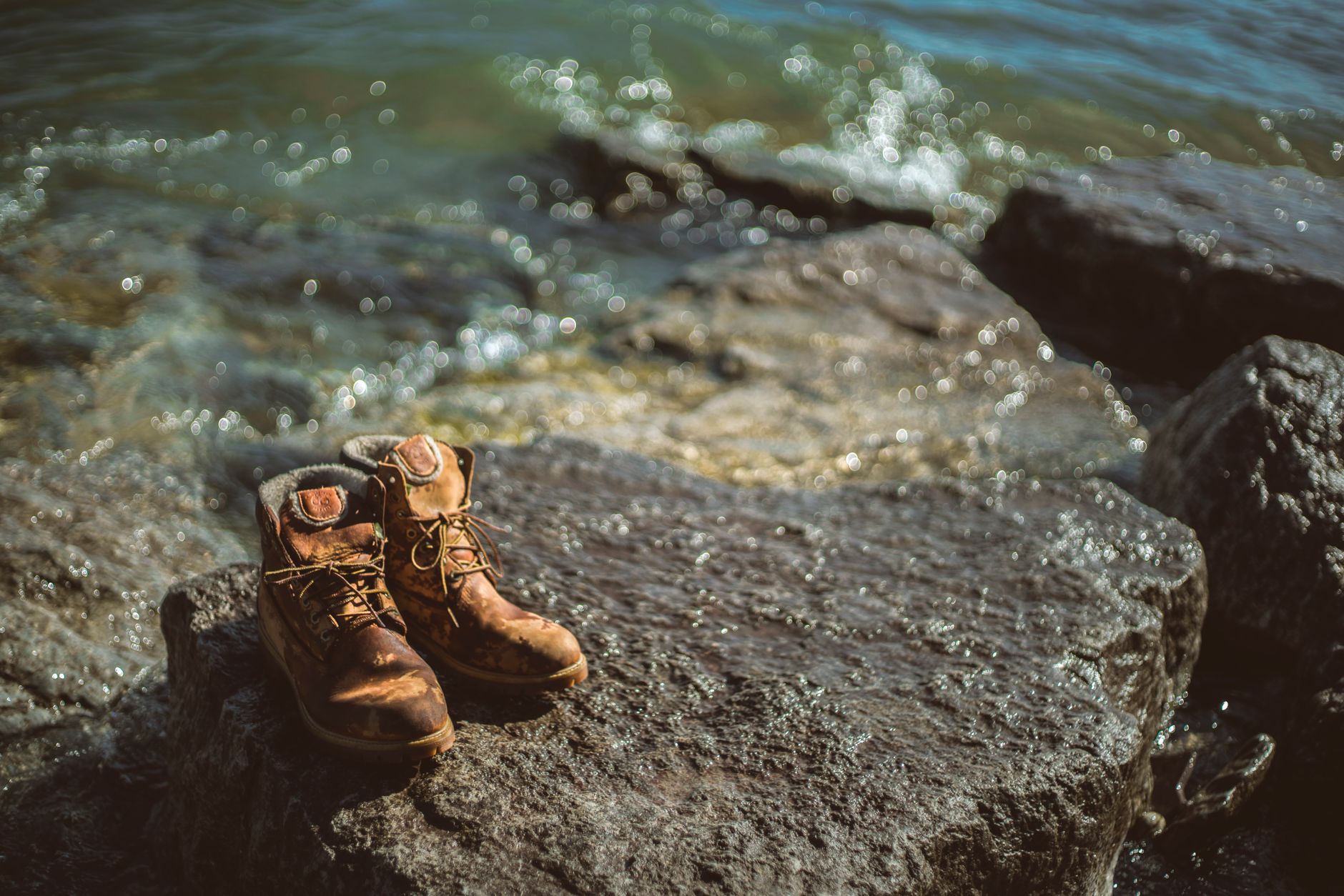
If you have spent any time walking Nairobi's streets during the long rains, you already know that your footwear choices matter. The right pair of boots keeps you comfortable from a morning commute in Roysambu to an afternoon meeting in the CBD, and Timberland has built a strong reputation for doing exactly that. At Jojo Shoes, we stock Timberland boots because our customers keep asking for them, and for good reason.
This article is part of our complete guide: Trending Shoes for Men in Kenya.
Why Timberland Boots Work in Kenya's Climate
Timberland's water-resistant leather is one of the biggest reasons the brand holds up so well during Kenya's two rainy seasons. The leather is treated at the factory to repel moisture, which means April showers and October downpours do not soak through and cause the rot or mold that cheaper boots develop within a season. The material stays structurally sound even after repeated wet-and-dry cycles, which is exactly what Nairobi weather puts your shoes through. This is not a waterproof coating you paint on yourself and reapply every few weeks. It is built into the leather from the start, so the protection holds over time.
Breathability is the other side of the equation that many people overlook. Nairobi temperatures regularly sit between 18 and 26 degrees Celsius, meaning you need a boot that can handle warmth without turning your feet into a swamp. Timberland uses padded collars and mesh lining in many styles to allow airflow even when the boot is fully laced. This balance between water resistance and breathability is genuinely hard to find at this price point. Your feet stay dry whether the threat is rain from outside or heat from within.
The terrain around Nairobi demands a sole that grips and lasts. Timberland's rubber lug outsoles handle everything from smooth office tiles to the uneven pavements around areas like Ngara and Westlands without wearing down quickly. The stitching on the uppers is reinforced in ways you can see when you hold a pair, and the construction does not rely on glue alone. This matters on a practical level because re-soling cheap boots often costs almost as much as a new pair. Buying a boot that does not need that intervention in year one or two is simply better value.
Which Timberland Styles Suit Kenyan Lifestyles
The classic Timberland 6-inch boot is the style most people picture when they hear the brand name, and it earns its reputation here. It transitions from a business-casual Friday at the office to a Saturday walk around Karura Forest without looking out of place in either setting. The wheat nubuck colourway is the most popular, but the style also comes in darker tones that pair well with trousers. Men and women both wear this silhouette, and the cut looks intentional rather than borrowed. If you are buying only one pair of Timberlands, this is the one to start with.
Lightweight Timberland hiking boots are worth considering if your weekends regularly take you beyond Nairobi. The Aberdare Ranges, Mount Longonot, and the trails around Lake Naivasha all reward a boot with ankle support and a grippy sole. These styles are noticeably lighter than the 6-inch boot, so your legs do not tire as quickly on longer walks. They also clean up well enough to wear for casual errands during the week. If outdoor activities are part of your regular routine, this category gives you the most flexibility.
Chelsea boots from Timberland bring the brand's build quality into a silhouette that works for people who dress more formally or simply prefer a cleaner look. The elastic side panels make them easy to slip on and off, and the profile is slim enough to tuck under tailored trousers. Both men and women find this style versatile because it moves easily between smart-casual and weekend wear. Timberland's version of the Chelsea keeps the rugged sole that gives you real-world grip, rather than the thin leather sole you find on dress boots. That combination is genuinely useful in a city where the pavement can change without warning.
For those who prefer not to deal with laces at all, Timberland's casual slip-on styles offer a low-effort entry into the brand. These are relaxed shoes rather than heavy boots, and they suit warm afternoons in Nairobi when you want something easy to pair with chinos or jeans. The craftsmanship is consistent with other Timberland products, so you still get durable stitching and quality leather. They are particularly popular with customers who already own a heavier boot and want a lighter alternative for everyday use. Think of them as the shoe you reach for when you are not heading anywhere that requires serious footwear.
Finding Your Timberland Size Online at Jojo Shoes
Sizing is the question we get asked about most when customers shop for Timberland boots online, and the consistent answer is that the brand runs slightly large. If you are between a full size and a half size, go down the half size rather than up. This is especially true for the 6-inch boot, which has a slightly roomy toe box compared to most everyday trainers. Customers who ignore this tip and order their usual size often find the boot slips at the heel. It takes one experience to learn, so we mention it upfront.
The best time to measure your feet is in the afternoon. Feet naturally swell slightly over the course of a day, and a measurement taken in the morning can leave you with a boot that feels tight by evening. Use a tape measure or stand on a piece of paper and mark the longest point of your foot from heel to toe. Compare that figure to the Timberland size chart, which we can share with you when you place an order through Jojo Shoes. Getting this right before you order saves everyone time.
If you plan to wear thick socks with your boots during cooler Nairobi mornings or highland trips, factor that into your size decision. A boot that fits perfectly with a thin sock may grip your foot uncomfortably when you add wool or thermal socks. Some customers actually prefer going up a half size specifically to accommodate thicker sock options in June and July. It sounds like a small detail, but comfort over a full day of wear depends on these small decisions. Think about how you actually plan to wear the boots before you confirm your size.
One practical advantage of ordering through Jojo Shoes is that our free countrywide delivery means you can try the boots at home before you commit fully. If you are in Nairobi, delivery is quick. If you are in Mombasa, Kisumu, or further out, we ship countrywide so you are not forced to rely on a guess alone. We want you to end up with a pair that fits correctly, so we encourage customers to contact us with any sizing questions before placing an order.
Caring for Timberland Boots in Humid Kenyan Heat
A simple weekly wipe-down keeps Timberland boots looking good far longer than most people expect. Use a damp cloth to remove the dust that builds up on Nairobi's roads, and pay attention to the seams where salt from perspiration tends to accumulate and weaken stitching over time. You do not need specialist products for this step, just a clean cloth and a few minutes. Doing this consistently is more effective than a deep clean every few months. Small efforts compound into a boot that still looks presentable after two or three years of regular wear.
Leather conditioning is the step that separates boots that last from boots that crack and peel. Apply a good leather conditioner every two to three months, massaging it into the leather with a soft cloth and allowing it to absorb fully before you wear the boots again. Nairobi's alternating heat and humidity puts stress on leather because it causes the material to expand and contract repeatedly. Conditioning replaces the natural oils that this process draws out. Without it, even well-made leather eventually cracks along the flex points at the toe and ankle.
Storage matters more than most people realise, especially during the months when you rotate to lighter shoes. Keep your Timberlands in a cool, dry place away from direct sunlight, because UV exposure fades the leather and degrades the rubber outsole faster than regular wear does. Avoid leaving them in a car boot where temperatures spike significantly on hot afternoons. If you have the original box, store them in it. A cedar shoe tree inside each boot helps maintain the shape and absorbs residual moisture between wears.
Insoles take more punishment than any other part of a boot, absorbing sweat and pressure every time you take a step. Replacing the insoles once a year is a small investment that keeps your boots feeling fresh and extends the life of the boot's interior lining. Many customers are surprised by how much of the comfort they attribute to the boot itself actually comes from the insole. Timberland replacement insoles are available, and even a good third-party insole makes a real difference. Think of it as servicing the boot the way you would service anything else you rely on daily.
Budget-Friendly Timberland Options at Jojo Shoes
Timberland's entry-level styles sit at a lower price point than their premium hiking lines, but they are built from the same brand's standards and materials. These are not stripped-down versions where corners have been quietly cut. They simply have fewer technical features designed for extreme outdoor use, which most Nairobi customers do not need day to day. A pair bought at this level can last three to five years with the care described above. That lifespan makes the cost per wear very reasonable compared to cheaper alternatives you replace each year.
Our stock at Jojo Shoes rotates seasonally as new Timberland arrivals come in, and this can work in your favour if you are price-conscious. When new styles land, older colourways or previous-season models sometimes become available at better prices, so it is worth checking our catalogue regularly. We recommend following our updates so you do not miss those windows. Timing your purchase around a stock refresh has helped many of our regular customers get the pair they wanted at a price that suited their budget. Being an informed buyer costs nothing.
Customers in Nairobi benefit from our free in-town delivery, which removes the transport cost and time you would spend travelling to a physical shop. For customers outside Nairobi, our countrywide shipping brings the same convenience to your doorstep wherever you are. These savings are real and should be part of how you think about the total cost of your purchase. A Timberland boot ordered from Jojo Shoes arrives without bus fare, parking fees, or time spent navigating traffic. That convenience is part of the value we offer.
The argument for investing in one quality pair rather than several cheap ones comes down to simple arithmetic over a three-year period. Three pairs of low-cost boots bought at intervals add up to more money spent, more time spent shopping, and more disruption when a pair fails unexpectedly. One pair of Timberlands, properly cared for, costs less in total and causes less frustration. Your feet also benefit from consistent, well-constructed support rather than adapting repeatedly to different shoe constructions. It is a decision that pays off in comfort as much as in finances.
Timberland boots are a practical, long-lasting choice for Kenyan conditions, and finding the right pair does not have to be complicated. At Jojo Shoes, we stock a range of Timberland styles for men, women, and children, and our team is happy to help you choose the right fit before you order. Browse our current shoe collection and reach out with any questions before you buy.
See everything Jojo Shoes can do for you.
Visit Jojo Shoes →