Timberland Boots for Nairobi Weather: Care Tips That Last
Learn how to maintain Timberland boots in Kenya's climate so they stay waterproof, comfortable, and looking sharp year-round.
See everything Jojo Shoes can do for you.
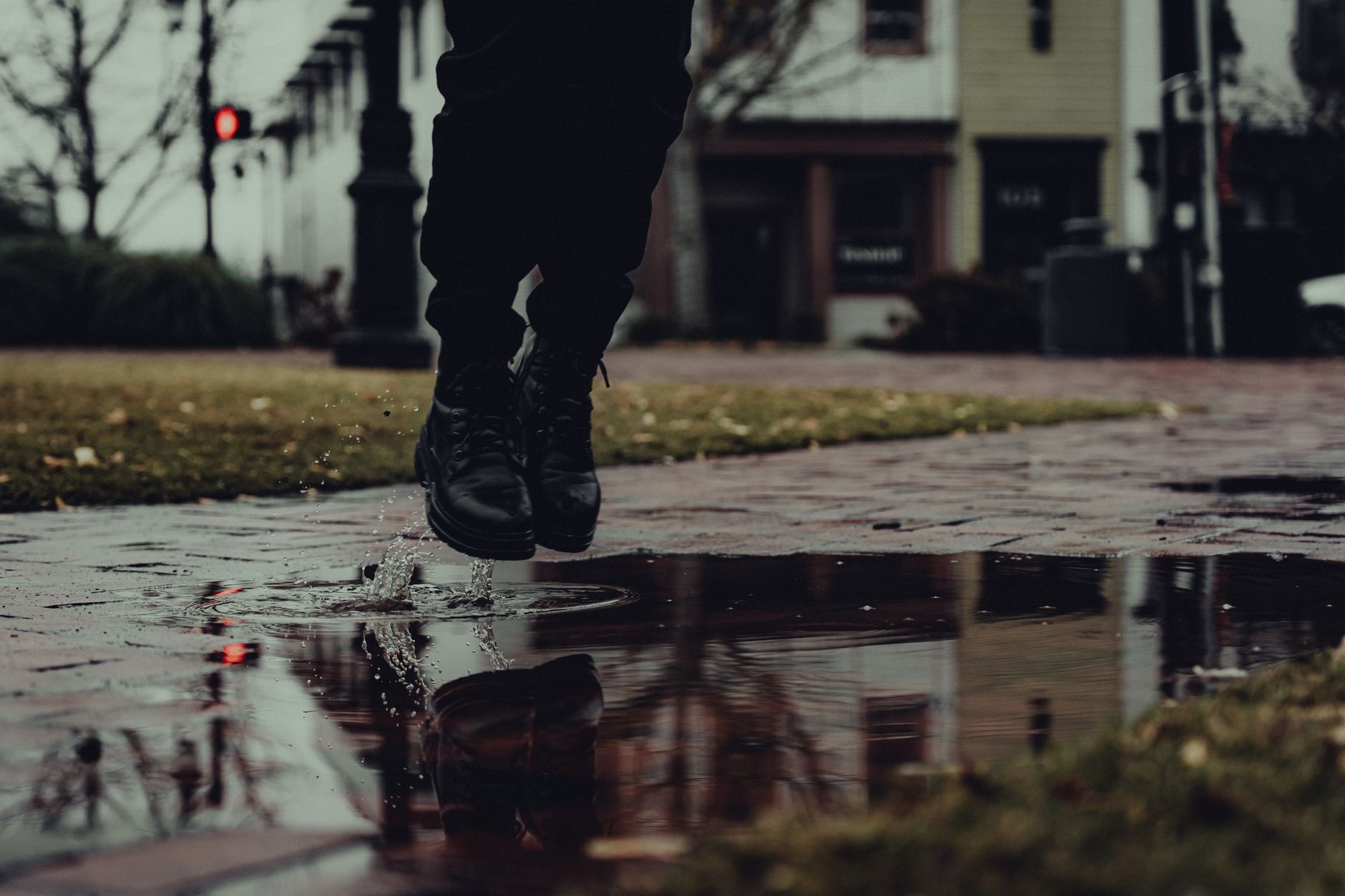
If you own a pair of Timberland boots in Nairobi, you already know they attract attention wherever you go. What fewer people realise is that the same city that makes those boots look so good can quietly destroy them if you skip the upkeep. Nairobi's mix of long rains, red soil, and intense dry-season heat is genuinely tough on premium leather, and Timberlands deserve better than a quick wipe-down once in a while.
This article is part of our complete guide: Trending Shoes for Men in Kenya.
Why Timberland Boots Need Special Care in Kenya
Nairobi experiences two rainy seasons each year, and each one brings sustained moisture exposure that works its way into leather and seams over time. Water that sits in the grain of nubuck leather weakens the fibres and can cause the upper to separate from the sole if left unchecked. On top of that, the red laterite soil found across much of the city is finer and more abrasive than ordinary dust, grinding into the leather surface in ways that casual wiping does not fully remove. Timberland's factory waterproofing is solid, but it is not permanent and fades with every wet walk or dusty commute. Without scheduled maintenance, you are left with leather that cracks, seams that fray, and a boot that looks tired well before its time. Treating your Timberlands properly is not just about appearances; it is about protecting the real money you spent on them.
How Nairobi's Seasons Change What Your Boots Need
The long rains running from March through May and the short rains arriving in October and November create very different challenges from the dry months that follow. During a wet season, moisture penetration and mould growth are the main threats, so breathability and regular drying become your priorities. During the dry spells of January and July, the heat draws oils out of the leather, making cracking and surface brittleness the bigger concerns. A single care routine applied year-round will not address both problems equally well. Adjusting your approach by season keeps the boots in better condition than any one-size-fits-all method. Knowing what each season does to premium leather is the first step toward protecting your investment properly.
Cleaning Your Timberlands After Wet Weather
The single most important rule is to deal with mud and water as soon as you get home, not the following morning. Use a soft-bristled brush, and a dedicated suede brush works best for nubuck, to knock off dried mud before it bonds more firmly to the surface. Follow that with a damp cloth wiped across the exterior in short, even strokes, and resist the temptation to run the boot under a tap. For stubborn stains that a damp cloth cannot shift, reach for a cleaner formulated specifically for leather or nubuck rather than a general household product. Once clean, leave the boots in a well-ventilated room away from direct sunlight and far from any heat source such as a radiator or cooking area. Rapid drying is one of the fastest ways to crack premium leather, so patience at this stage pays off significantly.
What to Avoid When Cleaning Nubuck
Soaking nubuck in a bucket of water causes the leather to swell unevenly, which leads to creasing and can loosen the adhesive around the welt. Household detergents and washing-up liquid strip the natural oils from the leather and leave the surface dry and prone to tearing. Rubbing too hard with a rough cloth raises the nap of nubuck in uneven directions and creates patches that look permanently scuffed. Wire brushes, which some people reach for when mud has dried on, scratch the surface layer and create entry points for water. Baby wipes are another common mistake; they contain alcohol and fragrance compounds that dry out leather over repeated use. Sticking to products and tools made for leather and nubuck keeps the material intact through many cleaning cycles.
Protecting the Waterproof Layer Year-Round
Many people apply waterproofing spray in March or October just before the rains arrive and then forget about it for another year. A more reliable schedule is to apply a quality waterproof conditioner every three to four months, which covers both rainy seasons and the harsh dry spells in between. The product you choose matters as much as how often you use it, since Timberland nubuck requires treatments formulated specifically for nubuck or full-grain leather. Generic silicone sprays can actually clog the pores of the material and cause long-term damage that is difficult to reverse. Take a few minutes while the boot is clean and dry to inspect the seams and stitching before each treatment session. Early signs of thread fraying or seam separation are simple to address with a touch of seam sealer, but if you miss them, water gets in at exactly those weak points during the next downpour.
Reapplying Waterproofing After Deep Cleans
Every time you deep-clean your Timberlands, some of the protective coating comes away with the dirt. This means that after any thorough cleaning session, you should reapply your waterproofing treatment before wearing the boots again. Skipping this step and heading straight outside in wet conditions is one of the most common reasons waterproofed boots start leaking sooner than expected. Apply the conditioner to a clean, slightly damp boot rather than a fully dry one, since the leather absorbs the product more evenly when it has a small amount of residual moisture. Work the product into the seams and around the eyelets as well as across the main surface of the upper. Let the boot dry for the time specified on the product label before testing it in any wet conditions.
Drying and Storage in Kenya's Climate
Getting the drying process right is just as important as the cleaning itself. Once you have removed surface dirt and wiped the boots down, stuff them firmly with sheets of crumpled newspaper, which pulls moisture out from inside the boot and helps the leather hold its original shape as it dries. Replace the newspaper after an hour or two if the boots were heavily saturated, since wet paper stops absorbing and starts reintroducing moisture to the lining. When it comes to storage, a sealed plastic bag or airtight box might feel protective, but it actually traps the humidity that Nairobi's climate generates. That trapped moisture is where mould begins, and mould on nubuck is extremely difficult to remove without damaging the surface. A breathable cotton shoe bag or an open shelf in a cool, shaded room is a far more sensible choice for long-term storage.
Airing Boots You Are Not Wearing Regularly
During the long rains in April and May or the short rains in November, take the boots out and air them for a couple of hours each week even if you have not worn them recently. Leather that sits sealed in a warm, damp environment without airflow develops a musty smell that is hard to eliminate and signals early mould activity inside the lining. Direct sunlight is the other enemy to avoid during storage, since UV exposure breaks down the oils in the leather and causes the colour to fade unevenly. A position near an open window that receives indirect light and a steady breeze is close to ideal. Cedar shoe inserts are worth adding to the inside of the boot between wears, as they absorb residual moisture and keep the interior smelling clean. Consistency with these small habits costs almost no time but adds noticeably to how long the boots stay presentable.
Dealing with Salt Stains and Mineral Deposits
You may notice white or pale grey marks appearing on your Timberlands after a rainy-day walk, and these are mineral deposits left behind as water evaporates from the leather surface. Nairobi's soil and tap water both carry dissolved minerals that concentrate on the upper as the moisture dries, and they can look like salt stains even if you never went near the coast. The most effective home remedy is a solution of equal parts white vinegar and clean water, applied with a soft cloth using light circular strokes. Before treating any visible area, test your solution on a small hidden section of the boot, such as the back near the heel, and wait a few minutes to confirm it does not affect the colour. After wiping away the deposit, dry the area immediately with a clean cloth rather than leaving it to air dry on its own. The best long-term strategy is prevention: a quick brush after each wear stops mineral particles from setting into a harder crust that requires more aggressive removal later.
When to Get Professional Restoration at Jojo Shoes
Some damage goes beyond what a brush and conditioner can fix at home, and that is when a conversation with someone who knows the boots is worth having. Deep scuffs that have removed colour from the leather surface, or significant creasing across the toe box, respond well to professional leather conditioning and colour restoration rather than home remedies that can make the marks more visible. At Jojo Shoes, we are happy to advise customers on our available shoe care support and products so you can make an informed decision before spending on unnecessary repairs. Sole replacement is another conversation worth having early: once the tread on a Timberland wears below a certain point, grip suffers and the midsole starts taking on impact it was not designed to absorb. A professional waterproofing treatment applied by someone with the right equipment penetrates deeper than a spray-on product and can significantly extend the life of a heavily used pair. The consistent theme across all of this is that small, regular attention costs far less in time and money than waiting until the boots need serious work to be wearable again.
Taking care of your Timberlands in Nairobi is not complicated, but it does require consistency. A brush here, a conditioner application there, and smart storage choices will keep a well-made boot looking sharp and functioning properly for years rather than seasons. If you are ready to invest in a pair worth caring for, browse our current Timberland stock and find your next favourite pair.
See everything Jojo Shoes can do for you.
Visit Jojo Shoes →