When to Replace Your Shoes: Signs It's Time for New Ones
Shoe cushioning degrades before visible damage appears, causing joint stress and injury risk. Replace running shoes every 500-800km (6-12 months), casual sneakers and work shoes every 1-2 years, and Timberland boots every 3-5 years. Check for uneven wear, compressed insoles, and heel counter softening to identify when replacement is needed.
See everything Jojo Shoes can do for you.
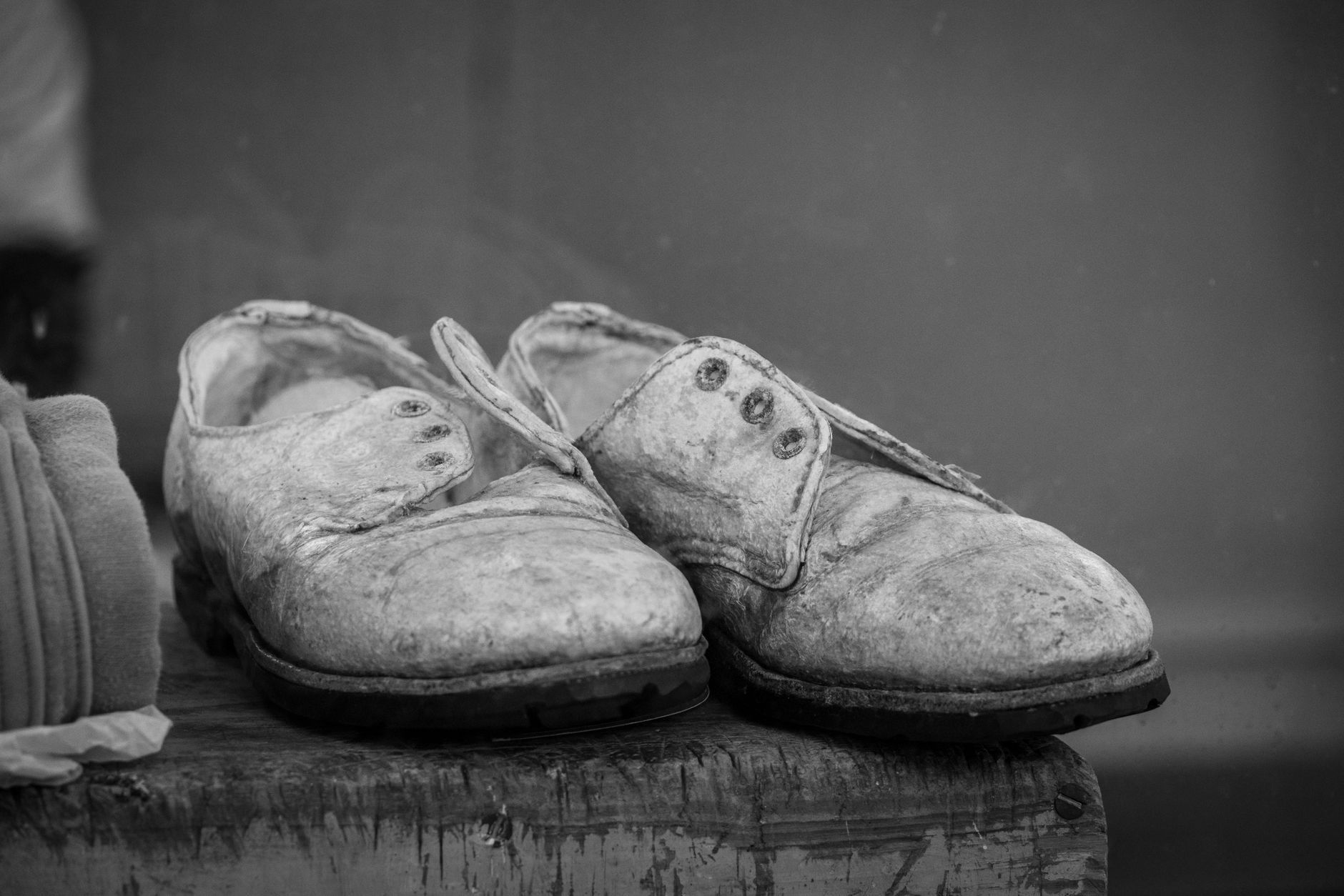
Your shoes work hard every single day, and like any tool that gets heavy use, they wear out. Most people wait until a sole falls off or a toe pokes through before thinking about replacements, but by that point the shoes have already been causing damage quietly for months. Knowing when to retire a pair is one of the simplest things you can do for your long-term comfort and health.
Why Shoe Replacement Matters More Than You Think
The cushioning inside a shoe is engineered to absorb impact, and that cushioning breaks down long before the outside looks bad. Once it goes flat, every step sends more force into your heel, knee, and lower back than your body is designed to handle. Over time, this repetitive stress adds up into real pain that can sideline you from work, exercise, and daily life. A lot of people treat the resulting pain with painkillers or physiotherapy without realising the shoes are the root cause. Replacing a pair of shoes is a fraction of the cost of even one physiotherapy session, which makes timely replacement genuinely the more affordable choice. Think of it as maintenance, not spending.
Old shoes also increase your injury risk in ways that feel unrelated to footwear. When the midsole collapses, your ankle stops getting the lateral support it needs, making rolls and sprains far more likely during a jog or even a brisk walk. Research in sports medicine consistently links worn running shoes to shin splints, stress fractures, and IT band problems. The risk is not limited to athletes. Someone walking around Nairobi's uneven pavements in dead shoes is one bad step away from a turned ankle. Good footwear is simply protective equipment, and it stops protecting you once it wears out.
There is also a longer game to consider. The mechanics of how you walk are shaped partly by the footwear you wear daily. Shoes that no longer support your arch correctly can alter your gait over years, creating imbalances that become harder to correct as you age. Taking care of your feet in your thirties and forties pays off significantly in your sixties and beyond. Replacing shoes on schedule is one of the lowest-effort, highest-return habits you can build around your physical health.
Clear Signs Your Shoes Need Replacing
The most obvious signal is visible damage: holes in the upper, a sole that has started separating at the toe or heel, or leather that has cracked past the surface finish. If you can see daylight through any part of the shoe, the structural integrity is already gone. At that point the shoe is not just uncomfortable but potentially unsafe, especially on wet surfaces. A separated sole can catch on a step or a curb and cause a serious fall. Do not wait for damage to reach this stage before acting.
Flip your shoes over and look at the heel and the ball of the foot. Uneven wear is one of the clearest early warnings that cushioning and support are failing. If one side of the heel is noticeably more worn than the other, or if the tread under the ball of your foot is smooth while the rest still looks fine, the shoe is done. Uneven wear also tells you something about your gait that a new, better-fitted pair can help correct. It is worth noting which brands and styles felt best before buying your replacement.
Press your thumb firmly into the insole, right under the heel and arch. A healthy insole springs back; a dead one stays compressed or barely moves. This test takes about five seconds and tells you more about remaining cushioning than any visual inspection. If the foam feels like hard cardboard rather than sponge, your foot has been walking on essentially nothing for a while. Pair this check with noticing how the shoe feels during a full day of wear, because discomfort that arrives by afternoon is a strong sign the cushioning has given up.
A shoe that has been properly broken in should feel comfortable from the first minute you put it on. If a pair you have owned for over a year is suddenly causing hot spots, rubbing, or general discomfort, it is not the shoe finding a new fit. That is the structure collapsing. The heel counter, which is the stiff cup at the back that keeps your heel centred, often softens and folds down before anything else fails visually. Once that goes, the whole shoe loses its ability to hold your foot correctly.
How Long Different Shoe Types Actually Last
Running shoes have the shortest lifespan of any common footwear category because they are built to absorb high-impact force repeatedly. Most manufacturers and sports medicine professionals suggest replacing them every 500 to 800 kilometres, which translates to roughly six to twelve months for someone running four or five days a week. The foam compounds used in midsoles like Nike's React or Adidas's Boost are excellent when fresh, but they degrade with use even if the outer sole looks intact. If you run regularly, tracking your mileage is not obsessive behaviour. It is just sensible maintenance.
Casual sneakers worn for daily errands, school, or light socialising tend to last one to two years for most people. The wear rate depends heavily on how many days per week you rotate them and what surfaces you walk on. Cobblestones and rough terrain eat through outsoles faster than smooth floors. Converse and Air Jordan silhouettes, for example, are often bought for their looks, but their midsoles still break down and should be replaced on the same timeline as any other everyday shoe.
Work shoes typically last one to two years, though leather dress shoes with rubber soles can push further if they are resoled professionally. The key variable is how many hours per day you are on your feet. Someone standing on a hard floor for eight hours a day will compress a midsole far faster than someone at a desk. Timberland boots are the outlier in this list. With proper conditioning and cleaning, a quality pair of Timberlands can serve you well for three to five years, making them one of the better long-term investments in footwear.
Kids' shoes sit at the other extreme, not because of quality, but because children's feet grow so quickly. A good rule of thumb is to check fit every three months and plan for full replacement every six to nine months. A shoe that fits well in January may be cramping toes by August. Cramped shoes in growing feet are not just uncomfortable; they can affect how the foot develops. Buying well-made kids' shoes from reliable brands and replacing them consistently is genuinely one of the best things parents can do for their children's long-term foot health.
Track Your Shoe's Age and Mileage
The simplest tracking method costs nothing. Write the purchase date on the inside of the tongue or on the insole with a permanent marker. You will always know exactly how old a pair is without having to guess or search through old messages. This is especially useful when you own several pairs and rotate them, because a shoe worn two days a week ages differently from one worn every day. A quick glance gives you the information you need when you are trying to decide whether to pack a particular pair for a trip or finally retire them.
If you run or walk for fitness, use a running app or your phone's built-in health tracking to log distance against specific pairs. Several apps let you assign shoes and will alert you when you hit a distance threshold. Even a simple notes app where you record weekly mileage per pair takes less than two minutes and removes all guesswork. Pairing distance tracking with your purchase date gives you the most complete picture of where a shoe stands in its life. When both the age and the mileage are approaching their limits at the same time, replacement is overdue.
For casual shoes, estimate your daily wear honestly and count the days. If you wear a pair four days a week for fifty weeks a year, that is two hundred days of use in twelve months. Comparing that figure to expected lifespan helps you plan rather than react. Keeping purchase receipts or even just a phone photo of the box with the date tells you what you paid and when, which is useful if you want to buy the same model again. Good records also make it easier to spot patterns in which shoes wore out faster than expected and which ones delivered excellent value.
What Happens When You Wear Shoes Too Long
Plantar fasciitis is one of the most common complaints among people who extend their shoes past their natural lifespan. The plantar fascia is a thick band of tissue running along the bottom of your foot, and it is placed under abnormal stress when arch support collapses. The result is sharp heel pain, usually worst first thing in the morning, that can take months of treatment to resolve. Heel spurs and general arch pain develop through the same mechanism and are equally stubborn once they set in. No amount of stretching fully compensates for a shoe that cannot do its job.
Blisters and calluses are the body's direct response to friction and pressure in the wrong places. When cushioning is gone, the foot moves inside the shoe more than it should, and areas that were once protected start taking punishment. Calluses are the body's attempt to protect itself, but thick calluses on the ball of the foot change pressure distribution and can create their own pain cycle. Blisters during everyday wear, not during a new shoe break-in period, are a reliable sign that something structural has failed. These are not minor inconveniences. They are the foot telling you it is struggling.
Worn-out shoes also affect joints well above the foot. The ankle and knee compensate for lost stability by working harder and in slightly altered positions, which leads to chronic pain in those joints over time. The compensation can travel all the way to the lower back. You may never connect the back pain you have been living with to the shoes you wore for two years past their prime, but the link is there more often than most people realise. Gait changes from poor footwear can also accelerate wear on the soles of other shoes you own, because you are walking differently across your whole wardrobe.
Worn-down treads are a straightforward safety issue. A smooth outsole on a wet Nairobi morning pavement, a polished office floor, or a tiled shopping mall is a genuine slip hazard. Falls cause sprains, fractures, and worse, and the risk is entirely avoidable. Checking tread depth takes less than ten seconds and is worth doing every couple of months on shoes you wear frequently.
Finding Your Replacement Shoes at Jojo Shoes
When you are ready to replace a pair, start with what you already know works. If a size eight in a particular brand fit you perfectly for the last year, that is your baseline. Sizing varies between brands, so if you are switching from Nike to New Balance, for example, it is worth checking measurements against a size guide before ordering. Width matters too, especially for people who have dealt with blisters or pinching in narrower fits. Building on a proven fit saves time and avoids the frustration of receiving a pair that does not work for you.
Think about what you actually need the shoes for before browsing. A pair of Adidas running shoes will serve a regular jogger far better than a lifestyle sneaker that looks similar. Someone who spends long hours standing at work needs a different construction from someone buying a pair of Air Jordans for the weekend. Matching shoe purpose to activity level is the single most effective way to get full value from a new pair and avoid replacing them sooner than necessary. Being specific about your use case also helps narrow down the options quickly.
At Jojo Shoes you will find a solid range of trusted brands including Nike, Adidas, Timberland, New Balance, Converse, and Air Jordan, covering men, women, and kids. Delivery within town is free, and countrywide shipping means you can order from anywhere in Kenya without leaving home. One practical tip: order your replacement pair before your current shoes have completely given up. Wearing a new pair before the old one is entirely dead means you always have a functioning backup and you never have to walk around in something that is hurting your feet while you wait for delivery.
Good shoes are worth replacing on time. Most foot, knee, and back problems that come from footwear are preventable, and the cost of a quality replacement is almost always less than the cost of treating the problems that worn-out shoes cause. Once you start paying attention to the signs, you will find it becomes second nature to know when a pair has done its job and it is time to move on.
See everything Jojo Shoes can do for you.
Visit Jojo Shoes →