Why Kids' Shoe Sizes Change So Fast (And How to Save Money)
Kids outgrow shoes every few months. Learn why this happens, how to predict the next size, and smart shopping strategies to stretch your budget.
See everything Jojo Shoes can do for you.
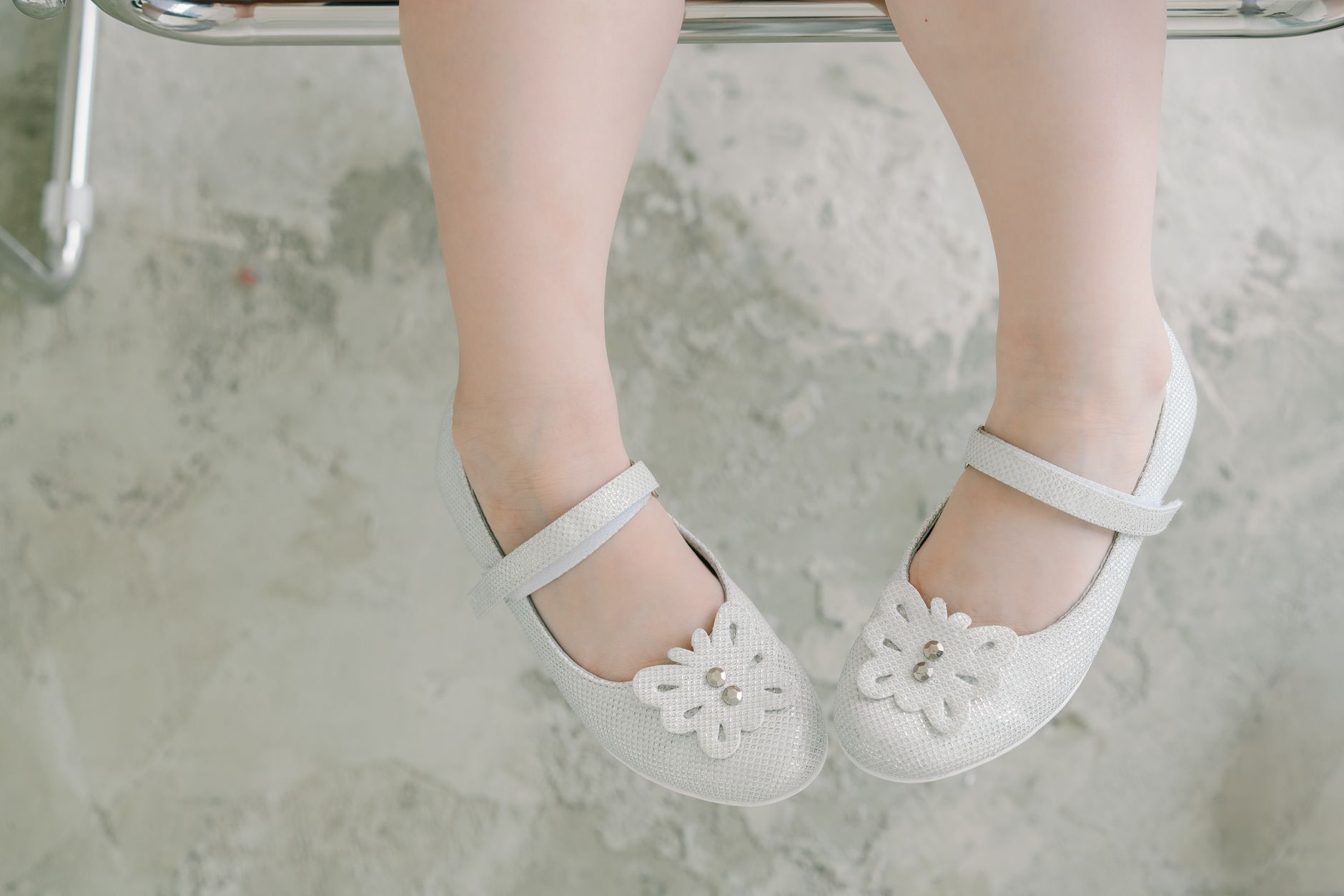
If you have ever bought your child a brand-new pair of shoes only to find they no longer fit two months later, you are not imagining things. Kids' feet grow at a pace that can feel almost impossible to keep up with, and the cost adds up fast. The good news is that understanding how and why this happens puts you in a much better position to shop smart, save money, and keep your child comfortable all year round.
This article is part of our complete guide: Kids Shoes Nairobi.
How Fast Do Kids' Feet Actually Grow?
During early childhood, a child's feet can grow up to a full shoe size every three to four months. That means a pair of shoes bought in January could be too small by April, sometimes even sooner if a growth spurt hits hard. Growth does tend to slow down a little between the ages of six and eight, giving parents a brief window to breathe before things speed up again. The pre-teen and early teen years bring another round of rapid changes, often catching families off guard. For girls, foot growth typically wraps up somewhere between ages fourteen and sixteen, while boys continue growing until sixteen to eighteen. The unpredictability of these spurts is exactly what makes buying the right size at the right time feel like a guessing game.
Why the Rate of Growth Varies Between Children
Not every child grows at the same rate, and that variation can make it difficult to use general timelines as a reliable guide. Genetics plays the biggest role, so if you or your partner had large feet early on, your child is likely to follow a similar pattern. Nutrition matters too, since children who are well-nourished tend to hit growth milestones earlier and more intensely than those who are not getting enough of the right nutrients. Activity level is another factor, because physically active children often develop their feet faster in response to the demands placed on them. Even birth season can have a small effect, with some research suggesting that children born in certain months gain height and foot size at slightly different rates. The practical takeaway is that no fixed calendar can replace regular measuring at home.
Why Kids' Feet Grow Faster Than Adults'
Children are born with feet that are largely made up of soft cartilage, and that cartilage slowly hardens into bone throughout childhood. This process of ossification takes years, and while it is happening, the foot is also lengthening and widening to accommodate the child's increasing height and body weight. When a child goes through a general growth spurt, their feet have to keep up because larger feet provide the base of support that a taller, heavier body needs. Arch formation is another factor that many parents overlook, because as the arch strengthens and develops, the shape of the foot changes noticeably. A shoe that fit perfectly three months ago may suddenly feel wrong even if the length measurement has barely moved. Children who are very active in sports or physical play may also need support upgrades more frequently because their feet are under greater stress and responding faster.
How the Developing Arch Changes Fit
The arch of a child's foot is not fully formed at birth and continues developing well into the early school years. Until around age six, most children have what looks like a flat foot simply because a fat pad fills the arch area and the underlying structure is still soft. As the ligaments tighten and the muscles strengthen, the arch gradually lifts and the foot narrows through the middle. This narrowing means that a shoe which once felt fine across the width can suddenly feel loose or unsupportive, even in the same nominal size. Parents sometimes assume that a shoe that has not worn out is still a good fit, but a changed arch profile tells a different story. Paying attention to how your child stands and walks, not just how the shoe looks from the outside, gives you much better information about fit.
How to Measure Your Child's Shoe Size at Home
The best time to measure your child's feet is in the afternoon rather than first thing in the morning. Feet swell slightly over the course of a day from walking and activity, so an afternoon measurement gives you a more accurate picture of how a shoe will actually feel during normal use. Stand your child on a flat surface and have them put their full weight through the foot, because a foot spreads slightly under load and a sitting measurement can give you a number that is a little too small. When checking the fit, leave about a thumb's width between the end of the longest toe and the tip of the shoe. This gap, roughly half an inch, gives the foot enough room to flex naturally without the shoe being so loose that it causes tripping or heel slipping. It is also worth measuring both feet separately, because many children have one foot that is slightly larger, and you should always size for the bigger one.
How Often to Remeasure
During the peak growth periods of spring and the start of the school term, aim to remeasure every two to three months rather than waiting until shoes look worn out or your child starts complaining. Younger children, particularly those under five, may need even more frequent checks because their growth rate is at its highest during these early years. Setting a reminder on your phone at regular intervals takes the guesswork out of it and means you are rarely caught short. Keep a simple note of your child's last measurement date and size so that you have a reference point each time. Children often do not volunteer the information that their shoes feel tight, so a scheduled check removes the reliance on them to report discomfort. A few minutes every couple of months is a small investment compared to the cost of letting a poor fit go unnoticed for too long.
Smart Shopping Strategies to Stretch Your Budget
One of the easiest ways to get a little more life out of a pair of children's shoes is to choose styles with adjustable straps or laces. These allow you to accommodate minor fluctuations in foot width or volume without having to buy a new pair the moment things feel slightly snug. Neutral colors and classic silhouettes are also worth prioritizing, especially if you have younger siblings who could inherit the shoes further down the line. A clean white or black trainer that works across seasons stays relevant much longer than a very trend-specific colorway that dates quickly. Resist the temptation to buy two or three pairs of the same size just because you found a good deal, since growth does not pause to wait for your stockpile to run down. Durable brands whose construction holds up through months of running and school wear will generally cost less per month of use than cheaper options that fall apart quickly.
Getting Value from Second-Hand and Sale Cycles
Children's shoes that have been worn for only a short time before being outgrown are often in genuinely good condition, making second-hand options worth considering for styles that see lighter use. School shoes and formal styles tend to hold up better in the second-hand market than heavily used sports shoes, so it is worth being selective about which categories you buy new versus pre-owned. End-of-season sales are another reliable opportunity to save money, particularly if you are buying a size up from your child's current measurement to prepare for the next growth stage. The risk with buying ahead is timing, so limit this strategy to buying half a size to one size larger rather than stocking up broadly. Checking in on our kids' shoe collection regularly means you can move quickly when the right size becomes available at a good price, rather than settling for whatever happens to be left in stock. A little patience and timing awareness can meaningfully reduce what you spend across the year.
What Happens When Shoes Are Too Small
A shoe that is too small does more than just feel uncomfortable in the moment. Cramped toes create the conditions for blisters, ingrown toenails, and persistent foot pain that can change the way a child walks and runs over time. Restricted movement in the foot can also interfere with natural development, potentially leaving children with lasting discomfort that extends well beyond the childhood years. The problem is that children are often unreliable reporters of foot pain, partly because they adapt to discomfort and partly because they may not want to give up a pair of shoes they like the look of. Watch for indirect signs instead, such as a child rubbing their heel against the floor to loosen a shoe, toes pressing visibly against the upper, or a reluctance to run around during sports and playtime. Acting quickly when you notice these signals protects both your child's foot health and your longer-term spending, since problems caught early are far easier to address.
Signs That a Shoe Has Become Too Small
Beyond the obvious signs of toes pressing against the front of the shoe, there are subtler clues that the fit has gone wrong. A child who suddenly starts tripping more often may be compensating for a shoe that no longer allows the foot to flex properly through the stride. Redness or marks on the skin after removing shoes are a clear sign that something is pressing where it should not be. Complaints of tired legs after relatively short periods of activity can also point to poor foot support rather than general fatigue. If your child is walking on the outsides of their feet or curling their toes under, these are postural adjustments that suggest the foot is not sitting comfortably inside the shoe. Catching these patterns early and responding with a proper remeasure costs nothing and can prevent a visit to a podiatrist down the line.
When to Buy and What to Stock in Your Shoe Rotation
The most practical approach for most families is to buy school shoes and everyday sneakers as they are needed rather than stocking up in advance. Since growth timing is so unpredictable, bulk buying rarely saves money and often results in shoes that are outgrown before they are even worn properly. A simple rotation of two pairs works well for most children: one pair for school and daily use, and one slightly roomier pair for active play and sports that gives the foot a little extra space. Shopping a few weeks before peak seasons is a smart move, because back-to-school periods and the holiday run-up are exactly when popular sizes tend to sell out fastest. Jojo Shoes delivers countrywide across Kenya, so whether you are in Nairobi or further afield, you can order the right size as soon as your child needs it without planning a special shopping trip. Getting into the habit of checking stock a little ahead of need means you are rarely left choosing between a poor fit and no shoes at all.
Building a Simple Shoe Rotation That Works
A rotation does not need to be complicated to be effective. Two pairs in current use, with one pair always slightly newer than the other, gives your child a backup while the primary pair rests and dries out between wears. Rotating shoes also extends the life of each pair because the materials have time to recover their shape, which matters most in sneakers and sports shoes that take a lot of impact. When the older pair in the rotation reaches the end of its life, the newer pair steps up to primary duty and you buy one fresh replacement rather than replacing both at once. This approach smooths out the cost across the year instead of hitting you with a large shoe bill all at once. It also means you always have a clear sense of which pair is next to be replaced, making it easier to watch for sales and plan purchases without panic buying.
Keeping up with a growing child's shoe needs does not have to mean constant stress or overspending. Measure often, buy when you need to, choose durable styles and versatile colors, and pay attention to the signs that a shoe has run its course. With a little planning, you can keep your child comfortable and your budget intact through every growth spurt that comes along.
See everything Jojo Shoes can do for you.
Visit Jojo Shoes →