Why Your Shoes Hurt After Work: Quick Fixes That Work
Discover common reasons work shoes cause pain and proven solutions to keep your feet comfortable all day long.
See everything Jojo Shoes can do for you.
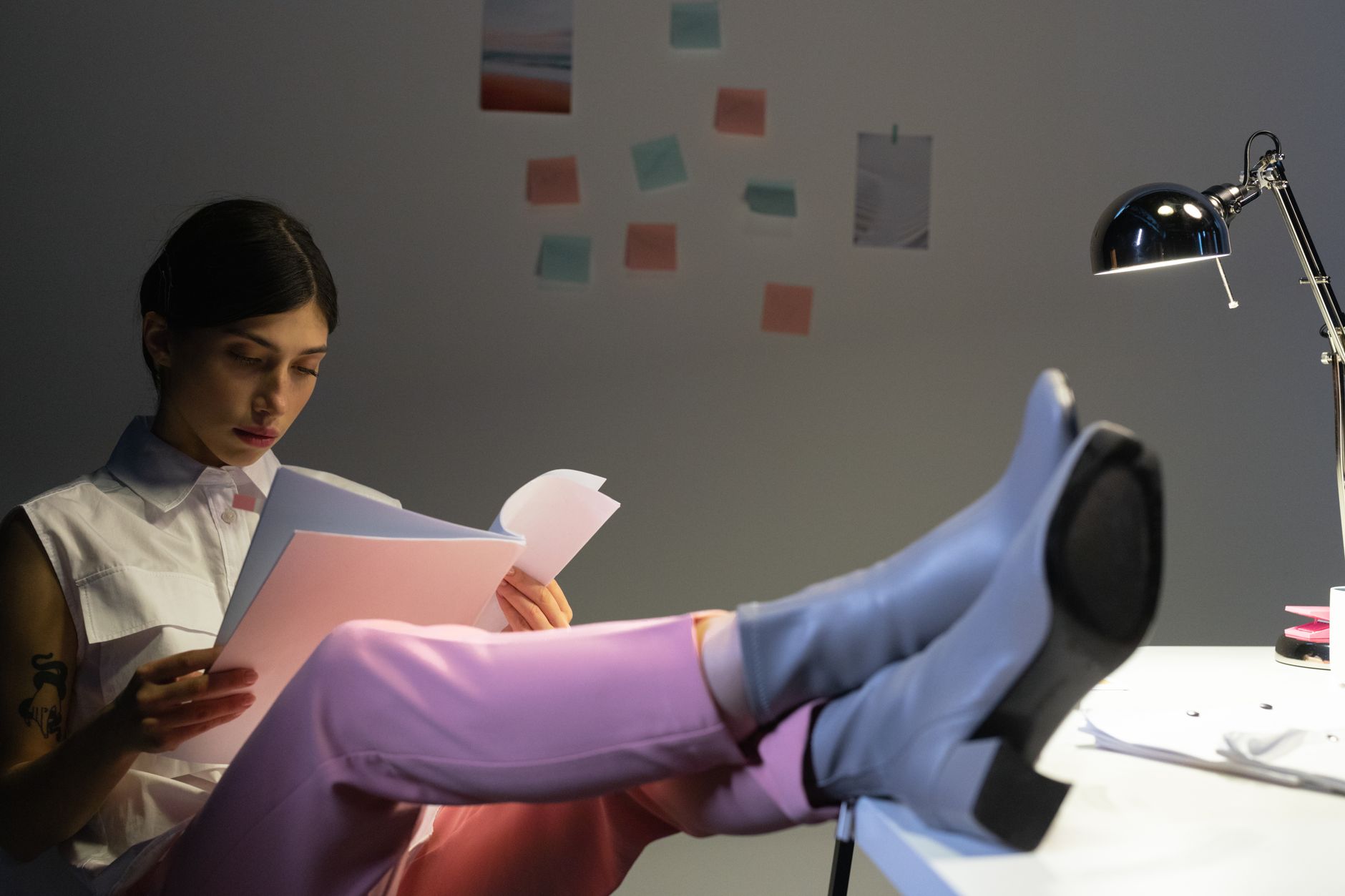
If your feet are aching by the time you clock out, you are not alone. Many people in Nairobi spend eight or more hours on their feet, whether at an office in Westlands, a shop floor in Industrial Area, or a school in Roysambu, and the wrong shoes turn that grind into genuine pain. The good news is that most work-related foot pain has clear, fixable causes, and understanding them helps you make smarter choices from your next pair of shoes onward.
Why Your Shoes Start Hurting Midday
Your feet are not the same size at 8 a.m. as they are at 2 p.m. As you stand, walk, and move through your workday, blood and fluid accumulate in your lower limbs, causing your feet to swell noticeably. This is completely normal physiology, but it means a shoe that fit perfectly at the shoe shop in the morning can feel like a clamp by afternoon. The squeeze triggers a chain reaction: your toes jam against the front of the shoe, your heel lifts slightly, and your stride becomes unnatural. That unnatural stride makes every muscle from your arch to your lower back work harder than it should.
Poor arch support is another major culprit that people overlook. When your shoe lacks a proper arch, your foot flattens with every step, forcing the surrounding muscles and tendons to compensate. Over a long shift, those muscles simply fatigue, and fatigue reads as pain. A shoe that felt cushioned in the store can feel like a flat slab of cardboard by lunchtime if it has no meaningful structure underneath.
Pressure points develop where the shoe material consistently rubs or presses against the same spot. Common locations are the back of the heel, the little-toe knuckle, and the top of the foot where the tongue sits. Even a few millimetres of repeated friction adds up to blisters, soreness, and sometimes lasting discomfort. Identifying exactly where your shoe hurts is the first step toward fixing it.
Check Your Shoe Size and Fit First
The single most effective habit you can build is measuring your feet in the afternoon, not first thing in the morning. By mid-afternoon your feet have swollen to something close to their maximum daily size, so any shoe that fits comfortably at that point will rarely feel too tight. Many people walk around in shoes that are half a size too small simply because they were measured at 9 a.m. on a shopping trip. Getting this timing right costs you nothing and solves a surprising amount of pain.
Beyond length, always check that there is roughly half an inch of space between your longest toe and the end of the shoe. That gap is not wasted room; it is the space your foot needs when it swells and when you push off during a stride. Shoes that look like they fit when you are standing still will feel constricting when you are walking quickly or climbing stairs. A thumb's width is a practical way to check this without a ruler.
Width is equally important and far too often ignored. A shoe can be the correct numbered length while still being far too narrow, pinching the sides of your foot and compressing the toe box. Look for shoes with adjustable lacing or strap systems so you can fine-tune the fit as the day progresses. Brands that offer multiple width fittings give you a much better chance of finding a shoe that works with your foot shape rather than against it.
Invest in Insoles and Arch Support
Cushioned insoles are one of the cheapest and most immediate upgrades you can make to an existing pair of shoes. They add a layer of padding directly under the ball of your foot and heel, which are the two zones that absorb the most impact during a normal workday. Even a basic foam insole reduces the hard contact between your foot and the shoe's factory lining. For most people, the difference is noticeable within the first hour of wearing them.
Arch support insoles go further by preventing your foot from rolling inward with each step, a motion called overpronation that is behind a lot of heel and knee pain. If you notice that the inner edge of your shoe soles wear down faster than the outer edge, overpronation is likely happening. A structured insole corrects this by holding your arch in a neutral position throughout the stride. You do not need to see a specialist to benefit from this; a good over-the-counter arch support insole handles mild to moderate cases well.
Gel and memory foam insoles are worth the extra cost if you spend most of your day on hard floors like concrete or tile. They absorb and disperse the impact energy that would otherwise travel straight up through your joints. Many quality shoes already have decent factory insoles that can simply be swapped out for a better aftermarket option without any modification. Treating the insole as an upgradeable component means you can extend the comfort life of a shoe you already like.
Choose the Right Shoe Material and Design
The material your shoe is made from affects how it behaves as your foot changes shape through the day. Genuine leather and breathable mesh fabrics have a small amount of natural give, allowing your foot to expand slightly without hitting a hard wall of resistance. Synthetic materials that feel fine in the morning can feel stiff and unyielding by the time your feet are at their largest. Choosing a material with some flexibility built in is a passive way to manage daytime swelling.
Rigidity in the sole is equally important to think about. A shoe with zero flex forces your foot to work against the shoe with every step, accelerating fatigue in your arch and calf muscles. You want a sole that bends naturally at the ball of the foot, mimicking the way your foot actually moves. Hold any shoe you are considering and try to flex it by hand; if it barely moves, your foot will be doing all the bending work on its own.
Padded collars and tongues make a significant difference around the ankle and the top of the foot, where thin or rough material causes constant low-level rubbing. Brands like Adidas and Timberland design many of their work-suitable styles with these features built in, because they understand that comfort over eight hours is a different engineering challenge from comfort during a five-minute fitting. Checking the interior construction of a shoe before buying is just as important as judging the outside appearance.
Foot Care Habits That Make a Real Difference
Shoes alone cannot solve foot pain if your muscles and skin are not being looked after. Spending two or three minutes stretching your calves and the soles of your feet before leaving the house prepares the tissues for the load they are about to handle. A calf stretch against a wall and a simple toe curl on the floor are enough to reduce morning stiffness. Done consistently, these small habits reduce the cumulative strain that builds into chronic pain over weeks and months.
After a long day, soaking your feet in cool water for about ten minutes helps bring down inflammation and swelling faster than simply sitting down. Cool water constricts blood vessels mildly and gives your tissues a recovery signal. This is especially useful if you spend your day on concrete floors or if you commute on foot through Nairobi's busy streets before and after work. It takes almost no effort and makes the next morning noticeably more comfortable.
Rotating between two pairs of work shoes is one of the most practical habits you can adopt. Every shoe needs time to dry out internally and return to its original shape after a full day of compression and moisture from sweat. Using the same pair every single day accelerates the breakdown of cushioning and structure, so the shoe loses its support far faster than it should. Keeping toenails trimmed short is worth mentioning alongside this, because nails that press against the toe box are a surprisingly common and easily avoidable source of pain.
Shop Smart: What to Look for at Jojo Shoes
When you are browsing for your next pair, start with brands that have invested in comfort technology rather than just aesthetics. Nike, Adidas, and Timberland all produce styles that work well for long days on your feet, with cushioning systems and sole constructions designed for sustained wear. Choosing a recognised brand does not mean sacrificing style; it means the shoe has been engineered to a standard that a generic alternative may not meet. At Jojo Shoes you can find options from all three brands delivered directly to your door anywhere in Kenya.
Look specifically for shoes with removable insoles, because this single feature opens the door to all the insole upgrades discussed earlier. A shoe with a fixed, glued-in insole cannot be improved easily, whereas one with a removable liner lets you customise the cushioning to suit your exact foot type. Product descriptions usually mention this detail, so it is worth reading carefully before adding a pair to your cart.
Pay attention to fastening systems when you are choosing between styles. Shoes with proper lacing allow you to loosen the fit midday when swelling peaks, which is something slip-on styles handle naturally as well. Adjustable straps on sandals or hybrid styles offer the same benefit. You can browse styles with these features across our men's, women's, and children's collections and have your order delivered countrywide, so getting the right pair does not require a trip across the city.
Foot pain after work is common, but it is rarely unavoidable. The combination of a well-fitted shoe in the right material, a decent insole, and a few minutes of daily foot care is usually enough to get through even the longest shift comfortably. Start with the fit, invest in the insole, and choose brands built for real wear, and your feet will thank you before the week is out.
See everything Jojo Shoes can do for you.
Visit Jojo Shoes →