Why Your Shoes Hurt and How to Fix It
Common reasons your new shoes cause pain and practical solutions to make them comfortable without returning them.
See everything Jojo Shoes can do for you.
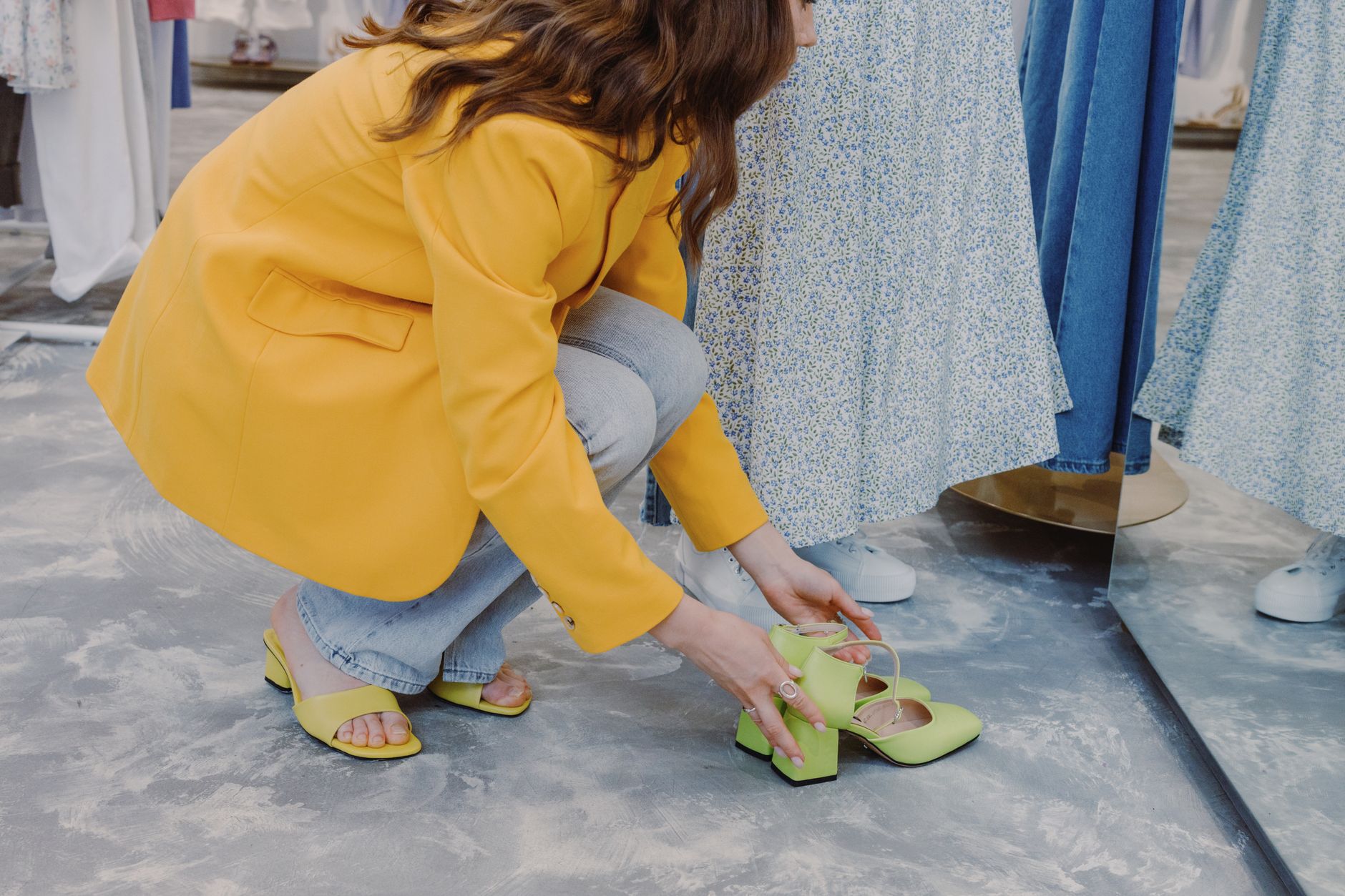
Shoe pain is one of those problems people tolerate far longer than they should. Most people assume it is normal, that the shoes just need time, or that the discomfort will eventually go away on its own. Sometimes that is true, but often there is a specific and fixable reason your feet are hurting. Understanding what is actually going on can save you weeks of blisters, soreness, and regret.
The Most Common Reasons Shoes Hurt
The most straightforward culprit is wearing the wrong size or width. When a shoe forces your foot into a shape it was not designed to hold, the pressure builds up quickly in ways that feel minor at first but worsen throughout the day. A shoe that is half a size too short will push your toes into the front edge, and a shoe too narrow will compress the widest part of your foot. Even a well-made shoe from a respected brand cannot overcome a fundamental size mismatch. Getting that measurement right is the first thing worth checking.
Stiff materials are another very common cause, particularly with new shoes made from leather, thick synthetic uppers, or dense rubber. These materials have not yet conformed to the specific contours of your foot, so they press against areas like your heel, ankle, or instep. Some stiffness is expected and will ease over time with regular wear. But there is a difference between a shoe that needs breaking in and one that was never going to work for your foot. Paying attention to where the stiffness is pressing will help you decide which situation you are in.
Inadequate arch support is something many people overlook because the pain it causes does not always appear directly under the arch. Poor arch support can show up as heel pain, ball-of-foot soreness, or even knee and lower-back discomfort after long periods of standing or walking. Flat feet, high arches, and neutral arches all need different levels and types of support. Most standard shoes are built for a neutral arch and do not account for the extremes. If you notice fatigue or pain spreading beyond the shoe itself, arch support is worth examining.
Heel slippage happens when the heel cup of the shoe is too large for the back of your foot. Every time you take a step, your foot lifts slightly inside the shoe and the friction creates blisters on the back of your heel. Many people mistake this for a shoe that is too tight, when in fact it is the opposite. A loose heel means the shoe is too big overall or simply cut in a way that does not match the width of your heel. This is a fit problem, not a break-in problem.
Pressure points caused by internal seams or a rigid toe box are a less obvious but very real source of pain. A poorly placed seam can dig into the side of a toe or the top of the foot with every step. Toe boxes that do not give enough vertical room force the toes to curl slightly, which leads to soreness across the knuckles. This kind of pain tends to be localised and sharp rather than a general ache. Running your hand inside a shoe before you buy it can reveal obvious seams or ridges worth avoiding.
Quick Fixes You Can Try Today
One of the gentlest and most effective ways to soften a new shoe is to wear it indoors for short sessions rather than going straight into a full day of use. Start with thirty minutes around the house, then gradually increase to a couple of hours over several days. The material heats slightly from your body warmth and begins to flex along your natural movement patterns. This approach works especially well with canvas and soft leather uppers. It is a small investment of time that often prevents the worst of the early blisters.
Wearing thick socks or two pairs of socks is a practical trick for shoes that feel slightly too loose or are rubbing in specific areas. The extra fabric fills in the gap, reduces movement inside the shoe, and creates a softer barrier between your skin and the material. This is particularly useful during the break-in phase before the shoe has fully conformed to your foot shape. It is not a permanent solution, but it gets you through the early days comfortably. Once the shoe has molded, you can return to your regular socks.
For shoes that are tight across the toe box or instep, a shoe stretcher or even stuffing the shoe tightly with newspaper overnight can help. These methods apply gentle and consistent outward pressure that gradually expands the material without damaging it. A shoe stretcher with adjustable knobs lets you target specific spots, like a bunion area or a tight side seam. Newspaper works more slowly but is a fair option when you do not have a stretcher on hand. Repeat the process over two or three nights for stubborn spots.
Gel insoles and targeted padding can make a meaningful difference in shoes that cause localised pressure. Gel heel cups cushion impact and reduce friction at the back of the foot. Metatarsal pads shift pressure away from the ball of the foot, which is especially useful in heels or flat shoes. Foam toe spacers can help when toes are crowded together. These additions are inexpensive and available at most pharmacies, and they can transform a shoe that is almost right into one that is actually comfortable.
The most underrated piece of advice is simply to wear new shoes around the house for a few days before taking them out into the world. A full day of walking, especially on hard surfaces or in humid conditions, is a harsh test for a shoe and your foot. Easing into it at home lets you identify pressure points, adjust your lacing, and decide whether the shoe is worth continuing with. If after a few indoor sessions you are still wincing, that is useful information to have before you have walked too far from home.
When to Use Professional Solutions
Persistent heel blisters that reopen with every wear need more than just thicker socks. Blister pads made from hydrocolloid material protect the wound while it heals and also cushion the area against further friction. Moleskin, cut into a donut shape around the blister, takes direct pressure off the damaged skin. These solutions are available at pharmacies and are worth keeping in your shoe care kit. They address the symptom well, but you will still need to determine whether the underlying fit problem can be fixed.
If you are experiencing pain near a bunion or across the toes, toe box inserts and bunion pads can reduce the pressure that the shoe structure creates. These are shaped pieces of gel or foam that sit inside the toe area and push the upper material slightly outward, giving your toes more room. They do not replace a properly fitting shoe, but they can make a difficult shoe tolerable in the short term. Some shoe brands design specific lasts for wider toe boxes, and switching to those styles is often the longer-term solution.
Arch pain that does not respond to rest or general insoles is worth addressing with a better quality aftermarket insole. Brands like Superfeet or Sidas produce insoles in different arch heights that replace the flat factory footbed most shoes come with. For more significant problems, a podiatrist can prescribe custom orthotics that are made specifically for your foot shape. These are more expensive but they work across multiple pairs of shoes and address the root cause rather than masking it. Persistent arch pain that spreads into the heel may also indicate plantar fasciitis, which needs proper assessment.
A cobbler is an underused resource for shoe fit problems that fall between a sizing issue and a full replacement. A skilled cobbler can stretch the heel counter of a leather shoe, add padding to the tongue to reduce slippage, or widen specific areas of the upper without affecting the overall structure. This works best on genuine leather shoes where the material responds well to stretching and manipulation. Professional shoe stretching services use machines and stretching sprays that produce better and more even results than anything you can replicate at home. If you have a quality pair worth keeping, a cobbler visit is usually money well spent.
Know When It's a Sizing Problem
Pain that appears in the first hour or two of wearing a new shoe does not always mean the size is wrong. Many shoes, particularly those with stiffer constructions like Timberland boots or dense running shoes, need several sessions before the material relaxes. This early discomfort is usually localised to the heel or the widest part of the foot and eases as the material warms up. If the pain appears, peaks, and then softens within a session, you are likely in the break-in phase. Staying consistent with short indoor sessions will help you move through it.
Ongoing pain after a full week of regular wear is a signal worth taking seriously. By that point, the shoe has had enough exposure to your foot that any major improvements from breaking in would already be showing. If the same spots still hurt with the same intensity, the shoe is probably the wrong size or the wrong shape for your foot. Switching to a half size up or trying a different width can resolve this quickly. It is worth acting on this information rather than waiting for a change that is unlikely to come.
Pinching across the widest part of your foot is a classic sign of a width mismatch rather than a length problem. The widest part of the foot, the metatarsal heads just behind the toes, should sit comfortably within the shoe's widest point without any lateral squeezing. If you feel compression there, sizing up in length will not help because the shoe's width at that point is determined by the last it was built on, not just the overall size number. Some brands offer wide-fit versions of popular styles, and checking for a width rating before you buy is one of the most useful things you can do.
Numbness, tingling, or a shooting pain that travels up the foot or into the toes is a serious fit signal that should not be ignored. These sensations usually indicate that the shoe is compressing a nerve or cutting off circulation in a way that no amount of break-in will resolve. This type of pain needs immediate attention, either by switching shoes or by seeking advice from a healthcare professional. Children are particularly vulnerable because they often do not articulate foot pain clearly, so if a child is reluctant to walk or keeps removing shoes, a fit check is the first step.
Prevent Shoe Pain Before You Buy
Shoe sizing is not standardised across brands, which means your size in one brand may not match another. A size 42 in Adidas fits differently from a size 42 in New Balance or Converse, sometimes by as much as half a size in either direction. Knowing this before you buy and checking size charts specific to each brand reduces the chance of ordering something that does not fit. Many online retailers, including those stocking Nike, Adidas, and Air Jordan, publish brand-specific size guides. Taking a few minutes to measure your foot length in centimetres and match it to those charts is far more reliable than going by memory from your last purchase.
Width ratings are a feature that most casual shoe buyers do not notice but that make a significant difference for anyone with narrow or wide feet. Shoes are typically rated in standard width, but many brands offer narrow (B for women, D for men) and wide (2E or 4E for men) versions of popular styles. If you consistently find that shoes squeeze the sides of your feet or that your foot slides around inside, a width issue is likely the reason. Checking this before you order means fewer returns and less frustration once the shoes arrive.
Reading customer reviews with a focus on fit and comfort comments rather than style tells you what you actually need to know. Reviewers who mention that the shoe runs small, that it is narrow across the toes, or that the heel slips are giving you specific and usable information. This kind of feedback is especially valuable for brands or models you have not worn before. Style reviews tell you how the shoe looks on someone else. Fit reviews tell you how the shoe might feel on your feet.
Different brands suit different foot shapes, and this is something worth learning about your own feet once so you can apply it every time you shop. Nike tends to have a slightly wider toe box that suits broader feet well. Adidas shoes, particularly the running lines, often run narrower and work better for slim or tapered foot shapes. New Balance is well regarded for offering multiple width options across many of its styles. Converse runs large and narrow, which surprises many first-time buyers. Knowing which brand construction tends to work for you saves time and eliminates a lot of trial and error.
Buying from retailers with a clear and easy return or exchange policy removes the risk that usually comes with online shoe shopping. A no-penalty exchange means you can order, try the shoe on at home with the socks you would actually wear, walk around for a short session, and return it if the fit is not right. This is how shoe shopping should work, and it is something worth confirming before you complete a purchase. A retailer that makes returns difficult is essentially asking you to gamble on fit, which rarely ends in your favour.
When to Accept It and Get a Different Shoe
Two weeks of regular wearing is a reasonable timeframe to decide whether a shoe is going to work for you. By that point, most soft materials have done the majority of their break-in, and the shoe's fit relative to your foot is fairly well established. If pain or discomfort is still present after two weeks, the shoe is probably not compatible with your foot shape regardless of brand or price. Continuing to wear it in hopes that something will change is more likely to cause injury than a good outcome. Accepting that a shoe is not right for you is not a failure; it is just practical.
Structural pain in the heel, arch, or ball of the foot is a category of discomfort that almost never improves through breaking in alone. These areas are affected by how the shoe's sole, midsole, and insole are constructed, not just by whether the upper has softened. A flat midsole that offers no cushioning will still be flat after six weeks of wear. A heel counter that sits in the wrong position will continue to aggravate the same spot. Pain in these areas is a signal to look at a shoe that is built differently, not to persist with the current one.
Some brands simply do not match the geometry of certain foot shapes, and this holds true regardless of what size you buy. If you have tried multiple sizes from a specific brand and the fit is consistently uncomfortable in the same way, the issue is the brand's last rather than your choice of size. Moving to a brand that uses a different last construction will often resolve what felt like an unsolvable problem. This is not about brand quality but about the specific mould each brand designs its shoes around.
Children's shoes that cause pain should be replaced without hesitation. Children's feet grow quickly and their bones are still forming, which means that pressure from an ill-fitting shoe can cause real and lasting harm. A child complaining of foot pain, walking in an unusual way, or refusing to wear shoes is telling you something important. Shoes that are even slightly too small in the toe box are particularly problematic because they restrict the natural spread of the toes during development. Checking the fit every two to three months is a good habit for growing feet.
A well-made shoe from a reputable brand should feel comfortable, or at least clearly moving toward comfortable, within the first week of wearing. The expectation that shoes need months to become wearable is outdated and mostly applies to very stiff leather dress shoes. Modern athletic and casual shoes from brands like Nike, Adidas, or Air Jordan are designed to be comfortable almost immediately. If a shoe is still causing significant pain after a week, you are not failing at breaking it in; the shoe is simply not right for your foot.
Shoe pain is common but it is rarely something you just have to live with. Most of the time there is a specific reason it is happening and a clear path to fixing it, whether that means trying a quick home remedy, visiting a cobbler, or simply finding a better-fitting shoe. The goal is to find footwear that works with the shape of your foot, not against it, so every step feels the way it should.
See everything Jojo Shoes can do for you.
Visit Jojo Shoes →